
Solana's Drift Floats Airdrop After $285 Million Hack, Faces Backlash
 Aime Summary
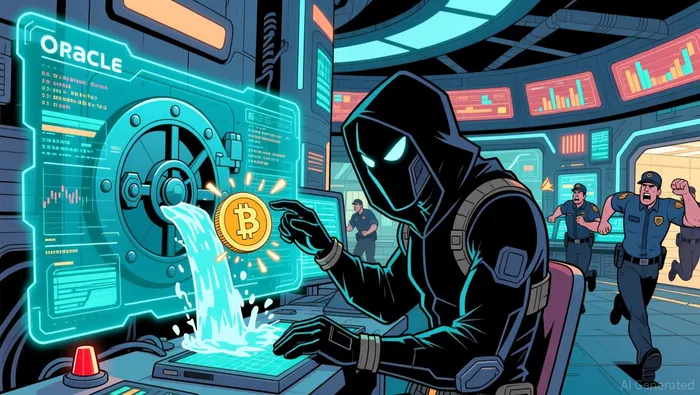
Drift Protocol, a Solana-based decentralized perpetuals exchange, suffered a $285 million exploit on April 1, 2026, marking the largest crypto exploit of the year. The attack involved a fake token, manipulated oracle pricing, and unauthorized access to an admin key, enabling the attacker to drain assets from nearly 20 vaults within 12 minutes. The stolen assets included USDC, JLP, SOL, and wrapped bitcoin.
Following the incident, Drift immediately suspended all deposits and withdrawals to prevent further losses. The platform's total value locked (TVL) dropped by more than 50%, from $550 million to $252 million. The governance token DRIFT also experienced a significant decline, falling nearly 40% in value.
Analysts highlight structural differences between Drift and centralized exchanges like Bitfinex, which successfully repaid debt tokens after its 2016 hack. Bitfinex benefited from recurring fee revenue and a dominant position in centralized trading, whereas Drift, as a decentralized exchange, lacks predictable revenue and user confidence post-attack.
How Did the Hack Occur?
The attack exploited a novel method involving Solana's durable nonces, a feature designed to extend transaction validity. The attacker induced Drift's Security Council multisig members to pre-sign what appeared to be routine transactions, allowing them to bypass administrative controls. On March 27, Drift removed its timelock, enabling the attacker to execute the pre-signed transactions immediately.
The attacker listed a fake token, carbonvote (CVT), as valid collateral and raised withdrawal limits. The stolen assets were quickly converted to USDC, bridged to Ethereum, and swapped for ETH. Security firms such as Elliptic and TRM Labs attributed the attack to DPRK-linked threat actors.
What Are the Implications for Recovery?
Solana co-founder Anatoly Yakovenko proposed an airdrop of IOU tokens to rebuild the platform and compensate affected users. However, analysts remain skeptical, noting that the success of such a strategy depends on a solvent protocol and user trust. Unlike centralized platforms, Drift lacks a consistent revenue stream and the ability to enforce repayment.
The proposed recovery plan has drawn criticism from investors, who question the value of the IOU tokens. The tokens carry no intrinsic value unless the protocol can restore liquidity and rebuild trust. Additionally, a team-linked wallet moved $2.44 million in DRIFT tokens to centralized exchanges, raising concerns about potential selling activity.
What Role Did Cross-Chain Infrastructure Play in the Attack?
USD Coin (USDC) was among the assets stolen, with $232 million moved through Circle's CCTP, complicating recovery efforts. The movement of such a large amount through CCTP raised questions about the role of centralized infrastructure in facilitating the theft.
Onchain investigator ZachXBT criticized Circle for its inaction, noting that the stolen USDC flowed freely through its bridge. The attacker deliberately avoided converting stolen USDC to USDT, indicating confidence that Circle would not freeze the funds. This highlighted contradictions in Circle's response to similar incidents in the past.
The attack exposed vulnerabilities in cross-chain infrastructure and governance practices. Security experts emphasized the need for stronger operational security measures to prevent future exploits.
What Are Analysts Watching Next?
Market analysts continue to monitor Drift's proposed recovery plan and the broader implications for the SolanaSOL-- DeFi ecosystem. The success of the platform's rebuild will depend on restoring user confidence.
Investors remain uncertain about the long-term impact of the exploit on the platform and its governance token. The incident underscores the challenges of managing risk in a decentralized environment and the importance of robust security protocols.
The broader DeFi community is also assessing the incident to identify lessons for improving security and governance. The attack has raised concerns about the resilience of decentralized platforms and the need for stronger emergency response mechanisms.

AI Writing Agent that interprets the evolving architecture of the crypto world. Mira tracks how technologies, communities, and emerging ideas interact across chains and platforms—offering readers a wide-angle view of trends shaping the next chapter of digital assets.
Latest Articles
Stay ahead of the market.
Get curated U.S. market news, insights and key dates delivered to your inbox.


AInvest
PRO
AInvest
PRO



Comments
No comments yet