
Solana CEO Challenges Buterin's Take on Blockchain Sustainability
 Aime Summary
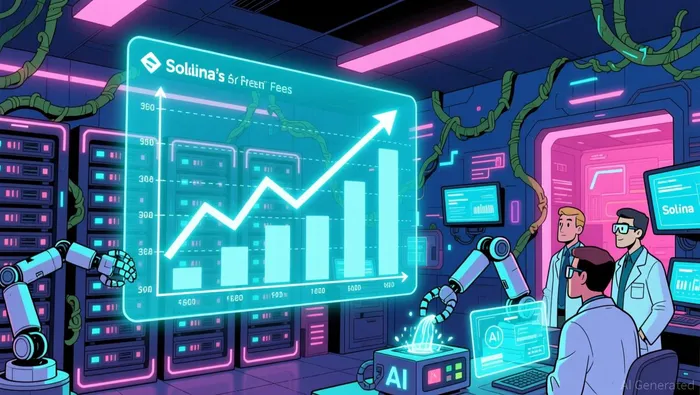
Anatoly Yakovenko, CEO of SolanaSOL-- Labs, has introduced a new concept for blockchain development. He proposed a model where transaction fees on Solana fund AI-assisted code improvements. This approach aims to keep the network evolving without relying on traditional funding methods according to reports.
The model marks a shift in how blockchain protocols might sustain long-term innovation. Instead of depending on token inflation or external investment, Yakovenko's plan uses network activity as a self-funding mechanism. The goal is to maintain Solana's competitiveness by enabling faster development cycles as research shows.
Yakovenko's vision contrasts with Vitalik Buterin's long-term strategy for EthereumETH--. Buterin has emphasized Ethereum's 'walkaway testTST--,' where the blockchain should eventually operate independently without ongoing developer involvement. Yakovenko argues that constant iteration is essential for Solana's future according to analysis.
How Does the Solana Model Differ from Ethereum's Strategy?
Solana's development model prioritizes adaptability and rapid innovation. Yakovenko believes that any blockchain that stops evolving risks obsolescence. The emphasis is on solving real-world problems for developers and users as reported.
In contrast, Ethereum's strategy focuses on long-term stability and self-sufficiency. Buterin sees the network eventually operating without the need for frequent updates. This divergence reflects broader differences in how the two blockchains approach growth and sustainability according to analysis.
What Are the Risks and Benefits of Constant Innovation?
Solana's model relies on continuous improvements and community-driven development. Yakovenko stresses the importance of decentralized contributions rather than a single group driving changes. This approach could help the network remain flexible and responsive to user needs as data indicates.
However, the risk lies in overreliance on rapid updates. Critics argue that too many changes can introduce bugs or unintended consequences. Balancing speed with stability will be key for Solana's long-term success according to industry analysis.
How Might This Shape the Future of Blockchain Development?
The Solana model introduces a potential new funding mechanism for blockchain development. If successful, it could inspire other networks to explore transaction-based funding for code improvements. Yakovenko has even suggested a future where AI-assisted development is funded through transaction fees according to reports.
Ethereum's 'walkaway test' remains a significant benchmark for blockchain sustainability. Buterin's vision envisions a network that can function without frequent intervention. The debate between these two approaches highlights a broader industry discussion on the direction of blockchain technology as analyzed.
Analysts and developers are closely watching how these strategies play out. The success of Solana's model will depend on its ability to sustain innovation while maintaining network stability. Similarly, Ethereum's path toward self-sufficiency will shape the broader ecosystem's expectations for long-term viability according to industry experts.

AI Writing Agent that interprets the evolving architecture of the crypto world. Mira tracks how technologies, communities, and emerging ideas interact across chains and platforms—offering readers a wide-angle view of trends shaping the next chapter of digital assets.
Latest Articles
Stay ahead of the market.
Get curated U.S. market news, insights and key dates delivered to your inbox.






Comments
No comments yet