
SOL's 50% Plunge: What Triggers and Lessons for Crypto Investors


 Aime Summary
Triggers of the Crash: A Perfect Storm
The collapse of SOLSOL-- was driven by three primary factors: network congestion, structural economic flaws, and institutional liquidity shifts.
- Network Congestion and Technical Failures
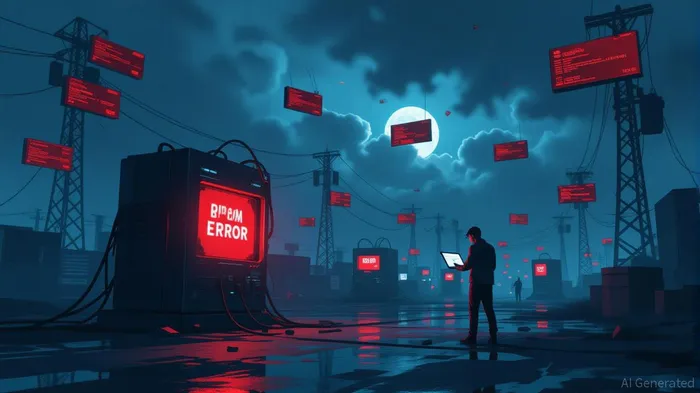
Solana's high-performance blockchain, once a differentiator, became a liability during periods of heavy usage. By November 2025, the network faced severe congestion, with average node ping times stretching to 20–40 seconds and up to 80% of transactions failing under load according to analysis. This technical breakdown eroded user confidence and highlighted the limitations of a high-throughput model when demand outpaces infrastructure resilience.
Structural Economic Pressures
Solana's 7.5% annual inflation rate and continuous token unlocks exacerbated downward price pressure, particularly during weak demand periods according to market data. These dynamics were compounded by a 63% drop in active addresses, signaling a retreat from memecoin-driven growth and broader disengagement from the ecosystem as reported. The combination of inflationary supply and declining utility created a self-reinforcing bearish cycle.Institutional Liquidity Shifts
U.S.-listed Solana ETFs recorded their first major net outflows, reflecting reduced institutional support and triggering further downward momentum. This shift was part of a broader deleveraging in crypto markets, driven by a hawkish Federal Reserve and reduced expectations of rate cuts. Over $1 billion in liquidations occurred during the selloff, disproportionately impacting leveraged positions in altcoins like SOL.
Regulatory and Macroeconomic Context
The crash was also shaped by regulatory ambiguity and macroeconomic headwinds. The Federal Reserve's policy uncertainty-including dissenting votes on rate cuts-created a volatile environment for risk assets as detailed in market reports. While a mid-2025 rate cut briefly boosted Solana by 3.01%, the subsequent tightening of monetary policy led to a 6.1% price drop by November according to financial analysis.
Institutional adoption, however, provided a counterpoint. The selection of SOL Strategies as a staking provider for the VanEck Solana ETF underscored confidence in Solana's infrastructure according to industry reports. Yet, this institutional backing could not offset the broader market's flight to safety as investors recalibrated exposure amid rising geopolitical and regulatory uncertainties as observed in market data.
Lessons for Altcoin Investors: Risk Mitigation in a Volatile Market
The November 2025 crash offers critical lessons for altcoin investors, particularly in managing exposure to high-risk assets.
Avoid Emotional Decision-Making
Analysts emphasized the importance of resisting panic selling during sharp downturns. A 24-hour rule-delaying decisions to allow emotions to subside was recommended to prevent locking in losses. The crash demonstrated that short-term volatility often precedes recovery, especially when fundamentals remain intact.Differentiate Between Crash Types
Investors were advised to assess whether a downturn was a flash crash, prolonged bear market, or black swan event. For flash crashes, patience and avoiding panic selling were key. In prolonged bear markets, culling high-risk altcoins and reassessing long-term holdings became necessary.Prioritize Security and Self-Custody
The crash highlighted the risks of leveraged positions and the need for robust security measures. Activating two-factor authentication (2FA) and auditing accounts for unusual activity were critical steps to protect assets during volatile periods.Rebalance Toward Fundamentally Strong Projects
The collapse of layer-1 blockchains like Monad-warned by crypto veteran Arthur Hayes to potentially crash 99%-underscored the dangers of speculative tokens with low float and high fully diluted valuations according to industry analysis. Investors were urged to focus on projects with real-world use cases and sustainable economic models.
Long-Term Viability and the Path Forward
While the November 2025 crash was severe, analysts like Wenny Cai and Altcoin Vector noted it mirrored prior bear-market liquidity resets. A recovery in early 2026 is possible if macroeconomic pressures ease and institutional adoption continues. However, Solana's long-term viability hinges on addressing structural issues: reducing inflationary pressure, improving network scalability, and aligning tokenomics with sustainable growth.
For investors, the key takeaway is clear: diversification, disciplined risk management, and a focus on fundamentals are essential in navigating the crypto market's inherent volatility. The Solana crash serves as a cautionary tale, but also a roadmap for building resilience in an asset class still in its formative stages.

Combina la sabiduría tradicional en el comercio con las perspectivas de vanguardia en el campo de las criptomonedas.
Latest Articles
Stay ahead of the market.
Get curated U.S. market news, insights and key dates delivered to your inbox.


AInvest
PRO
AInvest
PRO



Comments
No comments yet