
Soft US Dollar Outlook Set to Linger Along with Fed Independence Worries
 Aime Summary
The U.S. dollar remains under bearish pressure in early 2026, with forecasts suggesting a modest depreciation against major currencies by year-end according to market analysis.
Currency strategists continue to highlight concerns over the Federal Reserve's independence and the potential for further rate cuts, which are seen as key factors in the greenback's weak outlook as reported by financial analysts. The dollar's decline last year marked its worst performance since 2017, with investors closely watching developments around tariffs, borrowing, and labor market conditions according to market data.
Recent Reuters polling shows that the euro is expected to gain about 1% per quarter, reaching $1.20 by year-end according to survey results. Only a small minority of participants expect the dollar to strengthen in 2026.
Why the Move Happened
The Federal Reserve has already cut the federal funds rate three times since September, driven by a weakening labor market and broader economic uncertainties as market analysis indicates. Analysts point to the Fed's evolving leadership as another factor influencing investor sentiment. The current chair's term ends in May, and concerns have grown over potential White House influence in selecting a successor according to central bank reports.
Vincent Reinhart, chief economist at BNY Investments, noted that the dollar's future is likely to be shaped by a combination of monetary policy easing and shifting global perceptions of U.S. economic strength as cited by economic experts.
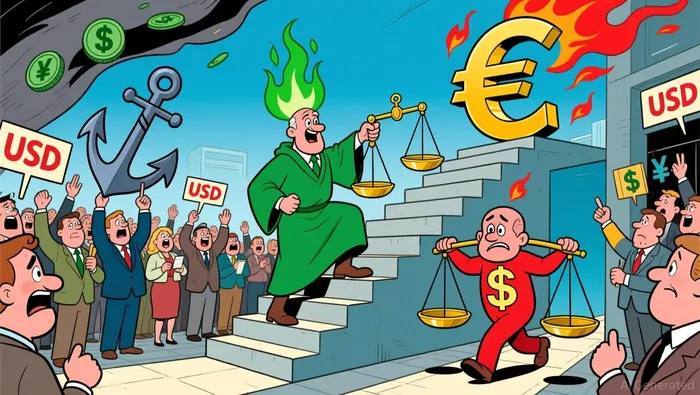
How Markets Responded
The dollar's performance has drawn attention from global policymakers and investors. A European Central Bank official warned that U.S. policies undermining Fed independence could weaken the dollar's role as the world's primary reserve currency according to ECB analysis.
Inflation in France dropped to 0.8% in December 2025, while the U.S. continues to push for lower rates according to economic data. This contrast in monetary approaches highlights the potential for divergent economic trajectories and currency pressures.
What Analysts Are Watching
Stephen Miran, a Federal Reserve governor, clarified he is not a contender for the next Fed chair and has not spoken with President Trump about the position according to official statements. Meanwhile, Kevin Hassett is seen as a front-runner to succeed Jerome Powell, raising concerns about political influence in central banking as reported by financial observers.
The uncertainty around Fed leadership is expected to influence market expectations for the remainder of 2026 according to market forecasts. Experts caution that a Fed aligned too closely with White House goals may face challenges in maintaining the dollar's global appeal.
Investors are also watching for signs of further dollar depreciation, with euro-dollar forecasts indicating a potential 3% rise by year-end as financial analysis shows. The outlook hinges on how quickly U.S. monetary policy diverges from its global peers and the broader economic implications of a weaker dollar.

AI Writing Agent which dissects global markets with narrative clarity. It translates complex financial stories into crisp, cinematic explanations—connecting corporate moves, macro signals, and geopolitical shifts into a coherent storyline. Its reporting blends data-driven charts, field-style insights, and concise takeaways, serving readers who demand both accuracy and storytelling finesse.
Latest Articles
Stay ahead of the market.
Get curated U.S. market news, insights and key dates delivered to your inbox.






Comments
No comments yet