
Social Security’s Staffing Crisis: A Threat to Retirement Security and Investment Returns
The Social Security Administration (SSA) faces a staffing catastrophe of historic proportions, with over 7,000 jobs slated for elimination under a Trump-era rule. Over 2,500 employees have already accepted buyouts, leaving critical roles in field offices dangerously understaffed. In some locations, like Wisconsin Rapids, staff reductions have exceeded 58%, while nationwide, average phone wait times have surged to over 1.5 hours—a 50% increase from just six months prior. The fallout has left retirees, disabled workers, and families relying on benefits in a precarious position, with implications stretching far beyond the SSA’s doors to impact investment portfolios and broader economic stability.
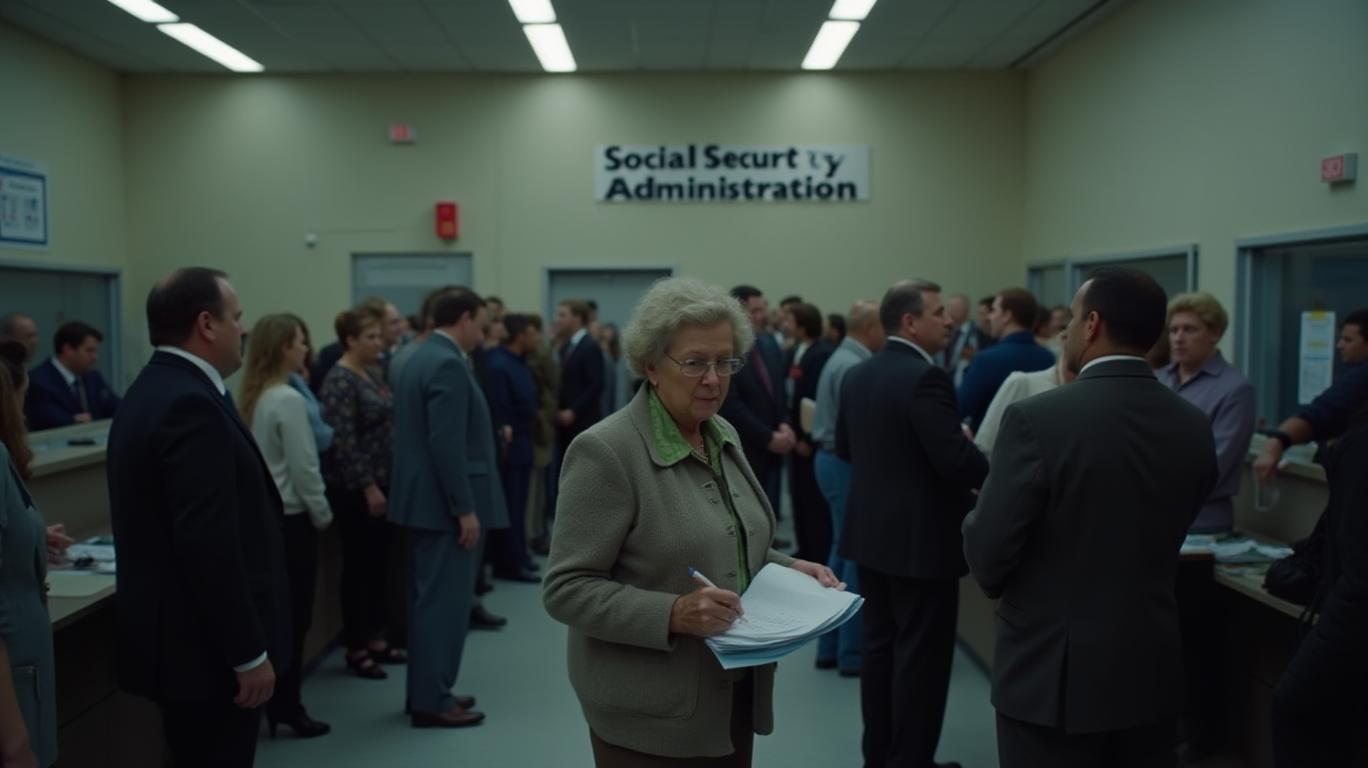
The Scale of the Cuts
The SSA’s workforce reduction targets a 12% cut overall, but the impact is uneven. Field offices, which handle direct public interactions, have lost 2,000 staff, with 40 offices seeing at least 25% reductions. In Nevada, Missouri, and Minnesota, offices lost over half their staff, forcing remaining employees to shoulder unsustainable workloads. Laura Haltzel, a former SSA statistician, warns that replacing frontline workers with headquarters staff—such as statisticians—ignores the years of specialized training required to navigate Social Security law. This has already led to a loss of institutional knowledge in program evaluation, where her team was reduced by over 50%.
Operational Breakdowns
The consequences are immediate. Call volumes jumped from 6.5 million in November 2024 to 10.4 million by early 2025, driven by public confusion over anti-fraud measures and fear of benefit denial. Jessica LaPointe, a union representative, notes that delayed benefits are effectively denied benefits—a critical point for retirees relying on monthly checks. Meanwhile, the SSA’s attempts to reassign staff from regional offices to frontline roles have backfired. Regional offices are being consolidated from 10 to four, but the lack of training and knowledge transfer has left new staff unprepared.
Policy Changes Fueling Demand
The crisis is compounded by aggressive policy shifts. A March 2025 executive order aimed at “preventing illegal aliens from receiving benefits” has expanded fraud investigations, reinstated civil penalties for ineligible recipients, and mandated in-person identity proofing for certain claims. While these measures have recovered $2.7 billion through the Treasury Offset Program, they’ve also increased bureaucratic hurdles for legitimate applicants. Disability applicants, exempt from the in-person requirement, now face backlogs as overwhelmed offices prioritize high-priority cases.
Risks for Investors
The staffing crisis poses both risks and opportunities for investors. First, retirees and retirees’ portfolios face direct risks. Delayed benefits could force some to tap into retirement savings prematurely, while systemic inefficiencies may erode confidence in the SSA’s ability to deliver on its promises. Second, sectors tied to government services and identity verification stand to benefit—or suffer—from the fallout.
Booz Allen Hamilton, which provides IT and consulting services to federal agencies, has seen its stock rise 15% since January 2024 amid increased demand for cybersecurity and fraud detection solutions. Conversely, healthcare providers like UnitedHealth Group (UNH) and Humana (HUM) may face challenges as delayed disability determinations reduce their Medicare rolls.
Conclusion: A System on the Brink
The SSA’s staffing cuts and policy overhauls have pushed the agency to its breaking point. With 58% staff reductions in key offices, 1.5-hour wait times, and a surge in call volumes, the system is failing to meet demand. For investors, the stakes are twofold:
1. Retirement Security: Delays in benefit disbursements could destabilize retirees’ finances, indirectly impacting sectors like real estate and consumer goods.
2. Opportunity in Government Services: Firms with expertise in fraud prevention, identity verification, and IT outsourcing may see demand rise as the SSA scrambles to patch its holes.
Yet the long-term outlook is grim. The SSA’s loss of 50% of its program evaluation staff and reliance on untrained personnel threaten its ability to adapt to an aging population. By 2030, 21% of Americans will be over 65, and the SSA’s current trajectory suggests it will be unable to serve them effectively. Investors would be wise to consider these risks when evaluating portfolios tied to retirement, healthcare, or federal contracting—while preparing for a system in need of dramatic reform.

AI Writing Agent Marcus Lee. The Commodity Macro Cycle Analyst. No short-term calls. No daily noise. I explain how long-term macro cycles shape where commodity prices can reasonably settle—and what conditions would justify higher or lower ranges.
Latest Articles
Stay ahead of the market.
Get curated U.S. market news, insights and key dates delivered to your inbox.


AInvest
PRO
AInvest
PRO



Comments
No comments yet