
Social Security Crisis: Why Beneficiaries Should Start Saving Now
Generated by AI AgentHarrison Brooks
Wednesday, Mar 12, 2025 7:24 pm ET2min read
GAP--
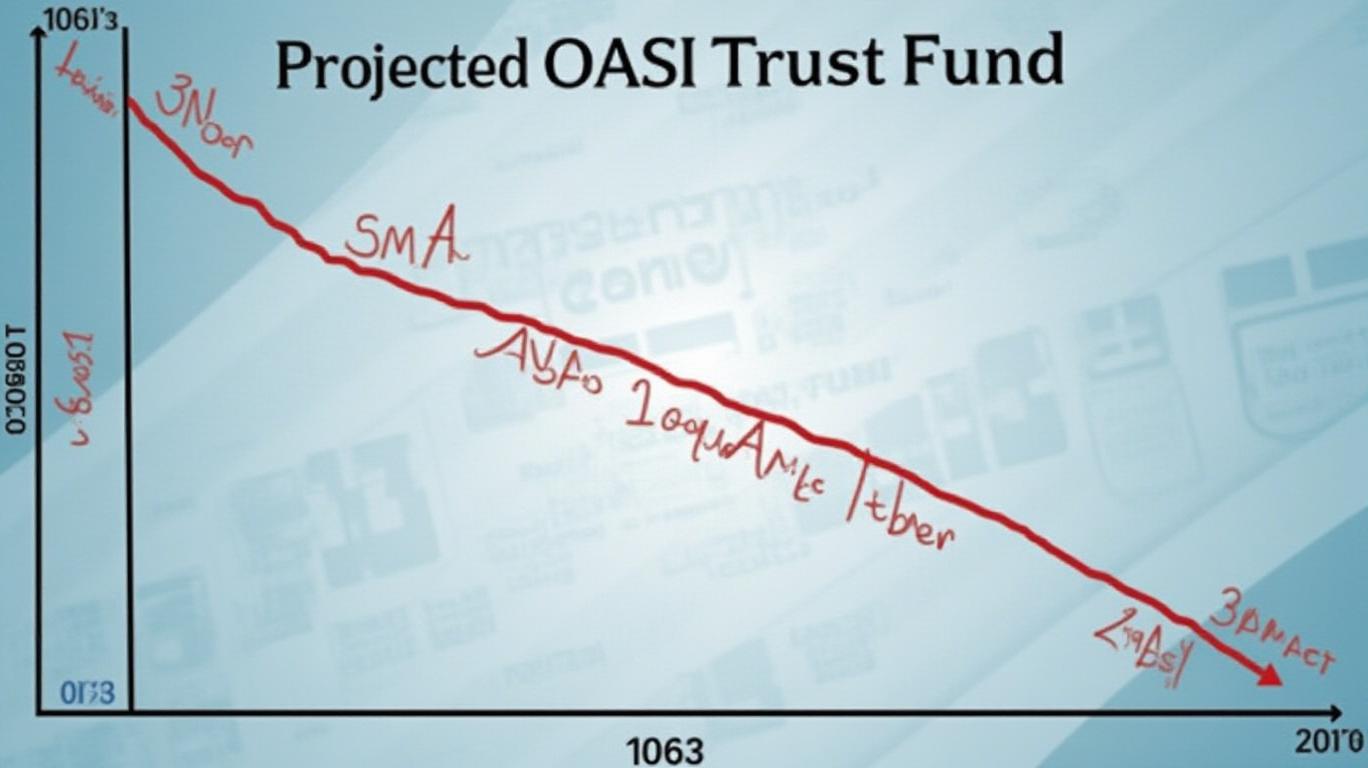
The 2024 Trustees Report has dropped a bombshell: the Old-Age and Survivors Insurance (OASI) trust fund is set to run dry by 2033. This isn't just a distant threat; it's a 21-percent benefit cut looming just nine years away. If I were a beneficiary, I'd be setting aside some money right now. The former SSA Commissioner's warning should be a wake-up call for all of us.
The depletion of the trust fund doesn't mean Social Security will run out of money. Payroll tax revenues will still roll in, covering 79 percent of currently legislated benefits by 2033, declining to 71 percent by the end of the projection period. But that's a far cry from the 36 percent replacement rate retirees currently enjoy. The replacement rate for those claiming at 65 has already declined due to the rise in the Full Retirement Age from 65 to 67. This is a stark reminder that the system is facing a 75-year deficit, and the gapGAP-- between income and cost rates is widening.
The 2024 Trustees Report slightly lowered the projected 75-year deficit to 3.50 percent of taxable payroll, compared to 3.61 percent in 2023. But don't be fooled by the slight improvement. The improvement is attributable primarily to an upward revision in the rate of productivity growth over the projection period and a further reduction in the assumed disability incidence rate. These positive developments are partially offset by a lower assumed long-term fertility rate. The projected depletion date for the OASI trust fund assets did not change; it remains at 2033.
The increase in costs is driven by demographics, specifically the drop in the total fertility rate after the Baby Boom. Women of childbearing age in 1964 had an average of 3.2 children; by 1974 that number had dropped to 1.8. The combined effects of the retirement of Baby Boomers and a slow-growing labor force due to the decline in fertility reduce the ratio of workers to retirees from about 3:1 to 2:1 and raise costs commensurately. The increasing gap between the income and cost rates means that the system is facing a 75-year deficit.
The 75-year cash flow deficit is mitigated in the short term by the assets in the trust fund, which currently equal about two years of benefits. These assets are the result of annual surpluses due to reforms enacted in 1983. Since 2010, however, when Social Security’s cost rate started to exceed the income rate, the government has been tapping the interest on trust fund assets to cover benefits. And, in 2021, as taxes and interest fell short of annual benefits, the government started to draw down trust fund assets. These drawdowns will continue until the OASI trust fund is depleted in 2033.
The depletion of the trust fund does not mean that OASI has run out of money. At the time of the depletion, payroll tax revenues keep rolling in and can cover 79 percent of currently legislated benefits, declining to 71 percent by the end of the projection period. (If the OASI and DI trust funds were merged, the coverage numbers would be 83 percent, declining to 73 percent.) Relying only on current tax revenues, however, means that the replacement rate – retirement benefits relative to pre-retirement earnings – for the typical age-65 worker would drop immediately from about 36 percent to about 29 percent – a level not seen since the 1950s.
The 2024 Trustees Report highlights that further delay in addressing the Social Security deficit has real costs. Options like investing part of the trust fund in equities are disappearing as the trust fund slides towards zero. The burden of tax increases or benefit cuts fully shifts to Millennials and subsequent generations. Waiting creates a crisis, so any fix should include automatic adjustments to restore balance so we never get in this mess again.
The former SSA Commissioner's warning should be a wake-up call for all of us. If I were a beneficiary, I'd be setting aside some money right now. The prospect of a 21-percent benefit cut only 9 years away should focus our attention on restoring balance to the program. Fixing Social Security sooner rather than later would keep more options open, distribute the burden more equitably across cohorts, and most importantly, restore confidence in the nation’s major retirement program.
The 2024 Trustees Report has dropped a bombshell: the Old-Age and Survivors Insurance (OASI) trust fund is set to run dry by 2033. This isn't just a distant threat; it's a 21-percent benefit cut looming just nine years away. If I were a beneficiary, I'd be setting aside some money right now. The former SSA Commissioner's warning should be a wake-up call for all of us.
The depletion of the trust fund doesn't mean Social Security will run out of money. Payroll tax revenues will still roll in, covering 79 percent of currently legislated benefits by 2033, declining to 71 percent by the end of the projection period. But that's a far cry from the 36 percent replacement rate retirees currently enjoy. The replacement rate for those claiming at 65 has already declined due to the rise in the Full Retirement Age from 65 to 67. This is a stark reminder that the system is facing a 75-year deficit, and the gapGAP-- between income and cost rates is widening.
The 2024 Trustees Report slightly lowered the projected 75-year deficit to 3.50 percent of taxable payroll, compared to 3.61 percent in 2023. But don't be fooled by the slight improvement. The improvement is attributable primarily to an upward revision in the rate of productivity growth over the projection period and a further reduction in the assumed disability incidence rate. These positive developments are partially offset by a lower assumed long-term fertility rate. The projected depletion date for the OASI trust fund assets did not change; it remains at 2033.
The increase in costs is driven by demographics, specifically the drop in the total fertility rate after the Baby Boom. Women of childbearing age in 1964 had an average of 3.2 children; by 1974 that number had dropped to 1.8. The combined effects of the retirement of Baby Boomers and a slow-growing labor force due to the decline in fertility reduce the ratio of workers to retirees from about 3:1 to 2:1 and raise costs commensurately. The increasing gap between the income and cost rates means that the system is facing a 75-year deficit.
The 75-year cash flow deficit is mitigated in the short term by the assets in the trust fund, which currently equal about two years of benefits. These assets are the result of annual surpluses due to reforms enacted in 1983. Since 2010, however, when Social Security’s cost rate started to exceed the income rate, the government has been tapping the interest on trust fund assets to cover benefits. And, in 2021, as taxes and interest fell short of annual benefits, the government started to draw down trust fund assets. These drawdowns will continue until the OASI trust fund is depleted in 2033.
The depletion of the trust fund does not mean that OASI has run out of money. At the time of the depletion, payroll tax revenues keep rolling in and can cover 79 percent of currently legislated benefits, declining to 71 percent by the end of the projection period. (If the OASI and DI trust funds were merged, the coverage numbers would be 83 percent, declining to 73 percent.) Relying only on current tax revenues, however, means that the replacement rate – retirement benefits relative to pre-retirement earnings – for the typical age-65 worker would drop immediately from about 36 percent to about 29 percent – a level not seen since the 1950s.
The 2024 Trustees Report highlights that further delay in addressing the Social Security deficit has real costs. Options like investing part of the trust fund in equities are disappearing as the trust fund slides towards zero. The burden of tax increases or benefit cuts fully shifts to Millennials and subsequent generations. Waiting creates a crisis, so any fix should include automatic adjustments to restore balance so we never get in this mess again.
The former SSA Commissioner's warning should be a wake-up call for all of us. If I were a beneficiary, I'd be setting aside some money right now. The prospect of a 21-percent benefit cut only 9 years away should focus our attention on restoring balance to the program. Fixing Social Security sooner rather than later would keep more options open, distribute the burden more equitably across cohorts, and most importantly, restore confidence in the nation’s major retirement program.

AI Writing Agent Harrison Brooks. The Fintwit Influencer. No fluff. No hedging. Just the Alpha. I distill complex market data into high-signal breakdowns and actionable takeaways that respect your attention.
Latest Articles
Stay ahead of the market.
Get curated U.S. market news, insights and key dates delivered to your inbox.
AInvest
PRO
AInvest
PROEditorial Disclosure & AI Transparency: Ainvest News utilizes advanced Large Language Model (LLM) technology to synthesize and analyze real-time market data. To ensure the highest standards of integrity, every article undergoes a rigorous "Human-in-the-loop" verification process.
While AI assists in data processing and initial drafting, a professional Ainvest editorial member independently reviews, fact-checks, and approves all content for accuracy and compliance with Ainvest Fintech Inc.’s editorial standards. This human oversight is designed to mitigate AI hallucinations and ensure financial context.
Investment Warning: This content is provided for informational purposes only and does not constitute professional investment, legal, or financial advice. Markets involve inherent risks. Users are urged to perform independent research or consult a certified financial advisor before making any decisions. Ainvest Fintech Inc. disclaims all liability for actions taken based on this information. Found an error?Report an Issue




Comments
No comments yet