
Sneaker Retailer Chapter 11 Bankruptcy: What Retail Investors Need to Know
 Aime Summary
The retail sector is facing a wave of Chapter 11 filings, with sneaker and fashion retailers among the hardest hit. Soleply, a once-thriving sneaker brand, recently filed for bankruptcy, closing nearly all its physical stores. The company's collapse is emblematic of a broader shift in consumer behavior—footwear buyers are favoring fashion-forward styles and digital shopping platforms over traditional mall experiences. Meanwhile, rising import costs and energy expenses are squeezing profit margins, making it increasingly difficult for physical retailers to stay afloat.
Why Is the Sneaker Retailer Chapter 11 Filing Happening Now?
The Chapter 11 filings by sneaker retailers like Soleply are not isolated events but part of a systemic shift in the retail landscape. The core issue lies in the dramatic rise of e-commerce, which has fundamentally changed how consumers shop for shoes. Digital platforms now dominate the market, offering convenience, fast delivery, and often lower prices than physical stores. Soleply, like many other mall-based retailers, failed to pivot quickly enough to this new reality.
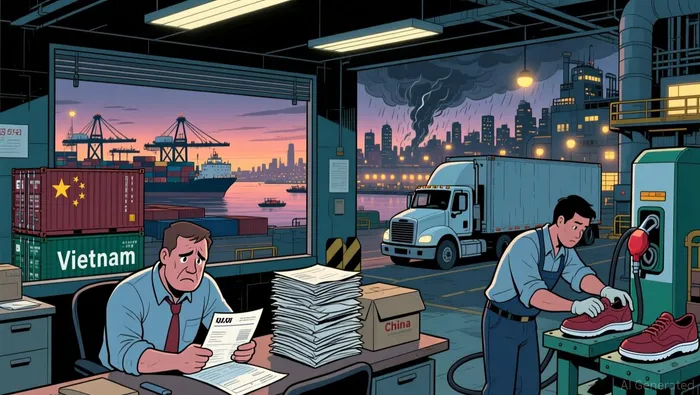
Compounding the challenge are rising operational costs. Tariffs on imports from key manufacturing hubs like China and Vietnam . At the same time, the cost of running physical stores is increasing due to energy regulations and rising lease costs. In cities like New York, where stores must comply with environmental regulations such as LL97, retail tenants are seeing their energy expenses rise sharply, directly impacting profitability.
What Can Sneaker Retailers Learn From Chapter 11 Filings in 2025?
The 2025 retail landscape has seen a string of Chapter 11 filings across multiple sectors. While not all of these are sneaker or footwear companies, the patterns are telling. Brands like Joann, Kohl's, and even luxury retailers are struggling to adapt to a market where online competition is fierce and customer expectations are high. For instance, the Palm Beach Sandal Company, known for its high-end, handcrafted footwear, filed for Chapter 11 under , a restructuring option designed for small to mid-sized firms. This shows that even niche or fashion-focused retailers are not immune to the broader retail collapse.
The key takeaway for investors is that adaptability is crucial. Retailers that fail to integrate digital sales channels or optimize their supply chains are at a distinct disadvantage. Soleply's inability to offset declining in-store traffic with digital growth contributed to its financial distress. Meanwhile, companies that have successfully transitioned to hybrid models—offering both online and in-store experiences—have fared better in 2025 according to reports.
What Lies Ahead for Mall-Based Retailers in 2026?
While the current year has been tough for traditional retailers, it's not all doom and gloom. Some brands have managed to survive by pivoting to online-first models and reducing their physical presence. However, for those still relying heavily on mall locations, the challenges are likely to persist. Energy costs, regulatory pressures, and shifting consumer preferences will remain key headwinds.
Retailers in the sneaker and footwear space will need to find new ways to differentiate themselves in a highly competitive market. This could involve leveraging data to better understand customer preferences, investing in sustainability initiatives to reduce regulatory risk, or exploring new retail formats like pop-up shops or direct-to-consumer models. For investors, the next year will be critical in determining which brands can weather the storm and which will fall by the wayside.
For now, the message is clear: the old retail model is no longer viable for many brands. Adapt or perish. Soleply's Chapter 11 filing serves as a cautionary tale for any retailer still clinging to outdated strategies in a rapidly evolving market.

Stay ahead of the market.
Get curated U.S. market news, insights and key dates delivered to your inbox.


AInvest
PRO
AInvest
PRO



Comments
No comments yet