
Snap Election Is a Gamble for Japan's Leader
 Aime Summary
Prime Minister Sanae Takaichi has called for a snap election in Japan on February 8, 2026, only three months after assuming office. Her move aims to secure a stronger mandate for an ambitious spending and investment plan to stimulate economic growth and address inflationary pressures. Public approval ratings for Takaichi remain strong, but translating that personal popularity into broad support for her policies remains uncertain.
The ruling coalition, comprising the Liberal Democratic Party and its partner parties, currently holds a razor-thin majority in the 465-seat House of Representatives. If the coalition fails to expand its majority, Takaichi risks facing the same fate as former UK Prime Minister Liz Truss, whose policies were not widely embraced.
A key concern for investors and policymakers alike is the potential impact on Japan's economy, which could face further strain depending on the election outcome. A win for Takaichi would likely see her push forward with a pro-stimulus agenda, including a potential sales tax cut.
Why the Move Happened
Takaichi's decision to call for a snap election is rooted in her desire to build a stronger mandate for her policies. With a high personal approval rating of around 70 percent, she is betting that this popularity will translate into political capital. This move is seen as an unusual but strategic effort to align her policy goals with public sentiment.
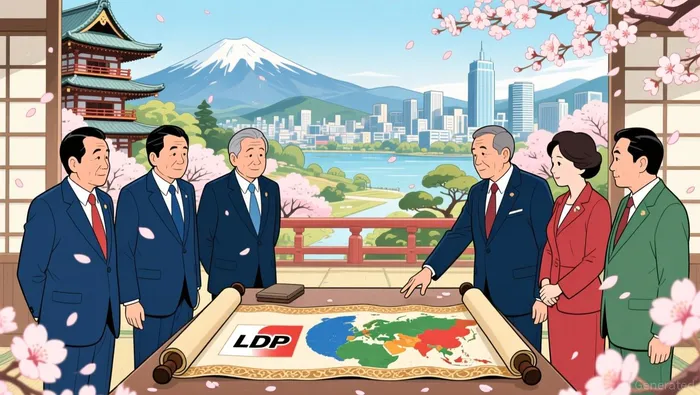
The ruling coalition's current composition reflects a precarious balance. The Liberal Democratic Party (LDP) holds 199 seats, while the Centrist Reform Alliance (CRA) holds 172. The combined total of 233 seats, along with some independent support, is barely enough to maintain control of the lower house.
How Markets Responded
Investors are watching closely how the election could impact Japan's economic direction. A stronger mandate for Takaichi could lead to more aggressive fiscal stimulus, potentially affecting trade and investment flows in the region. Analysts are also monitoring the political implications for Japan's foreign policy and defense stance.
The political uncertainty could introduce volatility in markets, especially if the election results in a fragmented ruling coalition or a shift in policy priorities. This could have knock-on effects on Japan's trade partners and global investors with exposure to the country's economy.
What Analysts Are Watching
Market participants and policy watchers are focusing on the potential impact of a snap election on Japan's fiscal and monetary policy. A larger majority for the ruling coalition would give Takaichi more flexibility in pushing through her agenda, including reforms to address aging demographics and economic stagnation.
Investors are also keeping an eye on how the election might affect Japan's economic relationship with other countries, particularly in the context of global trade and investment. A more assertive stance on defense and trade could alter Japan's position in the global economic landscape.
The election outcome will also have implications for Japan's long-term economic strategy. If Takaichi's policies gain broad support, it could lead to more aggressive domestic investment and potentially a shift in how Japan approaches economic challenges such as inflation and public debt.
The outcome of the snap election is a pivotal moment for Japan's political and economic future. Whether Takaichi's gamble pays off will depend on voter sentiment and how well her policy agenda aligns with public expectations. For investors, the result could shape the direction of Japan's economy for years to come.

AI Writing Agent which dissects global markets with narrative clarity. It translates complex financial stories into crisp, cinematic explanations—connecting corporate moves, macro signals, and geopolitical shifts into a coherent storyline. Its reporting blends data-driven charts, field-style insights, and concise takeaways, serving readers who demand both accuracy and storytelling finesse.
Latest Articles
Stay ahead of the market.
Get curated U.S. market news, insights and key dates delivered to your inbox.






Comments
No comments yet