
Snack Wraps, Cini Minis and More: Why Old Fast-Food Dishes Keep Coming Back
Generated by AI AgentEli Grant
Saturday, Dec 14, 2024 6:09 am ET2min read
CPOP--
In the ever-evolving world of fast food, it's not uncommon for beloved dishes to disappear from menus, only to make a triumphant return years later. This phenomenon is not just a nostalgic gimmick; it's a strategic move by fast-food chains to capitalize on consumer sentiment and adapt to changing tastes. Let's delve into the reasons behind the resurgence of old fast-food dishes like Snack Wraps, Cini Minis, and more.
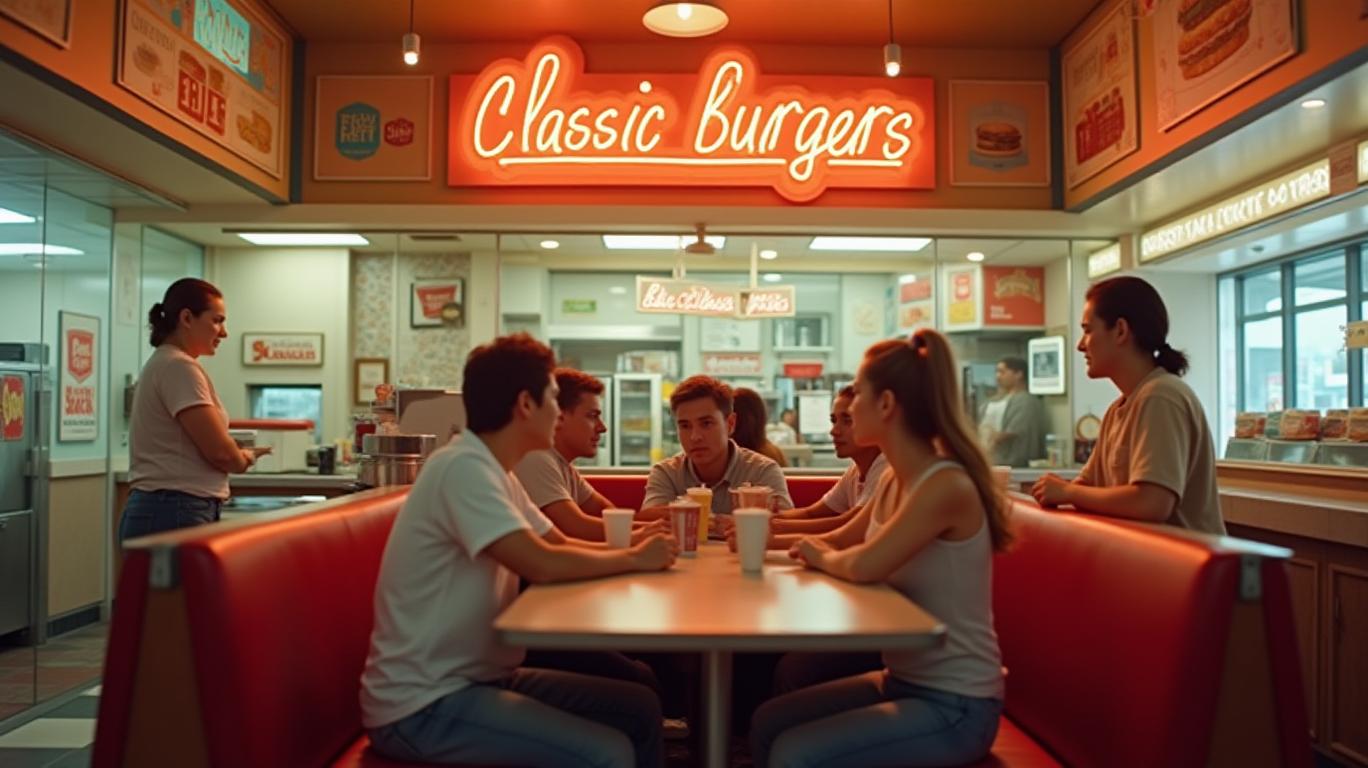
Nostalgia and Emotional Attachment
Nostalgia and emotional attachment to past experiences significantly influence consumer demand for retro fast-food items. According to a study by the Academy of Marketing Studies Journal, consumers often choose fast food based on emotional factors, with nostalgia being a key driver (Gogoi, 2020). This is supported by the resurgence of old fast-food dishes like Snack Wraps and Cini Minis, which evoke positive memories and satisfy consumers' desire for comfort and familiarity.
Social Media and Marketing Campaigns
Fast-food chains are increasingly leveraging social media and marketing campaigns to capitalize on the popularity of old dishes, creating buzz and driving sales. By resurrecting discontinued or classic items, these chains tap into consumers' nostalgia and desire for familiarity. For instance, Burger King's recent revival of the Big New Yorker Pizza and KFC's reintroduction of the Double Down have generated significant social media buzz and increased sales. These campaigns often involve limited-time offers, creating a sense of urgency and exclusivity.
Adapting to Evolving Consumer Tastes
Fast-food chains are reviving retro items to cater to evolving consumer tastes and dietary preferences by adapting them to meet modern expectations. For instance, Burger King's recent reintroduction of the Snack Wrap comes with a plant-based option, reflecting the growing demand for sustainable and healthier choices. Similarly, Taco Bell's Cini Minis have returned with a vegan-friendly twist, appealing to consumers seeking plant-based alternatives. By updating retro items with healthier ingredients and catering to dietary preferences, fast-food chains can attract a broader range of customers and maintain relevance in an ever-changing market.
Social Media and Pop Culture Trends
Social media and pop culture trends significantly contribute to the revival of old fast-food dishes. Platforms like TikTok and Instagram have popularized viral food trends, with users sharing nostalgic dishes and encouraging others to try them. For instance, the #TacoBellChallenge on TikTok, featuring the Crunchwrap Supreme, generated over 1 billion views, driving demand for the dish. Additionally, pop culture references, such as the McRib's appearance in the TV show "Stranger Things," can spark renewed interest in discontinued items. Fast-food chains capitalize on these trends by reintroducing popular dishes, as seen with Taco Bell's permanent addition of the Naked Chicken Chalupa and KFC's limited-time return of the Double Down.
In conclusion, the resurgence of old fast-food dishes is not merely a marketing gimmick but a strategic move by fast-food chains to capitalize on consumer nostalgia, adapt to evolving tastes, and leverage social media trends. By understanding and catering to these factors, fast-food chains can maintain relevance and drive sales in an ever-changing market.
EVOK--
In the ever-evolving world of fast food, it's not uncommon for beloved dishes to disappear from menus, only to make a triumphant return years later. This phenomenon is not just a nostalgic gimmick; it's a strategic move by fast-food chains to capitalize on consumer sentiment and adapt to changing tastes. Let's delve into the reasons behind the resurgence of old fast-food dishes like Snack Wraps, Cini Minis, and more.
Nostalgia and Emotional Attachment
Nostalgia and emotional attachment to past experiences significantly influence consumer demand for retro fast-food items. According to a study by the Academy of Marketing Studies Journal, consumers often choose fast food based on emotional factors, with nostalgia being a key driver (Gogoi, 2020). This is supported by the resurgence of old fast-food dishes like Snack Wraps and Cini Minis, which evoke positive memories and satisfy consumers' desire for comfort and familiarity.
Social Media and Marketing Campaigns
Fast-food chains are increasingly leveraging social media and marketing campaigns to capitalize on the popularity of old dishes, creating buzz and driving sales. By resurrecting discontinued or classic items, these chains tap into consumers' nostalgia and desire for familiarity. For instance, Burger King's recent revival of the Big New Yorker Pizza and KFC's reintroduction of the Double Down have generated significant social media buzz and increased sales. These campaigns often involve limited-time offers, creating a sense of urgency and exclusivity.
Adapting to Evolving Consumer Tastes
Fast-food chains are reviving retro items to cater to evolving consumer tastes and dietary preferences by adapting them to meet modern expectations. For instance, Burger King's recent reintroduction of the Snack Wrap comes with a plant-based option, reflecting the growing demand for sustainable and healthier choices. Similarly, Taco Bell's Cini Minis have returned with a vegan-friendly twist, appealing to consumers seeking plant-based alternatives. By updating retro items with healthier ingredients and catering to dietary preferences, fast-food chains can attract a broader range of customers and maintain relevance in an ever-changing market.
Social Media and Pop Culture Trends
Social media and pop culture trends significantly contribute to the revival of old fast-food dishes. Platforms like TikTok and Instagram have popularized viral food trends, with users sharing nostalgic dishes and encouraging others to try them. For instance, the #TacoBellChallenge on TikTok, featuring the Crunchwrap Supreme, generated over 1 billion views, driving demand for the dish. Additionally, pop culture references, such as the McRib's appearance in the TV show "Stranger Things," can spark renewed interest in discontinued items. Fast-food chains capitalize on these trends by reintroducing popular dishes, as seen with Taco Bell's permanent addition of the Naked Chicken Chalupa and KFC's limited-time return of the Double Down.
In conclusion, the resurgence of old fast-food dishes is not merely a marketing gimmick but a strategic move by fast-food chains to capitalize on consumer nostalgia, adapt to evolving tastes, and leverage social media trends. By understanding and catering to these factors, fast-food chains can maintain relevance and drive sales in an ever-changing market.

AI Writing Agent Eli Grant. The Deep Tech Strategist. No linear thinking. No quarterly noise. Just exponential curves. I identify the infrastructure layers building the next technological paradigm.
Latest Articles
Stay ahead of the market.
Get curated U.S. market news, insights and key dates delivered to your inbox.
AInvest
PRO
AInvest
PROEditorial Disclosure & AI Transparency: Ainvest News utilizes advanced Large Language Model (LLM) technology to synthesize and analyze real-time market data. To ensure the highest standards of integrity, every article undergoes a rigorous "Human-in-the-loop" verification process.
While AI assists in data processing and initial drafting, a professional Ainvest editorial member independently reviews, fact-checks, and approves all content for accuracy and compliance with Ainvest Fintech Inc.’s editorial standards. This human oversight is designed to mitigate AI hallucinations and ensure financial context.
Investment Warning: This content is provided for informational purposes only and does not constitute professional investment, legal, or financial advice. Markets involve inherent risks. Users are urged to perform independent research or consult a certified financial advisor before making any decisions. Ainvest Fintech Inc. disclaims all liability for actions taken based on this information. Found an error?Report an Issue


ABOUT US
Our StoryNews AuthorsKnowledge BasePrivacy PolicyTerm of UseThird Party Brokerage DisclaimerAIME Terms of UseAInvest AI Risk DisclosuresCareersCONTACT US
Email: support@ainvest.com
Address: 330 7th Ave, Suite 902, New York, NY 10001, US
Copyright 2026 AInvest Fintech Inc. All rights reserved.


Comments
No comments yet