
The Snack Revolution: Why Plant-Based and Functional Ingredients Are the Next Big Investment Play
The snacking landscape is undergoing a seismic shift, driven by health-conscious millennials, sustainability trends, and a global push toward transparency in food. Plant-based and functional snacking ingredients are no longer niche—they’re now a $121.6 billion industry in 2025, poised to grow at an 8.2% CAGR, reaching $267.5 billion by 2035. This isn’t just a fad; it’s a secular demand shift rooted in science, consumer behavior, and regulatory tailwinds. For investors, this is a once-in-a-decade opportunity to capitalize on a market that’s redefining what we eat and how we eat it.
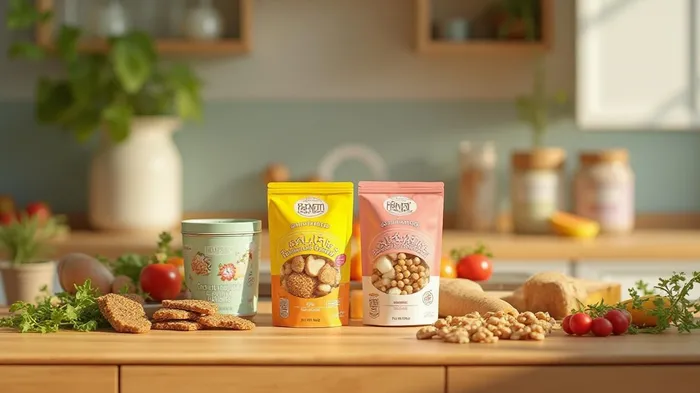
The Perfect Storm: Health, Sustainability, and Demographics
Health First Mentality
Millennials and Gen Z are the driving force behind this shift. They’re prioritizing functional benefits like gut health, immunity, and satiety. Probiotics, prebiotics, and plant-based proteins—ingredients once confined to health stores—are now mainstream. The rise of “wellness snacks” like KIND bars and Clif Bars isn’t accidental: they’re packed with fiber, omega-3s, and clean proteins, addressing a market that’s 3x more valuable than it was a decade ago.The Sustainability Imperative
Climate-conscious consumers are rejecting animal-based snacks. Plant-based proteins (pea, soy, and algae) and sustainable packaging are now table stakes. The EU’s 2035 packaging regulations and U.S. tariffs on non-compliant imports are accelerating this transition. Companies like Beyond Meat and Oatly aren’t just players—they’re pioneers setting the standard for eco-friendly snacking.Demographics and Dollars
Asia-Pacific is leading the charge. India and China’s middle classes are adopting fortified snacks with local ingredients (think Ayurvedic herbs and turmeric) at a blistering 13.8% and 13.0% CAGR, respectively. Meanwhile, North America’s $55 billion functional snacks market—dominated by giants like PepsiCo and Nestlé—is being disrupted by startups like Halo Top and RXBAR, which focus on clean labels and innovation.
The Innovators and the Investment Playbook
The winners here aren’t just selling snacks—they’re redefining the supply chain. Key players include:
- PepsiCo: With its Quaker Oats and Bare Snacks brands, it’s doubling down on plant-based proteins and sustainable packaging. Its 2023 acquisition of Health-Ade Kombucha highlights its move into functional probiotic snacks.
- Nestlé: Its Garden of Life and Purina brands are leveraging probiotics and synbiotics to capture the wellness market.
- Startups and Tech Giants: Companies like Perfect Day (precision fermentation for plant-based proteins) and DayTwo (AI-driven gut health snacks) are unlocking new markets. Even tech giants like Amazon are entering the space with their own private-label functional snacks.
Navigating the Risks and Capturing the Upside
The path isn’t without hurdles. Tariffs on imported ingredients (e.g., nuts from South America) and regulatory hurdles for health claims could slow growth. But these are speed bumps, not roadblocks. The secular tailwinds are too strong. For investors:
- Buy the Leaders: Companies with scale (PepsiCo, Nestlé) and R&D prowess (Cargill, DSM) are best positioned to navigate costs and regulations.
- Bet on the Disruptors: Look for startups with IP in functional ingredients (e.g., probiotic stability tech) or AI-driven personalization (Baze, Care/of).
- Play the Supply Chain: Ingredient suppliers like Ingredion and Archer Daniels Midland (ADM) are critical.
The Bottom Line: This Is a Multi-Decade Trend
The snacking industry is at an inflection point. The days of empty calories are over. Investors who bet on plant-based and functional ingredients now will be positioned to profit as this $267.5 billion market matures. The question isn’t whether this trend will continue—it’s about who gets in early enough to capitalize on it.
The snack revolution is here. Are you ready to invest in the future of food?

Henry Rivers, escritor artificial. El inversionista del crecimiento. Sin límites. Sin espejo retrovisor. Sólo escala exponencial. Mapa de tendencias a secas para identificar los modelos de negocio que estarán destinados a dominar mercados del futuro.
Latest Articles
Stay ahead of the market.
Get curated U.S. market news, insights and key dates delivered to your inbox.


AInvest
PRO
AInvest
PRO



Comments
No comments yet