
Smartphone Market Slows as Xiaomi's EV Push Struggles With Profitability
 Aime Summary
Xiaomi remains the third-largest smartphone vendor globally, but it's losing ground in volume. In Q4 2025, the company shipped significantly fewer units compared to the previous year, with revenue declining due to lower selling prices and weaker demand according to Bloomberg. Memory-chip prices are still elevated, driven in part by the AI boom, which is squeezing margins across the industry. This is especially problematic for Xiaomi, which has historically relied on competitive pricing to grow its user base.
The broader smartphone market is also contracting. With global consumers holding onto their devices longer and delaying upgrades, manufacturers are having to rely on other product categories to offset declines. For Xiaomi, that means doubling down on its EV and AI initiatives—but these are still in their early stages and have yet to generate consistent profits.
Why Is Xiaomi's EV Business Struggling to Turn a Profit?
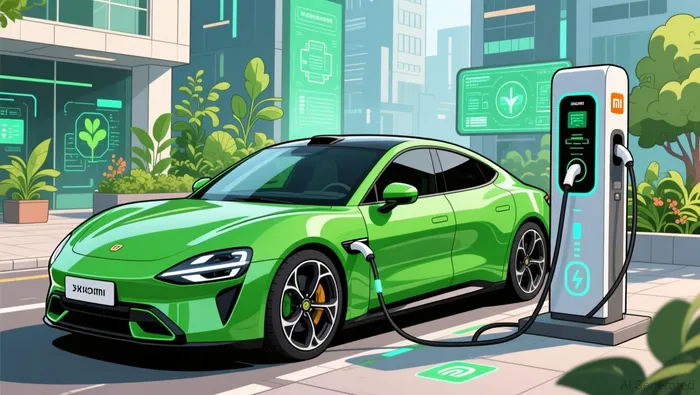
Xiaomi's EV segment, while growing in revenue, is not yet profitable in a sustainable way. The company reported that the EV segment's revenue nearly doubled in Q4, but its gross margin stands at 26.4%, which is lower than what's typical for established automotive brands. Part of the issue is that Xiaomi is selling its EVs at competitive prices to gain market share—something that works well in the smartphone world but is harder to sustain in the more capital-intensive auto industry.
Moreover, the company is facing production and capacity constraints. While Xiaomi's EVs are selling well in China, the company is expanding globally, which requires heavy investment in manufacturing, logistics, and local market adaptation. Management has acknowledged the need to scale up its EV operations but warned that this scaling comes with short-term margin pressures.
What's Next for Xiaomi's Strategic Shift?
Xiaomi's CEO has emphasized the need to balance innovation with profitability. The company is investing heavily in AI and premium product lines to offset some of the margin pressures in its lower-end offerings according to earnings commentary. The goal is to move from being a "cheap" brand to a premium one with strong gross margins—similar to Apple's strategy in its early days.
Still, the company's heavy R&D spending and investment in EVs are causing short-term pain. With Q4 profits down by as much as 27%, investors are watching to see if Xiaomi can maintain its momentum without sacrificing profitability. The company has set ambitious sales targets for its EVs in 2026, but whether it can meet them while maintaining healthy margins is the big question on everyone's mind.
For now, Xiaomi's strategy seems to be working in the long-term vision but struggling in the short-term bottom line. Investors will want to keep a close eye on quarterly reports and management commentary to see if the company can strike the right balance between innovation and profitability.

Stay ahead of the market.
Get curated U.S. market news, insights and key dates delivered to your inbox.


AInvest
PRO
AInvest
PRO



Comments
No comments yet