
Smart Contract Hacks Highlight Security Risks for Investors
 Aime Summary
Recent audits confirm high standards in certain projects with no critical vulnerabilities identified. Innovations like SmartGraphical combine static analysis and graphical modeling to detect logical vulnerabilities more effectively. Investors face significant risks from unaddressed vulnerabilities, including fund loss and trust erosion.
Smart contract security is a critical concern as blockchain systems grow in complexity and tokenized assets expand. Rigorous testing, third-party audits, and secure development practices are essential to prevent irreversible financial losses and maintain trust. Innovations such as SmartGraphical have emerged to enhance the detection of logical vulnerabilities through graphical modeling and human-in-the-loop verification. These tools help developers inspect control flows and identify potential flaws that traditional methods might miss.
The evolving threat landscape includes the use of large language models (LLMs) to scan older EVM smart contracts for unguarded bugs. These tools enable hackers to exploit coding flaws and logic errors efficiently, leading to unauthorized asset theft or manipulation. Additionally, vulnerabilities can lead to unauthorized asset theft or manipulation when not properly secured.
As blockchain infrastructure expands, the demand for rigorous security practices has increased. Developers and investors must remain vigilant in addressing potential threats and implementing proactive security measures. This includes regular security audits, third-party verification, and secure coding practices to ensure the long-term viability of blockchain systems.
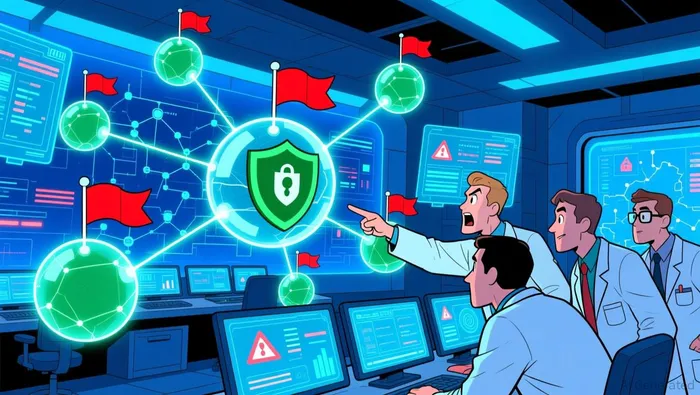
What are the risks of smart contract vulnerabilities to investors?
Smart contract vulnerabilities pose significant risks to investors, including financial losses and eroded trust in projects that lack transparent development practices or regular security audits. These vulnerabilities can lead to unauthorized asset theft or manipulation, exposing users to exploitation and reputational damage. For example, the Venus Protocol hack resulted in over $3.7 million in damages due to oracle and liquidity weaknesses.
Moreover, the immutability of smart contracts means that any vulnerabilities present at deployment cannot be corrected, leading to potential economic losses. Traditional methods such as symbolic execution and fuzz testing face limitations in handling complex contract logic and diverse vulnerability types. The FUSION model, a proposed smart contract vulnerability detection method, has shown promising results in detecting vulnerabilities with high accuracy.
How can investors mitigate the risks of smart contract vulnerabilities?
Investors should prioritize projects that demonstrate a commitment to security through documented practices, audits, and transparency. Projects that implement best practices in smart contract development are less likely to expose users to exploitation and reputational damage.
Professional smart contract auditors play a crucial role in ensuring the security and integrity of blockchain contracts. These auditors review codebases, conduct simulations and testing, and provide detailed reports on findings and recommended fixes. Engaging a professional auditor reduces the risk of financial losses and fosters user trust in the project.
Additionally, the use of AI-assisted auditing and tools like SIRCOT can enhance accuracy and efficiency in detecting vulnerabilities. These advancements contribute to the long-term viability of decentralized technologies and foster greater confidence among investors.
What are the implications for the future of blockchain adoption?
The future of blockchain adoption will heavily depend on the industry's ability to address security risks. As more enterprises and institutions invest in blockchain solutions, the demand for secure, auditable, and transparent smart contracts will continue to rise.
Academic and industry events, such as the DLT School & Workshop 2026, play a critical role in advancing smart contract security. These forums encourage cross-disciplinary collaboration and foster new solutions to privacy, scalability, and decentralization challenges. The market is likely to reward projects with strong security records, while those with vulnerabilities may face significant financial and reputational consequences.
The increased use of AI in attacks underscores the need for proactive security measures and continuous improvements in smart contract development and auditing. Developers, researchers, and investors must collaborate to ensure the long-term viability of decentralized technologies and foster trust in the industry.

Combinando la sabiduría tradicional en el comercio con las perspectivas más avanzadas sobre las criptomonedas.
Latest Articles
Stay ahead of the market.
Get curated U.S. market news, insights and key dates delivered to your inbox.


AInvest
PRO
AInvest
PRO



Comments
No comments yet