
U.S. Small Business Price Hikes Signal CPI Rebound
The U.S. July CPI rose modestly, and tariffs have not yet significantly driven up goods prices. At first glance, the Federal Reserve’s anti-inflation campaign appears to be succeeding. But is the story really that simple?
Businesses surveyed by the Financial Times in St. Louis, a Midwestern city, reported that suppliers had raised prices for a broad range of products in recent weeks—sometimes by as much as 30%—leaving them little choice but to pass the costs on to customers.
Before tariffs took effect, many companies stockpiled goods and continued selling them at original prices, avoiding sharp price hikes. But now, those inventories have been depleted.
“I believe inflation will rise as low-cost inventory is replaced by high-cost new goods,” said Justin Breckle, CEO of Authorized Appliance, a St. Louis retailer of premium kitchenware, barbecue equipment, and washing machines.

Nick Colombo, head of operations at Switchgrass, said his company was relatively shielded because it had ordered a large consignment of glass before tariffs hit. “We’ll try to keep prices stable,” he said, “but once we run out of stock and need to reorder, prices will almost certainly rise.”
“What we’re seeing with new products is they’re all being marked up,” said Mike Weiss, owner of Big Shark Bicycle Company, a St. Louis bike shop chain. “We’re seeing an average 10% increase in retail prices.” He added that his bikes, previously priced at $730 before tariffs, now sell for $800. Price adjustments, once made annually, are now happening much more frequently.
July CPI data also showed sharp price increases in service sectors such as hair care. Trinita Rhodes, co-owner of Beauty Supply Refresh in suburban Florissant, said most of her retail prices jumped significantly after Trump imposed a 145% tariff on all Chinese goods in April.

Rhodes noted that tariffs on Chinese imports would raise the price of human hair by 30%. Wigs that once cost $50 now sell for $75, and synthetic braiding hair is expected to rise from $5.99–$7.99 to $9.99. “We’ve been sourcing from China for years, so cutting off supply suddenly is difficult. The government hasn’t considered the impact of tariffs on small businesses,” she said.
The trend is backed by recent surveys. A National Federation of Independent Business poll last month found that 32% of companies planned to raise prices—the highest since March 2024. Another U.S. Census Bureau survey showed that 34% of businesses expect to hike prices in the next six months, up from 29% in mid-June.
Deutsche Bank economist Justin Weidner compared the situation to 2018, when Trump imposed tariffs on imported washing machines. “They took effect at the end of January, and then in April, May, and June, prices rose for three straight months. This suggests there’s often a delay between tariff implementation and price increases,” he said.
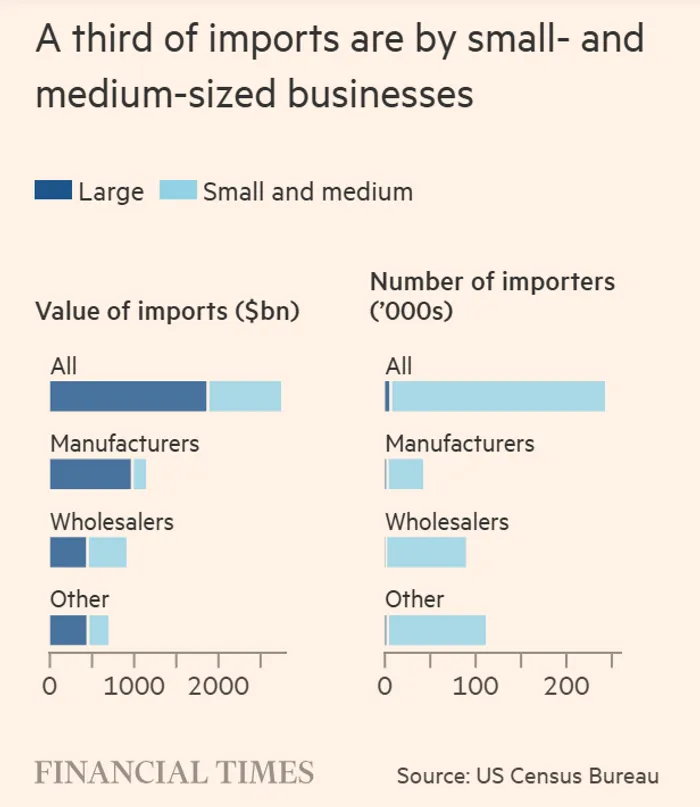
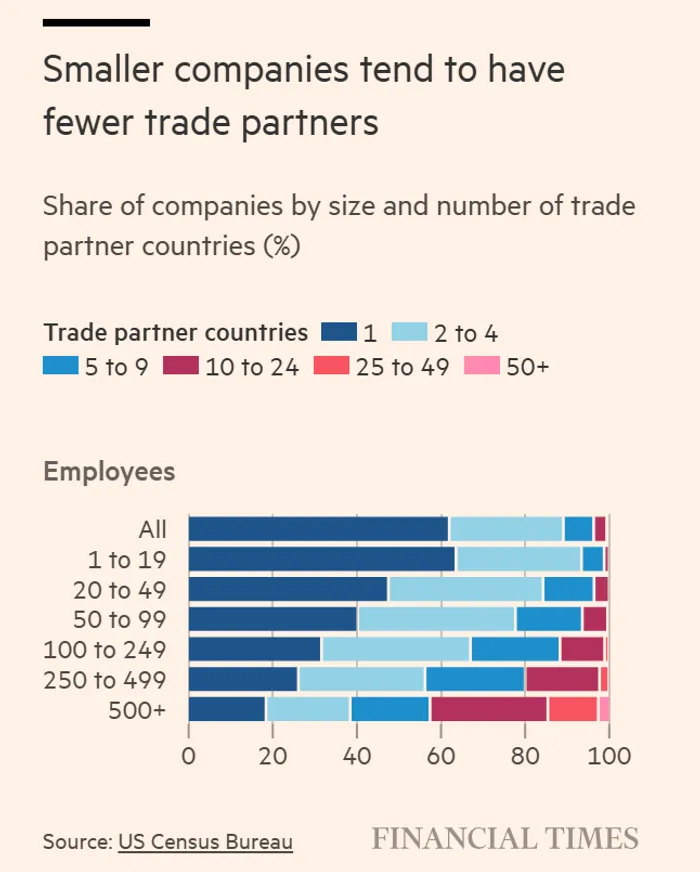
“There’s still inventory in the supply chain, but it’s gradually being depleted, so soon we’ll feel the effect of tariffs on prices,” said Panos Kouvelis, professor of supply chain, operations, and technology at Washington University in St. Louis. “And SMEs [small and medium-sized enterprises] will feel it the most.”

Expert analysis on U.S. markets and macro trends, delivering clear perspectives behind major market moves.
Latest Articles
Stay ahead of the market.
Get curated U.S. market news, insights and key dates delivered to your inbox.


AInvest
PRO
AInvest
PRO



Comments
No comments yet