
Slovenia's Green Surge: Hydropower Potential and Strategic EU Position Drive Renewable Growth
Slovenia, a small Balkan nation nestled at the crossroads of Central and Southeast Europe, is emerging as a pivotal player in the EU's green transition. With a geography rich in rivers and forests, the country has leveraged its natural advantages to position itself as a hub for renewable energy investment. At the heart of this shift is hydropower—a resource Slovenia has long underutilized but is now rapidly developing. This article examines Slovenia's strategic role in Europe's energy transformation, its untapped hydropower potential, and the investment opportunities and risks arising from this shift.
Hydropower's Dominance and Underutilized Potential
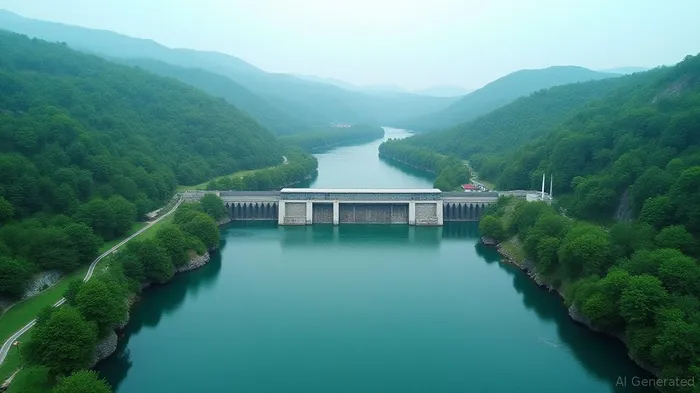
Hydropower accounts for 78.7% of Slovenia's renewable energy production, with the Zlatoličje plant on the Drava River alone contributing 31.5% of the country's electricity in 2023. Yet Slovenia's hydropower potential remains far from fully exploited. Rivers like the Sava, which flow through its valleys, are estimated to have developed only one-third of their capacity. Plans to expand hydropower further include adding 590 MW of pumped-storage capacity by 2035 (bringing total pumped-storage capacity to 781 MW) and 100 MW of conventional hydropower by 2035, alongside a national target to boost large hydropower capacity by 143 MW by 2040.
This growth is underpinned by Slovenia's National Strategy for Coal Divestment, which aims to phase out coal-fired power by 2033, and its alignment with the EU's 55% emissions reduction target by 2030. The underdevelopment of its rivers presents a clear opportunity: unlocking just 10% more of the Sava's potential could add hundreds of megawatts to Slovenia's grid, reducing reliance on imported fossil fuels and strengthening energy security.
EU Green Initiatives and Funding
Slovenia's strategic geographic position—bordering Italy, Austria, and Croatia—has amplified its access to EU funding and regional energy markets. After the 2023 floods, the EU allocated €2.68 billion through its Recovery and Resilience Facility, with 48.88% earmarked for green transition projects. This has spurred investments in hydropower infrastructure, solar farms, and grid modernization.
The EU's Renewable Energy Directive (RED III) further incentivizes Slovenia to expand hydropower, as it seeks to achieve climate neutrality by 2050. Slovenia's low unemployment rate (3.6%) and a skilled workforce also position it well to attract foreign investment.
Economic and Investment Implications
Slovenia's renewable energy sector has driven foreign direct investment (FDI) growth, reaching €23 billion in 2024, a 3.6% increase from the prior year. This influx has supported GDP growth, projected to rise to 2.6% in 2025, with green projects creating thousands of jobs in construction, engineering, and maintenance.
However, challenges remain. Slovenia's high corporate tax rates, bureaucratic processes, and labor market rigidities can deter investors. Additionally, pumped-storage projects, though vital for grid stability, require significant upfront capital and regulatory approvals.
Investment Opportunities and Risks
For investors, Slovenia's hydropower expansion offers two primary avenues:
1. EU Green Energy ETFs: Funds like the iShares Global Clean Energy ETF (ICLN) or iShares MSCI Europe Utilities ETF (EURN) provide exposure to EU-based renewable energy firms, including those with Slovenian operations.
2. Direct Infrastructure Investments: Partnerships with Slovenia's state-owned utility Holding Slovenske Elektrarne (HSE) or private developers could yield returns on hydropower and solar projects.
Risks include regulatory delays, weather-dependent output, and reliance on EU funding. Investors should also monitor Slovenia's nuclear strategy: while the Krško plant (35% of 2023 electricity) is aging, its eventual closure could increase demand for hydropower.
Conclusion
Slovenia's underutilized hydropower potential and strategic EU position make it a compelling investment destination for the green transition. With €2.68 billion in EU funds and ambitious targets to expand capacity, the nation is well-placed to reduce emissions and attract capital. Yet investors must weigh these opportunities against regulatory and operational hurdles. For those willing to navigate these challenges, Slovenia's rivers may well become Europe's next green energy frontier.

Stay ahead of the market.
Get curated U.S. market news, insights and key dates delivered to your inbox.


AInvest
PRO
AInvest
PRO



Comments
No comments yet