
Slate Auto's Electric Truck Faces Challenges Amid Rising Prices and EV Incentive Cuts
ByAinvest
Saturday, Aug 16, 2025 7:16 pm ET2min read
F--
The average transaction price for new EVs in July was $55,689, which is 2.2% less than June and 4.2% less than the same period last year. This price reduction brings the gap between new EVs and comparable gas models to $7,611, making EVs more affordable [1]. Used EV sales also increased significantly, with an average transaction price of $35,263 in July, down 1.9% from June and 1.6% from the same period last year [1].
The urgency to secure these tax credits has led to a significant reduction in the available supply of new and used EVs. The number of available new EVs fell to 87 days in July, a decrease of 49% compared to the same period last year [1]. This supply crunch is further exacerbated by the expiration of the tax credit, which is expected to maintain high demand for EVs.
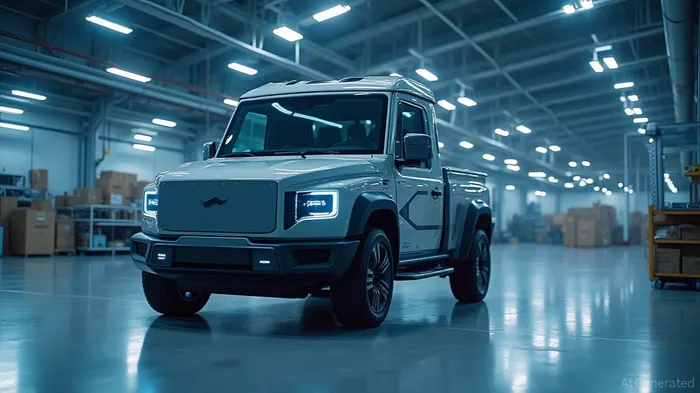
In response to these market conditions, Slate Auto, a young electric truck manufacturer backed by Jeff Bezos, has raised its price from under $20,000 to the mid-$20,000s. This price increase is due to the elimination of the EV tax credit and the rising costs of imported parts due to tariffs [2]. Despite the price increase, Slate Auto's electric truck now competes with combustion engine vehicles and hybrids priced around $30,000, offering more technology and equipment [2].
Ford is also developing an affordable electric truck, expected to be profitable and set to launch in 2027. This development underscores the growing competition in the electric truck market and the industry's response to the changing regulatory environment.
The merger between Workhorse and Motiv, two leading medium-duty electric truck manufacturers, further highlights the consolidation and innovation in the EV sector. This merger aims to create a leading North American medium-duty electric truck OEM, leveraging the strengths of both companies to reduce costs and optimize total cost of ownership [2]. The combined company expects to produce up to 5,000 trucks per year, positioning itself for significant growth in the medium-duty truck market.
In conclusion, the expiration of the federal tax credit for EVs has led to a surge in sales and a reduction in available supply, driving up prices for both new and used EVs. Companies like Slate Auto and Ford are responding to these changes by adjusting their pricing strategies and developing new products. The merger between Workhorse and Motiv further underscores the consolidation and innovation in the EV sector.
References:
[1] https://spectrumlocalnews.com/mo/st-louis/transportation/2025/08/15/ev-sales-accelerate-in-july-federal-tax-credit-expiration
[2] https://www.quiverquant.com/news/Workhorse+Group+Inc.+and+Motiv+Electric+Trucks+Announce+Merger+to+Create+Leading+Medium-Duty+Electric+Truck+Manufacturer
Slate Auto, a young electric truck manufacturer backed by Jeff Bezos, raised its price from under $20,000 to the mid-$20,000s due to the EV tax credit going away and increased costs from tariffs on imported parts. The company's mid-$20,000 priced electric truck now competes with combustion engine vehicles and hybrids around $30,000 with more technology and equipment. Ford is also developing an affordable electric truck, expected to be profitable, set to launch in 2027.
The expiration of the federal tax credit for electric vehicles (EVs) on September 30, 2025, has significantly influenced the market dynamics, as evidenced by the recent surge in EV sales. According to a new analysis from Cox Automotive, new EV sales increased by 26.4% in July compared to June, and by 19.7% year over year [1]. This acceleration in sales is a direct response to consumers rushing to take advantage of the expiring tax credit.The average transaction price for new EVs in July was $55,689, which is 2.2% less than June and 4.2% less than the same period last year. This price reduction brings the gap between new EVs and comparable gas models to $7,611, making EVs more affordable [1]. Used EV sales also increased significantly, with an average transaction price of $35,263 in July, down 1.9% from June and 1.6% from the same period last year [1].
The urgency to secure these tax credits has led to a significant reduction in the available supply of new and used EVs. The number of available new EVs fell to 87 days in July, a decrease of 49% compared to the same period last year [1]. This supply crunch is further exacerbated by the expiration of the tax credit, which is expected to maintain high demand for EVs.
In response to these market conditions, Slate Auto, a young electric truck manufacturer backed by Jeff Bezos, has raised its price from under $20,000 to the mid-$20,000s. This price increase is due to the elimination of the EV tax credit and the rising costs of imported parts due to tariffs [2]. Despite the price increase, Slate Auto's electric truck now competes with combustion engine vehicles and hybrids priced around $30,000, offering more technology and equipment [2].
Ford is also developing an affordable electric truck, expected to be profitable and set to launch in 2027. This development underscores the growing competition in the electric truck market and the industry's response to the changing regulatory environment.
The merger between Workhorse and Motiv, two leading medium-duty electric truck manufacturers, further highlights the consolidation and innovation in the EV sector. This merger aims to create a leading North American medium-duty electric truck OEM, leveraging the strengths of both companies to reduce costs and optimize total cost of ownership [2]. The combined company expects to produce up to 5,000 trucks per year, positioning itself for significant growth in the medium-duty truck market.
In conclusion, the expiration of the federal tax credit for EVs has led to a surge in sales and a reduction in available supply, driving up prices for both new and used EVs. Companies like Slate Auto and Ford are responding to these changes by adjusting their pricing strategies and developing new products. The merger between Workhorse and Motiv further underscores the consolidation and innovation in the EV sector.
References:
[1] https://spectrumlocalnews.com/mo/st-louis/transportation/2025/08/15/ev-sales-accelerate-in-july-federal-tax-credit-expiration
[2] https://www.quiverquant.com/news/Workhorse+Group+Inc.+and+Motiv+Electric+Trucks+Announce+Merger+to+Create+Leading+Medium-Duty+Electric+Truck+Manufacturer
Stay ahead of the market.
Get curated U.S. market news, insights and key dates delivered to your inbox.
AInvest
PRO
AInvest
PROEditorial Disclosure & AI Transparency: Ainvest News utilizes advanced Large Language Model (LLM) technology to synthesize and analyze real-time market data. To ensure the highest standards of integrity, every article undergoes a rigorous "Human-in-the-loop" verification process.
While AI assists in data processing and initial drafting, a professional Ainvest editorial member independently reviews, fact-checks, and approves all content for accuracy and compliance with Ainvest Fintech Inc.’s editorial standards. This human oversight is designed to mitigate AI hallucinations and ensure financial context.
Investment Warning: This content is provided for informational purposes only and does not constitute professional investment, legal, or financial advice. Markets involve inherent risks. Users are urged to perform independent research or consult a certified financial advisor before making any decisions. Ainvest Fintech Inc. disclaims all liability for actions taken based on this information. Found an error?Report an Issue


ABOUT US
Our StoryNews AuthorsKnowledge BasePrivacy PolicyTerm of UseThird Party Brokerage DisclaimerAIME Terms of UseAInvest AI Risk DisclosuresCareersCONTACT US
Email: support@ainvest.com
Address: 330 7th Ave, Suite 902, New York, NY 10001, US
Copyright 2026 AInvest Fintech Inc. All rights reserved.


Comments
No comments yet