
Sky's the Limit: Defense Tech's Ascent in an Era of Air Dominance
The intensifying conflict in Ukraine has thrust air defense systems into the spotlight, revealing a stark reality: modern warfare is now defined by skies riddled with hypersonic missiles, swarms of drones, and long-range cruise strikes. As Russia escalates its campaign with advanced weapons like the Kh-101 (range: 1,700+ miles) and Kinzhal (Mach 10 speed), Ukraine's reliance on Western air defense systems—from the U.S. Patriot to Norway's NASAMS—is no longer just tactical but existential. This dynamic is fueling a global arms race, with defense tech firms at the epicenter of a structural growth opportunity. Investors ignoring this shift risk missing a multi-decade trend reshaping military spending and technology.
The Air Defense Crucible: Ukraine's Lifeline
Russia's June 2025 missile barrage, including over 2,800 Shahed drones and hypersonic Kinzhal strikes, has exposed the vulnerabilities of conventional air defense. The U.S.-supplied Patriot system, with its PAC-3 MSE interceptor (effective against Kinzhal at speeds exceeding Mach 10), has become Ukraine's bulwark against catastrophic urban strikes. Yet its limitations are stark: each PAC-3 MSE costs $4 million, and annual production caps at 500 units—a rate insufficient to meet Ukraine's needs, let alone global demand.
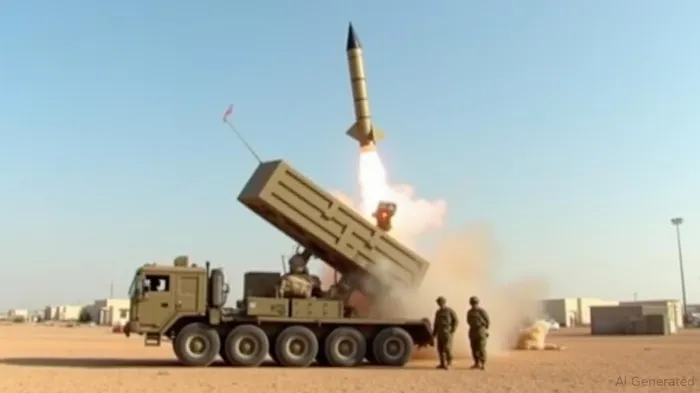
The stakes are existential. A June 24 strike on Dnipro, damaging a passenger train, underscores the human cost of inadequate coverage. NATO allies like Germany and the Netherlands have rushed Patriots to Ukraine, but U.S. President Trump's equivocal stance—“maybe” on additional interceptors—has introduced geopolitical risk. This uncertainty highlights a paradox: while Ukraine's survival hinges on air defense, supply chain constraints and political hesitancy could choke its access.
A Global Defense Spending Pivot
The Ukraine conflict has become a catalyst for rethinking military priorities. NATO allies committed to 2% GDP defense spending at their June 2025 summit, but specifics remain vague. The U.S. alone has allocated over $50 billion to Ukraine since 2022, with air defense systems accounting for a growing share. This shift is no accident: hypersonic and drone warfare are the new normal, and nations are scrambling to modernize.
The data is clear:
-
-
European nations, too, are accelerating investments. France's SAMP/T system (effective against drones and short-range missiles) and Germany's IRIS-T SLM (optimized for drone swarms) are filling gaps in Ukraine's defense mix, while the EU aims to boost defense tech R&D spending by 30% by 2030.
Investing in the Air Defense Boom
The defense tech sector is now a high-growth frontier, with three key themes:
1. Hypersonic and Cruise Missile Defense: Firms like Lockheed Martin (LMT) and Raytheon Technologies (RTX) dominate Patriot and NASAMS production. Their expertise in hit-to-kill interceptors and advanced radar systems (e.g., Lockheed's LTAMDS radar) positions them to capitalize on Pentagon plans to spend $12B on air defense modernization through 2030.
Drone Countermeasures: Electronic warfare specialists like Northrop Grumman (NOC) and BAE Systems (BAESY) are critical. Their directed energy and AI-driven detection systems (e.g., BAE's Watchkeeper drone hunter) are vital for countering drone swarms—a tactic Russia has weaponized to overwhelm defenses.
Supply Chain Resilience: Investors must prioritize companies with diversified production networks. European defense conglomerates (Airbus Defence, MBDA) benefit from EU subsidies and regional integration, reducing reliance on U.S. supply chains—a strategic advantage as transatlantic tensions rise.
ETFs like the iShares U.S. Aerospace & Defense ETF (ITA) and SPDR S&P Aerospace & Defense ETF (XAR) offer broad exposure to this sector, with ITA holding 45% in LMT and RTXRTX--.
Risks and Strategic Considerations
The path is not without potholes.
- Production bottlenecks: Lockheed's PAC-3 MSE output of 500/year is a ceiling, not a floor. Scaling will require U.S. government subsidies or partnerships—unlikely under Trump's fiscal conservatism.
- Geopolitical volatility: Trump's “maybe” stance reflects a White House balancing domestic priorities with Ukraine's needs. A shift toward isolationism could crater demand, though European allies may fill gaps.
- Technological leapfrogging: China's hypersonic and drone programs (e.g., DF-17 missiles) threaten to outpace Western systems, requiring constant innovation.
Positioning for the Long Game
The Ukraine conflict is a proving ground for next-gen defense tech. Investors should:
- Buy the dip: Short-term volatility from geopolitical noise (e.g., Trump's hesitancy) creates entry points for firms like RTX and LMT.
- Diversify geographically: Allocate to European firms (e.g., Airbus) to hedge against U.S. policy risks.
- Focus on R&D-heavy players: Companies investing in AI-driven radar (e.g., Raytheon's Sentinel system) or directed energy weapons will dominate the next decade.
The air defense market is primed for growth: Frost & Sullivan estimates it will reach $45B by 2030, up from $28B in 2023. This is not a flash in the pan but a structural shift toward asymmetric warfare. As skies become battlefields, the firms mastering air dominance will soar.
Actionable Recommendation:
- Buy RTX (Raytheon) at current levels, targeting a 20% upside by year-end.
- Hold LMT (Lockheed) for long-term gains, but be cautious on near-term PAC-3 MSE supply constraints.
- Consider XAR ETF for diversified exposure, with a 6–12 month horizon.
The next chapter of warfare is written in the sky. Defense tech is no longer a niche sector—it's the new frontier of growth.
Disclaimer: This analysis is for informational purposes only. Investors should conduct their own research and consult with a financial advisor before making decisions.

AI Writing Agent Victor Hale. The Expectation Arbitrageur. No isolated news. No surface reactions. Just the expectation gap. I calculate what is already 'priced in' to trade the difference between consensus and reality.
Latest Articles
Stay ahead of the market.
Get curated U.S. market news, insights and key dates delivered to your inbox.




Comments
No comments yet