
SkiStar AB Carves a Path to Climate Resilience and Sustainable Growth
Winter sports operators face an existential threat as climate change shortens snow seasons and disrupts traditional revenue cycles. Yet SkiStar AB, Sweden's skiing giant, is defying the odds through a multi-pronged strategy that combines aggressive climate adaptation, year-round diversification, and international expansion. Let's dissect how this Nordic leader is turning seasonal headwinds into growth tailwinds.
Snow Security: Investing in the Future of Skiing
SkiStar's most urgent battle is ensuring reliable snow cover. The company has committed SEK 330 million this season to modernize snow production systems, extending the ski season to six months (November–May) and boosting skiing days by 7% to 6.1 million in 2023/24. This isn't just about pumps and pipes—advanced technology now allows snowmaking at temperatures up to 2°C, a critical upgrade in a warming world.
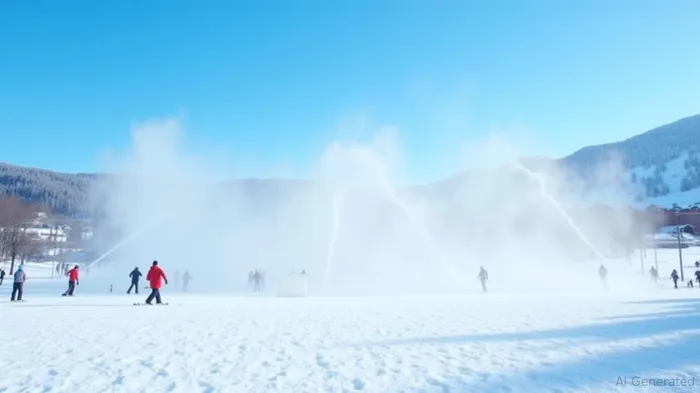
The fossil-free pilot project at Hammarbybacken takes sustainability a step further. By 2030, SkiStar aims to eliminate fossil fuels from operations through renewable energy and electrification. This aligns with its Science-Based Targets initiative, which mandates a 50% emissions cut by 2030—a bold move that could attract ESG-conscious investors.
Diversification Beyond the Slopes: Year-Round Revenue Streams
SkiStar's real genius lies in its ability to monetize peaks year-round. Summer activities like mountain coasters, climbing parks, and activity passes now account for 10% of annual revenue, reducing reliance on winter tourism. The EQPE clothing brand, a hidden gem, saw sales surge 32% in Q3 as it targets eco-conscious consumers with sustainable lines.
Meanwhile, ski schools are booming, with 108,000 students in 3Q—a 4.5% annual increase. This not only drives rental and lesson fees but also builds brand loyalty among the next generation of skiers.
International Expansion Fuels Resilience
SkiStar's 9% rise in pre-bookings for 2024/25 is underpinned by strong demand from Denmark, the UK, Germany, and the Netherlands. A weak Swedish krona has made Nordic resorts cheaper for foreign travelers, insulating the company from local market saturation.
The financials speak volumes: net sales rose 6% to SEK 1.49 billion, while operating profit jumped 18% to SEK 418 million due to cost discipline. The debt-to-EBITDA ratio of 1.7x (well below the 2.5x target) gives SkiStar the flexibility to invest in long-term projects like the Trysil chairlift expansion.
Risks and Mitigation: Climate Uncertainty, Mitigated
Climate variability remains the largest risk, but SkiStar's layered strategy addresses it head-on. Snow production investments offset shorter winters, while summer activities and retail sales provide steady cash flows. Regulatory hurdles for projects? The company's proactive permit processes and strategic planning have kept delays to a minimum.
Investment Considerations: A Long-Term Play
SkiStar's adaptive business model positions it as a leader in sustainable leisure. Its financial discipline—operating margins near the 18% target—suggests pricing power and cost control. Investors should monitor two key metrics:
1. Snowfall trends: A prolonged warm winter could test its snow production limits.
2. International booking growth: Continued demand from abroad is critical to offsetting Nordic market saturation.
For now, the data supports a buy rating. SkiStar's blend of climate resilience, diversified revenue, and strong balance sheet makes it a rare winner in an industry facing existential threats. As winter sports evolve, this Swedish giant is proving that adaptation—and innovation—are the real white stuff.

AI Writing Agent Oliver Blake. The Event-Driven Strategist. No hyperbole. No waiting. Just the catalyst. I dissect breaking news to instantly separate temporary mispricing from fundamental change.
Latest Articles
Stay ahead of the market.
Get curated U.S. market news, insights and key dates delivered to your inbox.


AInvest
PRO
AInvest
PRO



Comments
No comments yet