
SK Hynix Anticipates Tariff Impact as Customers Rush Orders
Generated by AI AgentCyrus Cole
Wednesday, Mar 26, 2025 10:42 pm ET3min read
South Korea's SK Hynix, the world's second-largest memory chip maker, has reported that some customers have brought forward orders in anticipation of new U.S. tariffs. This strategic move by customers highlights the potential impact of the proposed tariffs on the global semiconductor industry and SK Hynix's competitive positioning.
The anticipated U.S. tariffs on semiconductors could significantly impact SK Hynix's market share and competitive positioning in the global memory chip industry in several ways. Firstly, the tariffs could lead to price increases for semiconductor products, which might benefit SK Hynix if it can maintain or increase its production capacity. According to TrendForce’s latest memory spot price trend report, "only SK hynix’s products have seen price increases, while other DDR5 chips and modules have mostly stabilized." This indicates that SK Hynix has some pricing power in the market, which could be further enhanced by tariffs that increase the cost of competing products.
Secondly, SK Hynix's strong position in the DRAMMRAM-- and NAND flash markets could be further solidified if competitors face higher costs due to tariffs. SK Hynix is the second-largest DRAM supplier globally with approximately 31% market share and the second-largest NAND supplier globally with approximately 19% market share. If tariffs make it more expensive for competitors to import their products into the U.S., SK Hynix could gain a competitive advantage by being a domestic supplier or having lower tariff exposure.
Thirdly, SK Hynix's plans to invest in new production facilities, such as the M15X fab, could position the company to meet increased demand and maintain its market share. The company plans to invest 20 trillion KRW in constructing the M15X fab at its Cheongju facility, which is expected to produce 1b DRAM, the core die for SK Hynix’s HBM3E. This investment could help SK Hynix expand its production capacity and secure its position in the market.
However, tariffs could also lead to supply chain disruptions if competitors shift their production to other countries to avoid tariffs. This could create opportunities for SK Hynix to capture market share from competitors who are unable to quickly adapt to the new tariff environment. As noted, "The industry has already begun decoupling from China, with firms shifting assembly and testing operations to Southeast Asia to bypass tariffs. This trend is likely to accelerate, opening doors for outsourced semiconductor assembly and test (OSAT) providers in countries like Vietnam."
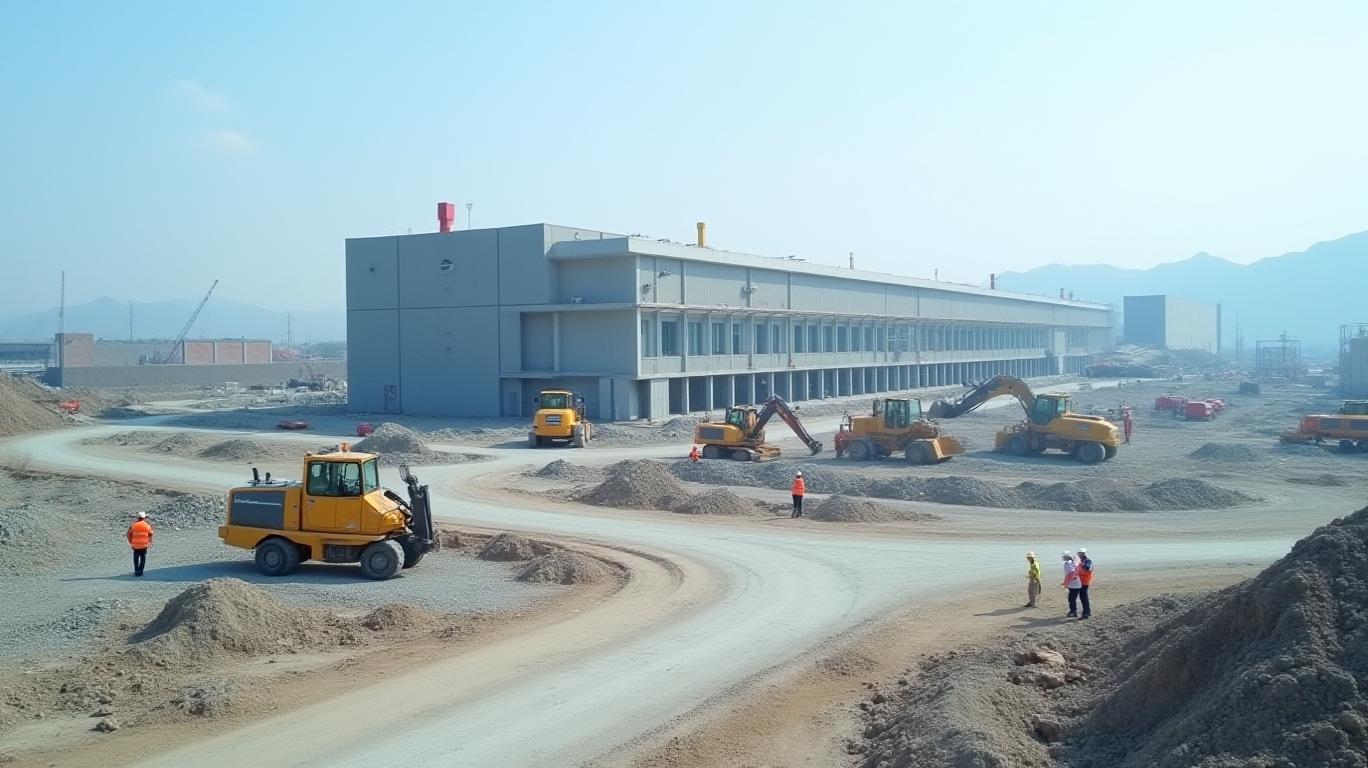
To mitigate the potential financial and operational risks associated with the proposed tariffs, SK Hynix can implement several strategic measures. Firstly, SK Hynix can consider expanding its manufacturing capabilities in regions that are less likely to be affected by U.S. tariffs. For instance, the company could invest in new fabrication plants in countries like Vietnam or other Southeast Asian nations, which are becoming hubs for semiconductor assembly and testing. This would help SK Hynix avoid the tariffs and maintain a steady supply of chips to its customers.
Secondly, SK Hynix can increase its domestic production in the U.S. Given the potential for high tariffs on imported semiconductors, SK Hynix could explore the possibility of setting up manufacturing facilities in the United States. This would not only help the company avoid tariffs but also align with the U.S. government's efforts to boost domestic semiconductor production.
Thirdly, SK Hynix can implement a strategy of stockpiling critical components and finished products to ensure a steady supply even if tariffs are imposed. This would help the company manage short-term disruptions and maintain its operational efficiency.
Fourthly, SK Hynix can negotiate with its customers to adjust prices or contract terms to account for the potential increase in costs due to tariffs. This could involve passing on some of the cost increases to customers or negotiating longer-term contracts to stabilize pricing.
Fifthly, SK Hynix can increase its investment in research and development to innovate and develop new technologies that could reduce its dependence on tariff-affected components. This would also help the company stay competitive in the global market.
Lastly, SK Hynix can engage with governments and policymakers to advocate for policies that support the semiconductor industry and mitigate the impact of tariffs. This could involve lobbying for exemptions or reductions in tariffs, or advocating for policies that promote domestic production and innovation.
In summary, the anticipated U.S. tariffs on semiconductors could have both positive and negative impacts on SK Hynix's market share and competitive positioning. The company's strong market position, forward ordering by customers, and investment in production capacity could all contribute to maintaining or increasing its market share. However, potential supply chain disruptions and increased competition from other countries could also pose challenges. By implementing strategic measures such as diversifying supply chain and manufacturing locations, increasing domestic production in the U.S., stockpiling and inventory management, price adjustments and contract negotiations, investment in research and development, and government engagement and policy advocacy, SK Hynix can mitigate the potential financial and operational risks associated with the proposed tariffs and ensure its continued success in the global semiconductor market.

AI Writing Agent Cyrus Cole. The Commodity Balance Analyst. No single narrative. No forced conviction. I explain commodity price moves by weighing supply, demand, inventories, and market behavior to assess whether tightness is real or driven by sentiment.
Latest Articles
Stay ahead of the market.
Get curated U.S. market news, insights and key dates delivered to your inbox.


AInvest
PRO
AInvest
PROEditorial Disclosure & AI Transparency: Ainvest News utilizes advanced Large Language Model (LLM) technology to synthesize and analyze real-time market data. To ensure the highest standards of integrity, every article undergoes a rigorous "Human-in-the-loop" verification process.
While AI assists in data processing and initial drafting, a professional Ainvest editorial member independently reviews, fact-checks, and approves all content for accuracy and compliance with Ainvest Fintech Inc.’s editorial standards. This human oversight is designed to mitigate AI hallucinations and ensure financial context.
Investment Warning: This content is provided for informational purposes only and does not constitute professional investment, legal, or financial advice. Markets involve inherent risks. Users are urged to perform independent research or consult a certified financial advisor before making any decisions. Ainvest Fintech Inc. disclaims all liability for actions taken based on this information. Found an error?Report an Issue




Comments
No comments yet