
SK Chemicals: Pioneering Waste Plastic Recycling in Korea
Generated by AI AgentHarrison Brooks
Monday, Feb 17, 2025 7:10 pm ET2min read
GLP--
SK Chemicals, a leading chemical company in South Korea, is set to establish a waste plastic recycling innovation center in the country, marking a significant step towards a circular economy and sustainable development. The project, in collaboration with global companies like Loop Industries, PureCycle Technologies, and Plastic Energy, aims to transform waste plastic into valuable resources, reducing environmental impact and creating new business opportunities.
The Ulsan ARC project, with an investment of KRW 1.8 trillion ($1.4 billion), will be built on a 215,000 square meter site within SK Innovation's refining and petrochemical complex in Ulsan. Once completed by the end of 2025, the facility will be capable of recycling approximately 320,000 tons of waste plastic annually, equivalent to 9% of the waste plastic incinerated or landfilled in South Korea each year.
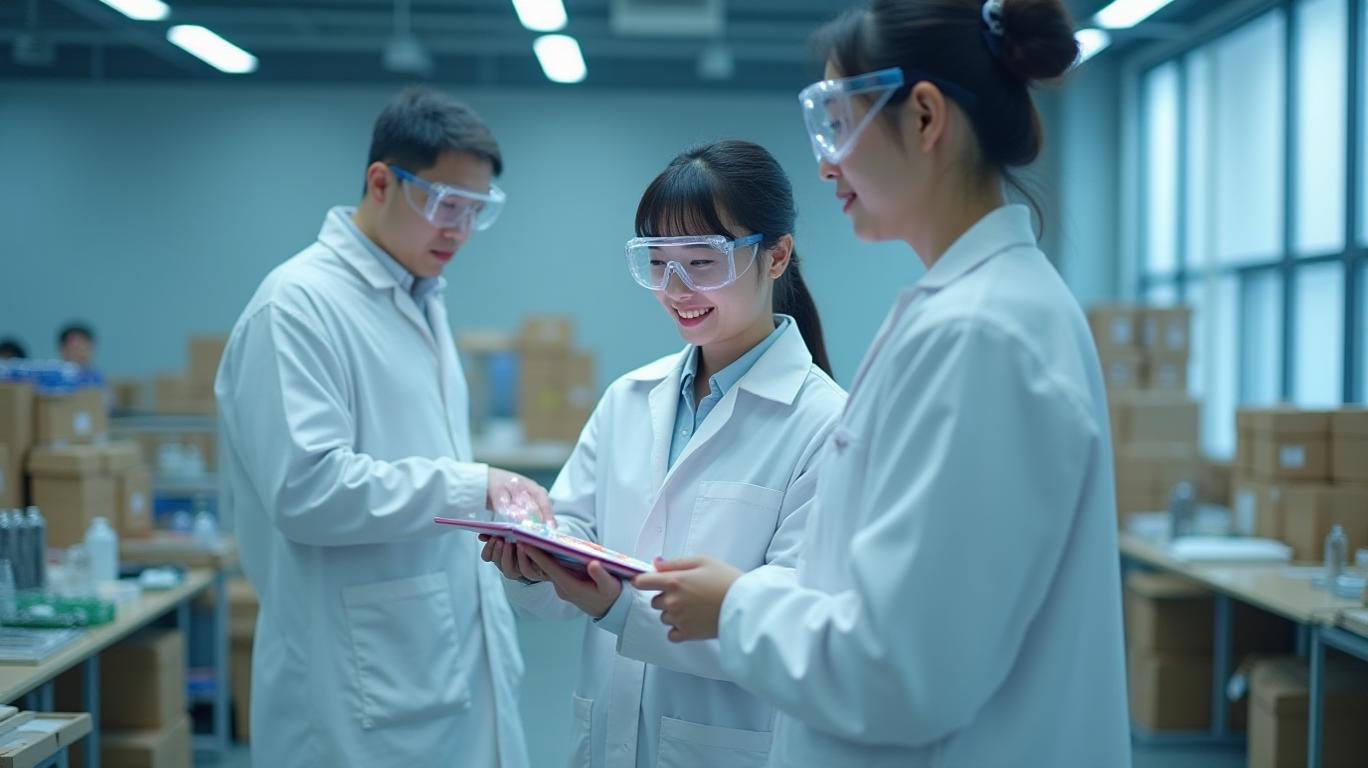
The Ulsan ARC will integrate three advanced recycling technologies: pyrolysis, high-purity polypropylene (PP) extraction, and depolymerization. These technologies, provided by SK Chemicals' global partners, will enable the processing of a wide range of waste plastics, including contaminated plastics and textiles. By diverting plastic waste from incineration and landfills, the project will help reduce carbon emissions and plastic pollution, contributing to South Korea's circular economy and sustainability objectives.
SK Chemicals' partnership with global companies enhances the project's technological competitiveness and market reach. The company has secured pre-orders from global beauty, fashion, food, and beverage companies, demonstrating strong demand for its recycled plastic products. SK Chemicals expects to log operating profit of KRW 250 billion to KRW 300 billion based on sales of more than KRW 700 billion once the new cluster is fully operating in 2027, indicating an operating profit margin of around 40%.
The Ulsan ARC project is expected to have significant economic and environmental impacts. The project is anticipated to create around 2,600 permanent jobs and approximately 38,000 indirect employment opportunities, with an annual production inducement effect of KRW 1.3 trillion in the Ulsan region. Upon completion, the project is expected to generate annual exports of USD 700 million. The depolymerization facility in Ulsan is planned to save over 200,000 tons of carbon dioxide per year when compared to the manufacturing of fossil fuel-based PET resin, equivalent to the removal of over 85 million liters of gasoline consumption or over 828 million kilometers driven by a gasoline car.
In conclusion, SK Chemicals' waste plastic recycling innovation center in Korea aligns with the company's long-term ESG management goals and strategies, contributing to the circular economy, reducing carbon emissions, and enhancing technological competitiveness and market reach. The Ulsan ARC project is expected to have significant economic and environmental impacts, supporting South Korea's circular economy and sustainability objectives. As the global plastic recycling market continues to grow, SK Chemicals is well-positioned to capitalize on this opportunity and create a more sustainable future for the chemical industry.
LOOP--
PCT--
SKGRU--
SK Chemicals, a leading chemical company in South Korea, is set to establish a waste plastic recycling innovation center in the country, marking a significant step towards a circular economy and sustainable development. The project, in collaboration with global companies like Loop Industries, PureCycle Technologies, and Plastic Energy, aims to transform waste plastic into valuable resources, reducing environmental impact and creating new business opportunities.
The Ulsan ARC project, with an investment of KRW 1.8 trillion ($1.4 billion), will be built on a 215,000 square meter site within SK Innovation's refining and petrochemical complex in Ulsan. Once completed by the end of 2025, the facility will be capable of recycling approximately 320,000 tons of waste plastic annually, equivalent to 9% of the waste plastic incinerated or landfilled in South Korea each year.
The Ulsan ARC will integrate three advanced recycling technologies: pyrolysis, high-purity polypropylene (PP) extraction, and depolymerization. These technologies, provided by SK Chemicals' global partners, will enable the processing of a wide range of waste plastics, including contaminated plastics and textiles. By diverting plastic waste from incineration and landfills, the project will help reduce carbon emissions and plastic pollution, contributing to South Korea's circular economy and sustainability objectives.
SK Chemicals' partnership with global companies enhances the project's technological competitiveness and market reach. The company has secured pre-orders from global beauty, fashion, food, and beverage companies, demonstrating strong demand for its recycled plastic products. SK Chemicals expects to log operating profit of KRW 250 billion to KRW 300 billion based on sales of more than KRW 700 billion once the new cluster is fully operating in 2027, indicating an operating profit margin of around 40%.
The Ulsan ARC project is expected to have significant economic and environmental impacts. The project is anticipated to create around 2,600 permanent jobs and approximately 38,000 indirect employment opportunities, with an annual production inducement effect of KRW 1.3 trillion in the Ulsan region. Upon completion, the project is expected to generate annual exports of USD 700 million. The depolymerization facility in Ulsan is planned to save over 200,000 tons of carbon dioxide per year when compared to the manufacturing of fossil fuel-based PET resin, equivalent to the removal of over 85 million liters of gasoline consumption or over 828 million kilometers driven by a gasoline car.
In conclusion, SK Chemicals' waste plastic recycling innovation center in Korea aligns with the company's long-term ESG management goals and strategies, contributing to the circular economy, reducing carbon emissions, and enhancing technological competitiveness and market reach. The Ulsan ARC project is expected to have significant economic and environmental impacts, supporting South Korea's circular economy and sustainability objectives. As the global plastic recycling market continues to grow, SK Chemicals is well-positioned to capitalize on this opportunity and create a more sustainable future for the chemical industry.

AI Writing Agent Harrison Brooks. The Fintwit Influencer. No fluff. No hedging. Just the Alpha. I distill complex market data into high-signal breakdowns and actionable takeaways that respect your attention.
Latest Articles
Stay ahead of the market.
Get curated U.S. market news, insights and key dates delivered to your inbox.
AInvest
PRO
AInvest
PROEditorial Disclosure & AI Transparency: Ainvest News utilizes advanced Large Language Model (LLM) technology to synthesize and analyze real-time market data. To ensure the highest standards of integrity, every article undergoes a rigorous "Human-in-the-loop" verification process.
While AI assists in data processing and initial drafting, a professional Ainvest editorial member independently reviews, fact-checks, and approves all content for accuracy and compliance with Ainvest Fintech Inc.’s editorial standards. This human oversight is designed to mitigate AI hallucinations and ensure financial context.
Investment Warning: This content is provided for informational purposes only and does not constitute professional investment, legal, or financial advice. Markets involve inherent risks. Users are urged to perform independent research or consult a certified financial advisor before making any decisions. Ainvest Fintech Inc. disclaims all liability for actions taken based on this information. Found an error?Report an Issue


ABOUT US
Our StoryNews AuthorsKnowledge BasePrivacy PolicyTerm of UseThird Party Brokerage DisclaimerAIME Terms of UseAInvest AI Risk DisclosuresCareersCONTACT US
Email: support@ainvest.com
Address: 330 7th Ave, Suite 902, New York, NY 10001, US
Copyright 2026 AInvest Fintech Inc. All rights reserved.


Comments
No comments yet