
Sirius XM's Strategic Position Amid EV and Satellite Radio Growth: Institutional Investor Moves as Barometers of Long-Term Value


 Aime Summary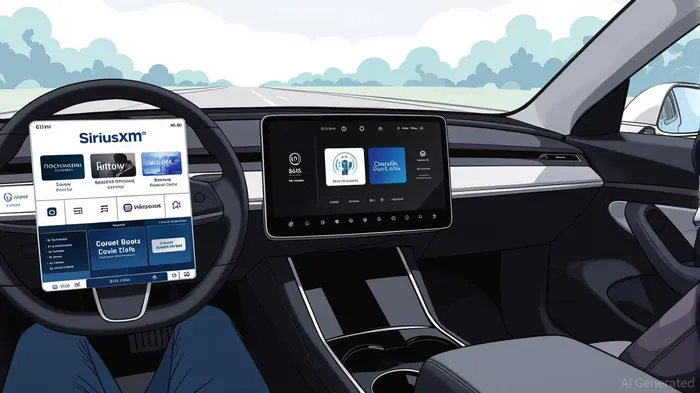
The automotive entertainment landscape is undergoing a seismic shift, driven by the rise of electric vehicles (EVs) and the dominance of on-demand streaming. Amid this transformation, Sirius XM Holdings Inc.SIRI-- (NASDAQ: SIRI) has positioned itself as a hybrid player—leveraging its satellite radio legacy while adapting to the digital-first preferences of EV drivers. For investors, the company's strategic moves and institutional ownership trends offer a compelling lens to assess its long-term value and readiness to navigate disruption.
Institutional Investor Sentiment: A Tale of Two Perspectives
Institutional investors have taken divergent stances on Sirius XMSIRI-- over the past two years, reflecting broader debates about its strategic direction. On one hand, heavyweights like Advisors Asset Management Inc, Northern Trust Corp, and Berkshire Hathaway have increased their stakes, signaling confidence in Sirius XM's ability to capitalize on its embedded presence in vehicles. These investors likely view the company's partnerships with EV leaders like TeslaRACE-- and FordF-- as a critical differentiator. For instance, Sirius XM's integration into Tesla's 2024 software update—offering a streaming-enabled, ad-supported tier—has expanded its reach to millions of EV drivers without relying on satellite hardware.
Conversely, firms like CIBC World Markets Corp and First Manhattan Co. LLC have reduced or exited their positions, citing concerns about subscriber retention and competition from platforms like SpotifySPOT-- and AmazonAMZN-- Music. This caution underscores the risks of a saturated market where Sirius XM's traditional satellite model faces declining relevance among younger, streaming-centric audiences.
Strategic Alliances: Embedding Sirius XM in the EV Ecosystem
Sirius XM's partnerships with EV manufacturers are central to its disruption readiness. The company's multi-year agreement with Ford, for example, ensures SiriusXM will be pre-installed in nearly all Ford and Lincoln 2025 models, including the F-150 Lightning and Mustang Mach-E. This integration includes advanced features like dynamic content recommendations and personalized profiles, aligning with Ford's push to enhance the in-car digital experience.
Meanwhile, the Tesla partnership represents a more radical pivot. By embedding SiriusXM into the Model 3, Model Y, and Cybertruck via a streaming solution, the company is future-proofing its presence in software-defined vehicles. The free one-month trial subscription and tailored features—such as “For You” landing pages and voice search—position Sirius XM as a premium, low-effort option for Tesla drivers. These moves not only secure Sirius XM's relevance in the EV era but also create a recurring revenue stream through subscriptions and advertising.
Financial Resilience and Operational Discipline
Sirius XM's financials further reinforce its strategic credibility. The company reported $402 million in free cash flow for Q2 2025 and reaffirmed its full-year guidance, including $1.15 billion in free cash flow and $2.6 billion in adjusted EBITDA. These figures reflect disciplined cost-cutting measures, including $350 million in savings from 2023–2024 and an additional $200 million targeted for 2025. Such efficiency allows Sirius XM to reinvest in AI-driven ad tech and content curation while maintaining its dividend and a $1.166 billion stock repurchase program.
The launch of SiriusXM Play, a low-cost, ad-supported subscription tier, also diversifies revenue streams. By targeting price-sensitive consumers and expanding ad inventory, the company is addressing the threat of streaming giants while preserving its core in-car subscriber base (which accounts for 90% of its audience).
Risks and Opportunities in the EV Era
Despite these strengths, challenges persist. The “click to cancel” regulation and rising churn rates in the streaming segment could pressure Sirius XM's subscriber growth. Additionally, the shift to EVs may accelerate the decline of satellite radio, as younger consumers prioritize on-demand platforms. However, Sirius XM's embedded partnerships and curated content—such as exclusive sports programming and podcasts—offer a unique value proposition that streaming services struggle to replicate in the in-car context.
Investment Thesis: Balancing Caution and Optimism
For investors, Sirius XM presents a nuanced opportunity. The institutional divide highlights both its resilience and vulnerabilities. Those who prioritize long-term value may find appeal in its embedded partnerships, financial discipline, and strategic pivot to ad-supported models. However, the risks of market saturation and regulatory headwinds warrant a cautious approach.
Key metrics to monitor:
- Subscriber retention rates and the contribution of SiriusXM Play to EBITDA.
- Institutional ownership trends, particularly among heavyweights like Berkshire Hathaway.
- Partnership expansion with other EV manufacturers, such as Rivian or GMGM--.
In conclusion, Sirius XM's strategic positioning in the EV and satellite radio markets hinges on its ability to balance innovation with operational efficiency. While institutional investors remain divided, the company's embedded presence in vehicles and focus on curated content suggest it is adapting to the future of automotive entertainment. For investors willing to navigate the sector's volatility, Sirius XM offers a compelling case study in disruption readiness—and a potential long-term value play in a rapidly evolving industry.

Delivering real-time insights and analysis on emerging financial trends and market movements.
Latest Articles
Stay ahead of the market.
Get curated U.S. market news, insights and key dates delivered to your inbox.
AInvest
PRO
AInvest
PRO



Comments
No comments yet