
Singapore Mandates Crypto Firms to Obtain Licenses by 2025: MAS Tightens Oversight
ByAinvest
Wednesday, Jun 11, 2025 10:12 pm ET2min read
BTC--
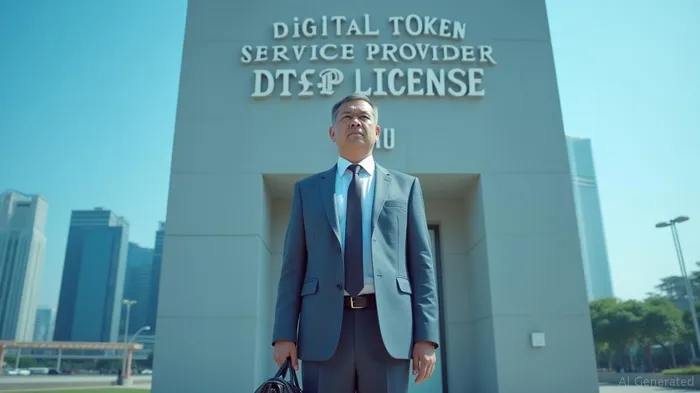
The new regulatory framework, effective from June 30, 2025, targets Digital Token Service Providers (DTSPs) that serve international clients. According to MAS, licenses under this regime will be granted sparingly, reflecting a high bar for compliance and operational standards [1]. Firms that fail to comply by the deadline will face enforcement actions, including penalties and forced cessation of operations.
This regulatory shift is part of a broader global trend where financial authorities are increasingly scrutinizing crypto activities to enhance investor protection and market integrity. Similar regulatory tightening has been observed in jurisdictions like the UK and the US [1]. The MAS's decision signals a cautious approach to overseas digital token services, emphasizing the need for robust oversight and compliance.
The implications for crypto service providers operating out of Singapore but serving international markets are significant. Firms must either secure a license or cease operations, potentially leading to strategic reevaluations and relocations to comply with the new regulatory environment. The crypto community's response has been muted, indicating cautious optimism or uncertainty as firms assess the full impact of the new rules [1].
Market data shows that Bitcoin continues to dominate the crypto market, with a current price of approximately $104,440.74 and a market capitalization exceeding $2 trillion [1]. The asset has shown resilience with a 2.43% increase over the past 24 hours and a 21.48% gain over the last 90 days. These market dynamics provide context for the regulatory changes, as Singapore positions itself to balance innovation with risk management.
Looking ahead, DTSPs serving overseas clients must prioritize compliance or plan for an orderly exit from the Singapore market. The MAS’s stringent licensing approach serves as a cautionary signal to the global crypto industry about the increasing regulatory scrutiny in key financial hubs. Firms are advised to engage with MAS early to navigate the licensing process or to discuss termination plans. This regulatory clarity, while challenging, also offers an opportunity for providers to enhance governance frameworks and align with international best practices, fostering long-term sustainability in the digital asset sector.
In conclusion, Singapore’s MAS has set a clear and firm regulatory path for DTSPs serving overseas clients, emphasizing licensing compliance by mid-2025 or cessation of services. This development reflects a broader global trend toward tighter crypto regulation, aiming to safeguard market integrity and investor interests. Providers must adapt strategically to these changes, ensuring compliance or orderly withdrawal to mitigate risks.
References:
[1] https://en.coinotag.com/singapore-mas-may-restrict-overseas-digital-token-services-potentially-impacting-bitcoin-market-dynamics/
[2] https://coingeek.com/mas-enforces-order-on-dtsps-australia-ups-crypto-atm-rules/
DAAQ--
DTSS--
MAS--
PATH--
Singapore's Monetary Authority of Singapore (MAS) has mandated all crypto firms to obtain a Digital Token Service Provider (DTSP) license by June 2025. Firms with personnel or operations in Singapore must comply, with no exemptions allowed. This move aims to enhance consumer protection and mitigate money laundering risks, causing increased operational costs for compliance. Previous enforcement actions have led to a decline in registered crypto firms and disruptions to services. The future landscape may see shifts in talent and capital to other jurisdictions.
Singapore's Monetary Authority (MAS) has issued a directive that all crypto firms operating within the country must obtain a Digital Token Service Provider (DTSP) license by June 2025. This move, aimed at enhancing consumer protection and mitigating money laundering risks, comes with stringent compliance requirements and significant operational costs. Firms with personnel or operations in Singapore are not exempt from this mandate.The new regulatory framework, effective from June 30, 2025, targets Digital Token Service Providers (DTSPs) that serve international clients. According to MAS, licenses under this regime will be granted sparingly, reflecting a high bar for compliance and operational standards [1]. Firms that fail to comply by the deadline will face enforcement actions, including penalties and forced cessation of operations.
This regulatory shift is part of a broader global trend where financial authorities are increasingly scrutinizing crypto activities to enhance investor protection and market integrity. Similar regulatory tightening has been observed in jurisdictions like the UK and the US [1]. The MAS's decision signals a cautious approach to overseas digital token services, emphasizing the need for robust oversight and compliance.
The implications for crypto service providers operating out of Singapore but serving international markets are significant. Firms must either secure a license or cease operations, potentially leading to strategic reevaluations and relocations to comply with the new regulatory environment. The crypto community's response has been muted, indicating cautious optimism or uncertainty as firms assess the full impact of the new rules [1].
Market data shows that Bitcoin continues to dominate the crypto market, with a current price of approximately $104,440.74 and a market capitalization exceeding $2 trillion [1]. The asset has shown resilience with a 2.43% increase over the past 24 hours and a 21.48% gain over the last 90 days. These market dynamics provide context for the regulatory changes, as Singapore positions itself to balance innovation with risk management.
Looking ahead, DTSPs serving overseas clients must prioritize compliance or plan for an orderly exit from the Singapore market. The MAS’s stringent licensing approach serves as a cautionary signal to the global crypto industry about the increasing regulatory scrutiny in key financial hubs. Firms are advised to engage with MAS early to navigate the licensing process or to discuss termination plans. This regulatory clarity, while challenging, also offers an opportunity for providers to enhance governance frameworks and align with international best practices, fostering long-term sustainability in the digital asset sector.
In conclusion, Singapore’s MAS has set a clear and firm regulatory path for DTSPs serving overseas clients, emphasizing licensing compliance by mid-2025 or cessation of services. This development reflects a broader global trend toward tighter crypto regulation, aiming to safeguard market integrity and investor interests. Providers must adapt strategically to these changes, ensuring compliance or orderly withdrawal to mitigate risks.
References:
[1] https://en.coinotag.com/singapore-mas-may-restrict-overseas-digital-token-services-potentially-impacting-bitcoin-market-dynamics/
[2] https://coingeek.com/mas-enforces-order-on-dtsps-australia-ups-crypto-atm-rules/
Stay ahead of the market.
Get curated U.S. market news, insights and key dates delivered to your inbox.
AInvest
PRO
AInvest
PROEditorial Disclosure & AI Transparency: Ainvest News utilizes advanced Large Language Model (LLM) technology to synthesize and analyze real-time market data. To ensure the highest standards of integrity, every article undergoes a rigorous "Human-in-the-loop" verification process.
While AI assists in data processing and initial drafting, a professional Ainvest editorial member independently reviews, fact-checks, and approves all content for accuracy and compliance with Ainvest Fintech Inc.’s editorial standards. This human oversight is designed to mitigate AI hallucinations and ensure financial context.
Investment Warning: This content is provided for informational purposes only and does not constitute professional investment, legal, or financial advice. Markets involve inherent risks. Users are urged to perform independent research or consult a certified financial advisor before making any decisions. Ainvest Fintech Inc. disclaims all liability for actions taken based on this information. Found an error?Report an Issue


ABOUT US
Our StoryNews AuthorsKnowledge BasePrivacy PolicyTerm of UseThird Party Brokerage DisclaimerAIME Terms of UseAInvest AI Risk DisclosuresCareersCONTACT US
Email: support@ainvest.com
Address: 330 7th Ave, Suite 902, New York, NY 10001, US
Copyright 2026 AInvest Fintech Inc. All rights reserved.


Comments
No comments yet