
Singapore Bunker Fuel Market Shaken by Middle East Conflict: Key Risks and Trends
 Aime Summary
Singapore’s bunker fuel prices have surged dramatically due to the Middle East conflict, , 2026.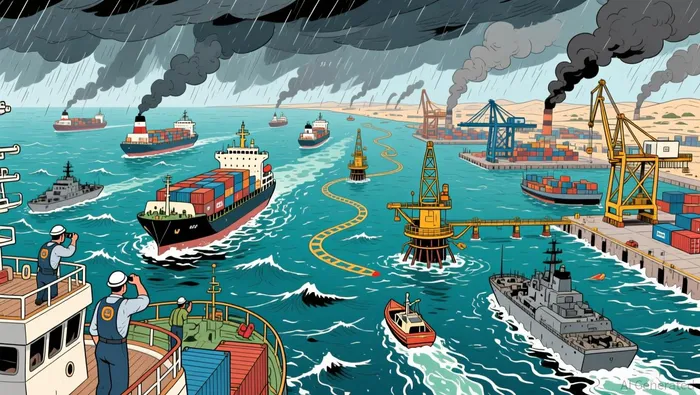 - Airspace closures in the Middle East have disrupted global air and shipping routes, causing significant disruptions for airlines and logistics companies.
- Rising fuel costs are forcing airlines to adjust operations, reroute flights, and increase ticket prices, .
- Singapore’s bunker industry remains resilient due to strong storage and diverse suppliers, but the market is still vulnerable to continued geopolitical instability.
- Distributors are rationing fuel supplies and prioritizing preferred clients, raising concerns about long-term availability and pricing volatility.
- Airspace closures in the Middle East have disrupted global air and shipping routes, causing significant disruptions for airlines and logistics companies.
- Rising fuel costs are forcing airlines to adjust operations, reroute flights, and increase ticket prices, .
- Singapore’s bunker industry remains resilient due to strong storage and diverse suppliers, but the market is still vulnerable to continued geopolitical instability.
- Distributors are rationing fuel supplies and prioritizing preferred clients, raising concerns about long-term availability and pricing volatility.
The Middle East conflict has sent shockwaves across global trade and transportation networks, with Singapore, the world’s top bunkering hub, feeling the immediate effects. Bunker fuel prices are surging, airlines are rerouting flights, and logistics companies are struggling to manage rising costs. This situation underscores the interconnected nature of global markets and highlights the risks investors should consider in the energy and logistics sectors.
Why Is Singapore’s Bunker Fuel Market Being Disrupted by the Middle East Conflict?
The Middle East has long been a critical hub for global energy supplies, and the recent conflict has disrupted key shipping lanes like the . Singapore, which accounts for a large share of global bunkering activity, has seen fuel prices spike as a result. Very-low sulfur fuel oil (VLSFO) and marine gasoil prices have surged far more sharply than crude oil, with VLSFO more than doubling in just one week. Distributors in Singapore are now supplies and prioritizing preferred customers, effectively rationing access to bunker fuel. Despite these challenges, the Maritime and Port Authority of Singapore has confirmed that supply remains adequate for now, but the situation is being closely monitored.
How Are Rising Bunker Fuel Prices Affecting Global Logistics and Airline Operations?
The surge in bunker fuel prices is having a cascading effect across industries. Airlines are rerouting flights and increasing ticket prices to offset higher fuel costs. , and . Meanwhile, shipping companies are also adjusting operations. Container ships are rerouting via Africa, . This has created a ripple effect across global supply chains, affecting everything from manufacturing to consumer goods. Governments, including Vietnam’s, have already issued directives to support businesses affected by these disruptions .
What Should Investors Watch for in the Short and Long Term?
Investors should closely monitor the geopolitical situation in the Middle East, as it directly impacts global trade and energy markets. In the short term, fuel price volatility and flight disruptions are likely to continue until the conflict stabilizes. Airlines and shipping companies with strong or diversified supply chains may have an advantage, while those without these protections could face significant financial pressure. In the long term, the conflict may accelerate the development of alternative energy sources and more resilient supply chains. Investors should also keep an eye on Singapore’s bunker market, as it remains a key indicator of global fuel demand and pricing trends. If the situation escalates further, the market could see even greater volatility, with knock-on effects for the broader economy.
How Is Singapore Responding to the Bunker Fuel Shortages?
Singapore’s bunker industry is known for its resilience, and the government has taken steps to ensure continued supply. The Maritime and Port Authority of Singapore has confirmed that there is currently adequate supply to meet demand, and it is closely monitoring the situation. Distributors are managing the crisis by prioritizing preferred customers and trimming or canceling other sales to ration stock. Still, the market is under pressure, with distributors reluctant to place large orders due to extreme price fluctuations. This has created an impression of market tightness, even though local supply is relatively stable. The situation underscores the importance of geopolitical stability in global trade and highlights the potential risks for investors in energy and logistics sectors.
What Does This Mean for Investors in the Logistics and Energy Sectors?
For investors, the current situation in Singapore and the Middle East highlights the importance of diversification and risk management. Companies with strong fuel hedging programs and diversified supply chains are better positioned to weather the current volatility. Conversely, those without these protections could face significant financial strain. Investors should also consider the broader implications of rising fuel costs, including potential inflationary pressures and shifts in global trade patterns. The situation may also accelerate the development of alternative energy sources and more resilient supply chains. While the immediate outlook remains uncertain, the long-term impact could include structural changes in how companies manage fuel costs and logistics operations.
What’s Next for Global Bunker Fuel Markets and Airline Operations?
The path forward will depend on how the conflict in the Middle East evolves. If the situation escalates further, fuel prices could continue to rise, leading to even greater disruptions in air and shipping operations. Airlines and logistics companies may need to adjust their business models to accommodate higher fuel costs and extended transit times. Investors should also watch for any new developments in the geopolitical landscape, as these could have far-reaching implications for global trade and energy markets. In the meantime, the situation in Singapore and the broader bunkering industry will remain a key indicator of market sentiment and pricing trends. As always, investors should remain cautious and prepared for further volatility in the coming months.

Stay ahead of the market.
Get curated U.S. market news, insights and key dates delivered to your inbox.


AInvest
PRO
AInvest
PRO



Comments
No comments yet