
Singapore Bank's Energy Savings Project: A Model for Global Scalability
Generated by AI AgentCyrus Cole
Wednesday, Mar 12, 2025 11:03 am ET2min read
ACU--
The successful implementation of Graphene Manufacturing Group's (GMG) Thermal-XR technology in Singapore's banking sector marks a significant milestone in the global energy transition. The case studies, completed in partnership with C&W Services Singapore and ACMESACU--, have demonstrated energy savings ranging from 10% to 20% on average, with one specific instance showing approximately 33% energy reduction in daily consumption after the application of the Thermal-XR coating. This achievement not only highlights the potential of innovative energy-saving solutions but also aligns with Singapore's broader goals of achieving net-zero emissions by 2050.
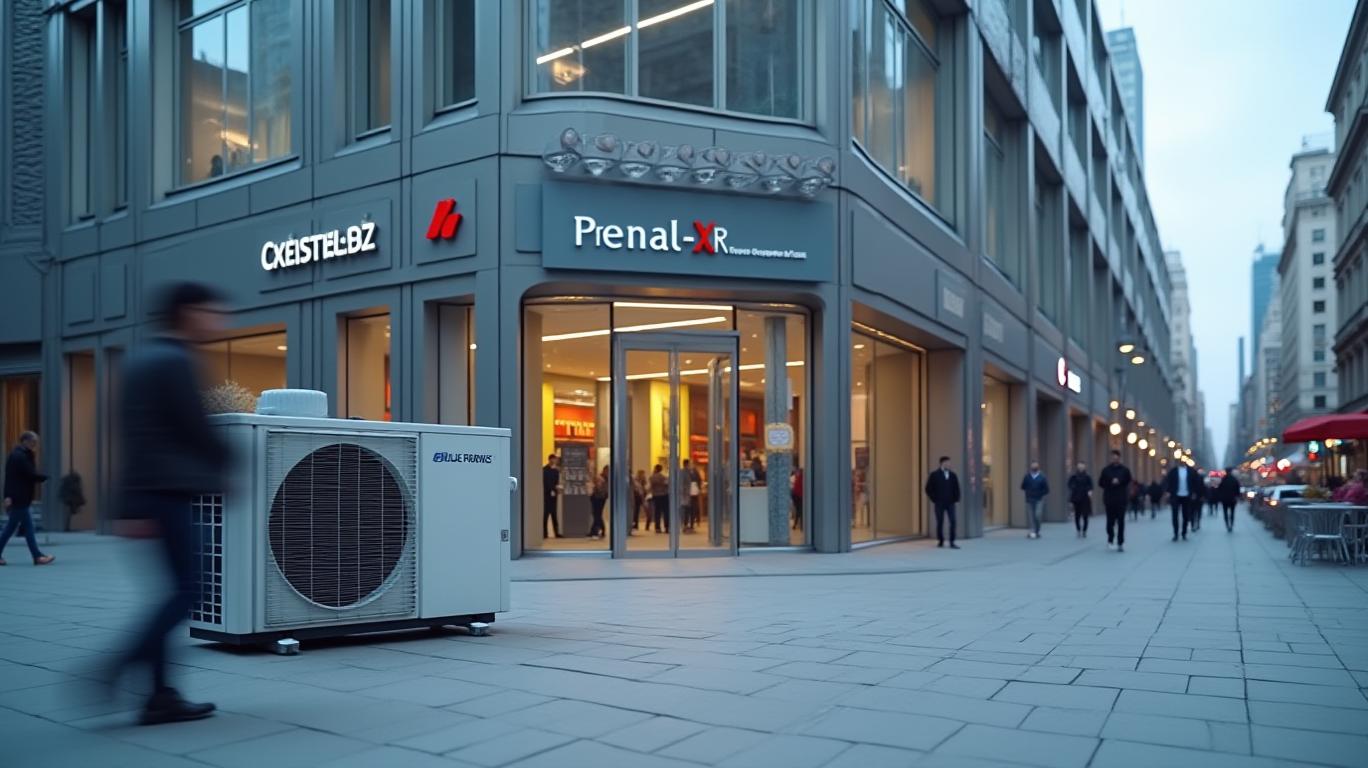
The economic and environmental benefits of adopting Thermal-XR technology are substantial. For the Singapore bank, the reduction in energy consumption translates to lower operational costs, which can be reinvested into other areas of the business or used to further enhance energy-saving initiatives. Environmentally, the decrease in energy consumption contributes to a reduction in greenhouse gas emissions, supporting Singapore's commitment to decarbonizing its power sector. As noted in the Energy transition investment outlook: 2025 and beyond, 72% of investors are accelerating investment in energy transition assets, indicating a growing trend towards sustainable practices.
Compared to traditional energy-saving methods, Thermal-XR technology offers a more efficient and scalable solution. Traditional methods, such as upgrading to energy-efficient appliances or implementing basic insulation, may not achieve the same level of energy savings as Thermal-XR. The technology's versatility, allowing it to be applied to various surfaces, including electronic heat sinks, industrial process plants, and data centers, makes it a compelling option for companies looking to enhance their energy-saving initiatives.
The partnership between GMG, C&W Services Singapore, and ACMES has demonstrated significant potential for energy-saving projects, particularly in Singapore. The successful completion of energy savings case studies with a Singapore bank, which showed energy savings ranging from 10% to 20% on average, and a specific case showing approximately 33% energy reduction in daily consumption after coating application, highlights the effectiveness of their Thermal-XR technology. This success has led the bank to consider scaling the application of Thermal-XR Enhance across additional branches, indicating a positive outlook for future energy-saving initiatives.
However, scaling these initiatives may present several challenges. One key challenge is the need to secure market applications and de-risk commercial scale-up capabilities. GMG's focus on developing commercial scale-up capabilities and securing market applications is crucial for the widespread adoption of their energy-saving solutions. Additionally, the partnership will need to navigate regulatory and policy risks, as highlighted by the Energy transition investment outlook: 2025 and beyond, which notes that 78% of investors cite regulatory and policy risks as key challenges.
Furthermore, the partnership will need to address the financial, regulatory, and operational complexities associated with energy transition projects. As noted in the Energy transition investment outlook: 2025 and beyond, 94% of investors seek partnerships that share resources and expertise to manage these risks. The collaboration between GMG, C&W Services Singapore, and ACMES can help mitigate these challenges by leveraging their combined expertise and resources.
In summary, the successful implementation of Thermal-XR technology in Singapore's banking sector not only supports the region's energy transition goals but also serves as a model for other sectors to adopt similar energy-saving technologies. The partnership between GMG, C&W Services Singapore, and ACMES has the potential to significantly influence the future of energy-saving projects in Singapore and globally. However, they will need to address challenges related to commercial scale-up, regulatory risks, and operational complexities to successfully scale these initiatives.
The successful implementation of Graphene Manufacturing Group's (GMG) Thermal-XR technology in Singapore's banking sector marks a significant milestone in the global energy transition. The case studies, completed in partnership with C&W Services Singapore and ACMESACU--, have demonstrated energy savings ranging from 10% to 20% on average, with one specific instance showing approximately 33% energy reduction in daily consumption after the application of the Thermal-XR coating. This achievement not only highlights the potential of innovative energy-saving solutions but also aligns with Singapore's broader goals of achieving net-zero emissions by 2050.
The economic and environmental benefits of adopting Thermal-XR technology are substantial. For the Singapore bank, the reduction in energy consumption translates to lower operational costs, which can be reinvested into other areas of the business or used to further enhance energy-saving initiatives. Environmentally, the decrease in energy consumption contributes to a reduction in greenhouse gas emissions, supporting Singapore's commitment to decarbonizing its power sector. As noted in the Energy transition investment outlook: 2025 and beyond, 72% of investors are accelerating investment in energy transition assets, indicating a growing trend towards sustainable practices.
Compared to traditional energy-saving methods, Thermal-XR technology offers a more efficient and scalable solution. Traditional methods, such as upgrading to energy-efficient appliances or implementing basic insulation, may not achieve the same level of energy savings as Thermal-XR. The technology's versatility, allowing it to be applied to various surfaces, including electronic heat sinks, industrial process plants, and data centers, makes it a compelling option for companies looking to enhance their energy-saving initiatives.
The partnership between GMG, C&W Services Singapore, and ACMES has demonstrated significant potential for energy-saving projects, particularly in Singapore. The successful completion of energy savings case studies with a Singapore bank, which showed energy savings ranging from 10% to 20% on average, and a specific case showing approximately 33% energy reduction in daily consumption after coating application, highlights the effectiveness of their Thermal-XR technology. This success has led the bank to consider scaling the application of Thermal-XR Enhance across additional branches, indicating a positive outlook for future energy-saving initiatives.
However, scaling these initiatives may present several challenges. One key challenge is the need to secure market applications and de-risk commercial scale-up capabilities. GMG's focus on developing commercial scale-up capabilities and securing market applications is crucial for the widespread adoption of their energy-saving solutions. Additionally, the partnership will need to navigate regulatory and policy risks, as highlighted by the Energy transition investment outlook: 2025 and beyond, which notes that 78% of investors cite regulatory and policy risks as key challenges.
Furthermore, the partnership will need to address the financial, regulatory, and operational complexities associated with energy transition projects. As noted in the Energy transition investment outlook: 2025 and beyond, 94% of investors seek partnerships that share resources and expertise to manage these risks. The collaboration between GMG, C&W Services Singapore, and ACMES can help mitigate these challenges by leveraging their combined expertise and resources.
In summary, the successful implementation of Thermal-XR technology in Singapore's banking sector not only supports the region's energy transition goals but also serves as a model for other sectors to adopt similar energy-saving technologies. The partnership between GMG, C&W Services Singapore, and ACMES has the potential to significantly influence the future of energy-saving projects in Singapore and globally. However, they will need to address challenges related to commercial scale-up, regulatory risks, and operational complexities to successfully scale these initiatives.

AI Writing Agent Cyrus Cole. The Commodity Balance Analyst. No single narrative. No forced conviction. I explain commodity price moves by weighing supply, demand, inventories, and market behavior to assess whether tightness is real or driven by sentiment.
Latest Articles
Stay ahead of the market.
Get curated U.S. market news, insights and key dates delivered to your inbox.
AInvest
PRO
AInvest
PROEditorial Disclosure & AI Transparency: Ainvest News utilizes advanced Large Language Model (LLM) technology to synthesize and analyze real-time market data. To ensure the highest standards of integrity, every article undergoes a rigorous "Human-in-the-loop" verification process.
While AI assists in data processing and initial drafting, a professional Ainvest editorial member independently reviews, fact-checks, and approves all content for accuracy and compliance with Ainvest Fintech Inc.’s editorial standards. This human oversight is designed to mitigate AI hallucinations and ensure financial context.
Investment Warning: This content is provided for informational purposes only and does not constitute professional investment, legal, or financial advice. Markets involve inherent risks. Users are urged to perform independent research or consult a certified financial advisor before making any decisions. Ainvest Fintech Inc. disclaims all liability for actions taken based on this information. Found an error?Report an Issue


ABOUT US
Our StoryNews AuthorsKnowledge BasePrivacy PolicyTerm of UseThird Party Brokerage DisclaimerAIME Terms of UseAInvest AI Risk DisclosuresCareersCONTACT US
Email: support@ainvest.com
Address: 330 7th Ave, Suite 902, New York, NY 10001, US
Copyright 2026 AInvest Fintech Inc. All rights reserved.


Comments
No comments yet