
Simon Property Group: Navigating Leadership Shifts and Retail Evolution for Long-Term Growth
Simon Property Group (SPG), the nation's largest mall operator, faces a critical juncture as it balances leadership transitions, evolving consumer preferences, and macroeconomic headwinds. Can the company sustain its dominance in an era where physical retail is under siege? Let's dissect the evidence.
Leadership Succession: A Work in Progress
In early 2025, Simon announced the retirement of Allan B. Hubbard, a key executive, signaling a leadership transition. While the company's board—led by Chairman Timothy J. Naughton since 2005—has prioritized board refreshment, details of Hubbard's replacement remain vague. The proxy statement highlights new directors like Christopher B. Howard and Nnenna Lynch, who bring diversity and expertise in real estate and technology. However, Naughton's decades-long tenure raises questions about succession planning for the top role itself.
The board's focus on governance—evident in its independent director oversight and committee structure—is a strength. Still, investors should demand clarity on CEO succession by mid-2026 to ensure seamless leadership continuity.
Mall Reinvention: A Strategic Lifeline
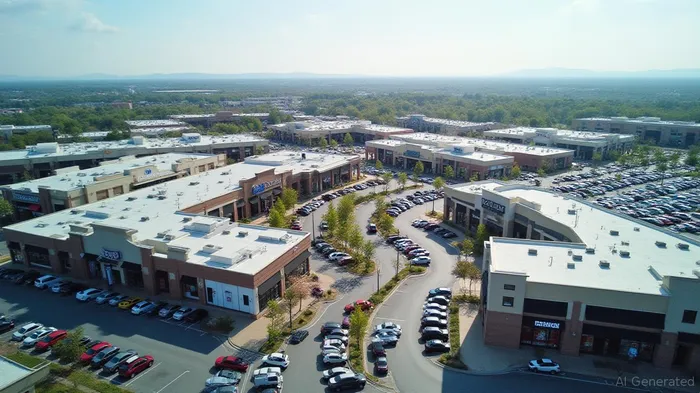
Simon's mall reinvention strategy is its best defense against e-commerce and shifting consumer habits. By transforming properties into mixed-use hubs—integrating healthcare, dining, and experiential retail—the company has boosted occupancy to 95.9% and raised base rents by 2.4% year-over-year. Initiatives like expanding National Outlet Shopping Day™ to four days and acquiring international assets like Jakarta Premium Outlets reflect a global vision.
The push into AI-driven “phygital” experiences (e.g., AR store navigation) is also smart, aligning with retailers' tech investments. Simon's Q1 2025 dividend hike to $2.10 per share (+5%) underscores confidence in its cash flow, even as interest rates linger above 4.5%.
Macroeconomic Crosscurrents: Risks and Resilience
Simon navigates a tricky economic landscape:
- Interest Rates: While high rates pressure borrowing costs, Simon's secured loan deals (avg. 5.73%) and $10.1B liquidity provide a buffer.
- Consumer Behavior: Trade-down trends and cautious spending persist, but Simon's focus on essential retail (e.g., groceries, healthcare) and travel-related splurges limits exposure to discretionary slumps.
- E-commerce Slowdown: Global e-commerce growth is decelerating (2025's slowdown vs. 2026's rebound), giving physical retail a reprieve. Simon's hybrid model—combining online convenience with in-store experiences—positions it to capture this shift.
Investment Verdict: Hold for the Long Run
Simon's fundamentals—96% occupancy, rising rents, and a fortress balance sheet—suggest resilience. However, leadership uncertainty and rising interest rates pose risks.
Buy Signal: Consider SPG if you believe mall reinvention will outpace e-commerce's threat. The stock's 5% dividend yield and P/FFO ratio below peers add value.
Hold for Now: Wait until succession plans crystallize and macro risks (e.g., Fed hikes) subside. Simon's long-term growth hinges on executing its strategy flawlessly.
In conclusion, Simon Property GroupSPG-- isn't just surviving—it's adapting. For investors with a 5–10 year horizon, the company's reinvention playbook and defensive dividend make it a compelling, albeit cautious, bet. Stay vigilant on leadership updates and consumer trends, but don't overlook the mall king's enduring real estate moat.

Stay ahead of the market.
Get curated U.S. market news, insights and key dates delivered to your inbox.




Comments
No comments yet