
The Silver Tsunami: Navigating Retirement Risk in a Declining Financial Literacy Landscape
 Aime Summary
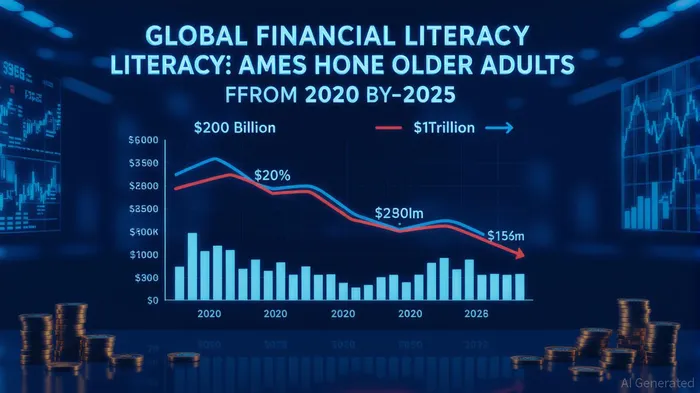
As the global population ages, a quiet crisis is unfolding: financial literacy rates among older adults have plummeted to below 60%, a stark drop from 69.5% in 2020. This decline, driven by cognitive aging, digital disengagement, and inadequate educational resources, is creating a perfect storm for retirement planning. With 78% of retirees underestimating their life expectancy and $28 billion in U.S. scam losses reported in 2023 alone, the stakes for long-term financial resilience have never been higher.
The Crisis of Declining Financial Literacy
The erosion of financial literacy among older adults is not merely a personal failing but a systemic risk. Retirees struggling to manage complex portfolios or navigate longevity-linked products are increasingly vulnerable to outliving their savings. This vulnerability is compounded by the rising cost of healthcare and the strain on pension systems. For example, the U.S. Social Security Trust Fund faces a projected shortfall by 2034, a timeline that aligns with the retirement of the baby boomer generation. Similarly, Japan and Germany—nations with aging demographics and underfunded pensions—are grappling with solvency challenges that rippleXRP-- across global markets.
Systemic Risks and Pension Vulnerabilities
The consequences of this literacy gap extend beyond individual households. Pension systems, healthcare infrastructure, and social safety nets are under pressure as retirees fail to optimize personal savings. In the U.S., for instance, the average retiree's portfolio is often misaligned with their lifespan, leading to premature depletion of assets. This misalignment exacerbates the fiscal strain on public programs like Medicare and Social Security, creating a feedback loop of underfunding and rising costs.
Investors must recognize that these systemic risks are not abstract. They are embedded in the very fabric of global markets. The U.S. SECURE Act 2.0, which promotes longevity-focused products like annuities, is a policy response to this crisis. Annuities, which provide guaranteed lifetime income, are now projected to grow at a staggering rate, with the market expected to expand from $200 billion in 2023 to $1 trillion by 2030.
The Rise of Longevity-Focused Financial Products
Innovative financial instruments are emerging to address the longevity risk faced by retirees. Longevity bonds, which adjust payouts based on life expectancy, are gaining traction among institutional investors seeking to hedge demographic uncertainties. These products not only offer retirees a stable income stream but also provide investors with a unique opportunity to capitalize on the aging population's needs.
Moreover, the fintech sector is playing a pivotal role in bridging the literacy gap. AI-driven platforms like Betterment and Personal Capital are introducing age-specific retirement planning tools, while fraud detection systems are helping seniors avoid scams. The global fintech market, valued at $750 billion in 2023, is projected to grow at a 16.2% CAGR, reaching $1.13 trillion by 2025. This growth reflects a surge in demand for solutions tailored to older adults.
Investment Opportunities in the Aging Population
The aging demographic presents a $15 trillion market opportunity, spanning sectors such as senior housing, AI fintech, and longevity-linked products. Senior housing real estate investment trusts (REITs) are particularly attractive, as demand for age-friendly housing surges. Similarly, AI fintech companies that develop user-friendly interfaces for older adults are poised for growth. Emerging markets with rapidly aging populations, such as India and Brazil, also offer untapped potential for investors willing to navigate regulatory complexities.
However, these opportunities come with risks. Investors must prioritize companies that demonstrate a clear understanding of the aging population's unique needs. For example, firms that integrate AI-driven financial coaching tools into their platforms are better positioned to succeed than those relying on traditional models.
The Need for Education and Policy Reforms
While market-driven solutions are critical, they cannot replace the need for targeted education and policy reforms. Community-based programs that partner with organizations like AARP to deliver financial literacy training can empower older adults to make informed decisions. Policymakers, too, must act to simplify retirement products and enforce stricter regulations against scams targeting vulnerable populations.
For investors, this means supporting initiatives that align with long-term societal goals. Impact investments in financial literacy programs or partnerships with fintech firms that prioritize user education can yield both financial returns and social value.
Conclusion: A Call for Strategic Resilience
The decline in financial literacy among older adults is a ticking time bomb for retirement security. Yet, within this crisis lies a profound opportunity: to invest in solutions that mitigate risk, enhance longevity planning, and build a more resilient financial ecosystem. By focusing on longevity-focused products, AI-driven fintech, and age-friendly infrastructure, investors can navigate the "silver tsunami" while contributing to a more secure future for aging populations.
As the market evolves, the key to success will lie in balancing innovation with education. Those who act now—whether through strategic investments in annuities, REITs861104--, or fintech—will not only hedge against systemic risks but also position themselves to thrive in an ageing world.

Delivering real-time insights and analysis on emerging financial trends and market movements.
Latest Articles
Stay ahead of the market.
Get curated U.S. market news, insights and key dates delivered to your inbox.






Comments
No comments yet