
The Silver Tsunami: How Fintech Can Save Retirement Security in an Aging World
 Aime Summary
The global population is aging at an unprecedented rate. By 2025, 15% of the world's population will be 65 or older, and the U.S. alone will add 7.5 million seniors in just four years. Yet, this demographic shift is colliding with a silent crisis: declining financial literacy among older adults. With financial literacy rates for those aged 65+ rebounding to 49.2% in 2025, the annual 1% decline post-65 creates a compounding risk. This erosion of financial acumen is not just a personal vulnerability—it's a systemic threat to retirement systems worldwide.
The Perfect Storm of Aging and Illiteracy
The data paints a dire picture. Only 31% of U.S. adults aged 50–75 passed a basic retirement literacy test in 2023, with those holding less than $100,000 in savings scoring even lower (25%). Globally, 27% of adults are financially literate, and in countries like Guatemala and Nigeria, 74% of elderly populations lack basic financial knowledge. This crisis is exacerbated by the rise in elder financial exploitation, which cost $36 billion globally in 2023, with U.S. seniors accounting for $28 billion of that total.
The stakes are existential. Seniors with declining financial literacy are 30% more likely to fall victim to scams, and 25% of U.S. retirees over 70 lack annuities to hedge against longevity risk. This creates a $25 trillion gap in longevity-linked financial products—a chasm that threatens to destabilize both individual households and broader economies.
Fintech as the Lifeline: Innovations in Retirement Security
The solution lies in fintech. Emerging tools are redefining retirement planning for aging populations, blending AI, behavioral nudges, and novel financial instruments to address both literacy gaps and longevity risk.
1. Annuities and Longevity Bonds: Structured Income for Uncertain Futures
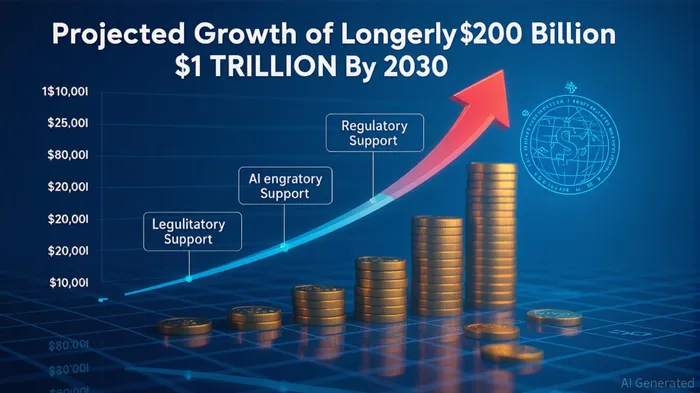
Fixed-Indexed Annuities (FIAs) and longevity bonds are gaining traction as critical tools for retirees. FIAs, which now manage $430 billion in assets, offer downside protection while participating in market gains. Single-premium immediate annuities (SPIAs) now account for 25% of U.S. retirement savings for households over 70. Meanwhile, longevity bonds—projected to grow from $200 billion to $1 trillion by 2030—tie payouts to life expectancy trends, providing income streams that adapt to demographic shifts.
2. AI-Driven Robo-Advisors: Personalized Guidance for Aging Populations
Platforms like Betterment and Wealthfront are leveraging AI to deliver hyper-personalized retirement strategies. These tools adjust for healthcare costs, detect fraud in real time, and simplify complex decisions. Vanguard's research shows that automatic enrollment and contribution escalation features increase retirement plan participation by 34%, underscoring the power of behavioral nudges. In China, AI-driven platforms like Zheshang E-Finance have boosted self-funded retirement planning by 15–20% among low-literacy households.
3. Health-Integrated Financial Planning: A New Frontier
Innovations like Bank of America's Erica app use biometric data to adjust annuity payouts based on health metrics, merging financial and healthcare planning. This holistic approach not only mitigates longevity risk but also addresses the rising costs of elder care.
Investment Opportunities in the Longevity Economy
For investors, the aging population and fintech revolution present a $10 trillion opportunity. Key strategies include:
- Allocate 10–15% of retirement assets to SPIAs or longevity bonds: These instruments provide downside protection and structured income, countering the risks of outliving savings.
- Invest in fintech innovators: Companies like Betterment and Wealthfront are leading the charge in AI-driven retirement planning. The AI in fintech sector is projected to reach $17.79 billion by 2032.
- Support ESG-focused ETFs: Funds aligning with AI-driven platforms and financial literacy trends are gaining traction, offering both ethical and financial returns.
Policy and Regulatory Tailwinds
Regulatory frameworks are evolving to support these innovations. Japan's annuity disclosure mandates increased adoption by 15%, while U.S. SEC ESG mandates and China's pension reforms are accelerating fintech adoption. Investors should monitor tax incentives for annuities and mandatory financial education policies, which could further catalyze market growth.
Conclusion: A Call to Action
The aging population and declining financial literacy are not just challenges—they are catalysts for reinventing retirement security. Financial institutionsFISI-- and investors who deploy fintech solutions, advocate for policy reforms, and prioritize human-centric design can mitigate systemic risks while unlocking a $10 trillion longevity-linked market. The time to act is now. By combining AI, behavioral design, and financial innovation, we can ensure that the next chapter of retirement is one of resilience, not ruin.

Delivering real-time insights and analysis on emerging financial trends and market movements.
Latest Articles
Stay ahead of the market.
Get curated U.S. market news, insights and key dates delivered to your inbox.






Comments
No comments yet