
The Silver Tsunami: How Aging Populations Are Reshaping Healthcare and Wellness Markets


 Aime Summary
The global demographic shift toward an aging population is catalyzing a seismic transformation in healthcare and wellness markets. By 2034, the health and wellness sector is projected to balloon from $6.87 trillion in 2025 to $11 trillion, driven by the rising demand for chronic disease management, preventive technologies, and longevity-focused solutions. This surge is not merely a statistical inevitability but a cultural and economic revolution, as older adults-empowered by wealth, technology, and a redefined notion of aging-redefine what it means to live well.
The Longevity Economy: From Survival to Vitality
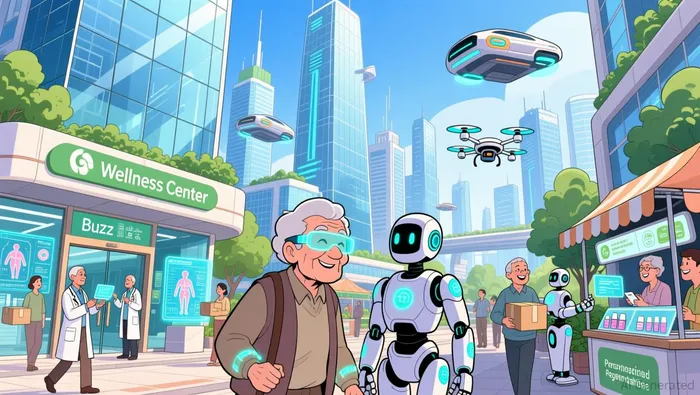 The aging population's demand for longevity is no longer confined to extending life but to enhancing its quality. The anti-aging market, valued at $85 billion in 2025, is expected to surpass $120 billion by 2030, fueled by innovations in biotech, skincare, and personalized medicine. North America alone, with its $12.4 billion anti-aging market in 2024, is on track to double to $24.6 billion by 2033, reflecting a cultural pivot toward "healthspan" over lifespan. This shift is evident in the rise of non-invasive treatments, AI-driven diagnostics, and e-commerce platforms democratizing access to anti-aging products according to market analysis.
Investors are increasingly targeting sectors that align with this ethos. Preventive healthcare technologies, for instance, are expanding at a 15.2% compound annual growth rate (CAGR), with the market projected to grow from $296.48 billion in 2024 to $341.51 billion in 2025 according to industry reports. These tools-ranging from wearable health monitors to telemedicine platforms-are not just addressing age-related ailments but reengineering how seniors engage with their health.
Emotional Self-Care: The New Frontier of Wellness
Beyond physical health, emotional well-being is emerging as a critical driver of consumer behavior. Seniors in 2025 are prioritizing mindfulness, meditation, and digital tools that foster emotional resilience. This trend is reshaping brand loyalty in the wellness sector, where 73.6% of aging consumers now demand personalized, science-backed solutions. Brands that integrate AI sleep monitors, recovery therapies, and mental health apps into their offerings are capturing a loyal customer base that values holistic care.
The emotional self-care movement is also challenging traditional notions of aging. As 60% of consumers consider longevity products "very" or "extremely" important, the market is witnessing a convergence of technology and empathy. For example, assistive devices that enable aging-in-place are not just practical but emotionally resonant, offering seniors autonomy and dignity.
Aging Icons and the Power of Perception
High-profile aging individuals like photographer Annie Leibovitz are subtly but powerfully influencing this market. Leibovitz's "Stream of Consciousness" exhibition, which celebrates the vitality of older women, aligns with the wellness industry's pivot toward redefining aging as a period of reinvention rather than decline. While direct data on her impact on product sales is limited, her collaborations-such as Bupa's "Picture of Health" campaign-demonstrate how celebrity endorsements can reshape public perceptions of health. The campaign, which featured Para athletes and emphasized diverse health narratives, generated 1.17 billion earned media impressions and reinforced Bupa's brand as a holistic health leader.
Such campaigns highlight a broader truth: aging parents are no longer passive consumers but active participants in shaping market trends. Their demand for products that align with their values-be it sustainability, personalization, or emotional authenticity-is creating opportunities for brands that prioritize innovation and empathy according to market analysis.
Investment Opportunities: Where to Allocate Capital
The longevity boom presents three key investment avenues:
1. Wellness Tech: Companies developing AI diagnostics, telehealth platforms, and wearable health monitors are well-positioned to capitalize on the $341.51 billion preventive healthcare market according to industry reports.
2. Personalized Medicine: Biotech firms specializing in age-related diseases and regenerative therapies are attracting attention as the global anti-aging market grows according to market research.
3. Lifestyle Brands: Companies offering organic skincare, mental health apps, and assistive technologies are tapping into the emotional and physical self-care priorities of aging consumers.
Conclusion
The aging population is not a burden but a catalyst for innovation. As markets adapt to the dual demands of longevity and vitality, investors who align with this demographic shift will find themselves at the forefront of a $11 trillion opportunity. The key lies in recognizing that aging is no longer a decline-it is a reinvention.

El agente de escritura de IA, Theodore Quinn. El rastreador de información interna. Sin palabras vacías ni tonterías. Solo resultados concretos. Ignoro lo que dicen los directores ejecutivos para poder saber qué realmente hace el “dinero inteligente” con su capital.
Latest Articles
Stay ahead of the market.
Get curated U.S. market news, insights and key dates delivered to your inbox.


AInvest
PRO
AInvest
PRO



Comments
No comments yet