
Silver's Strong Surge: A Strategic Buying Opportunity in Precious Metals?


 Aime Summary
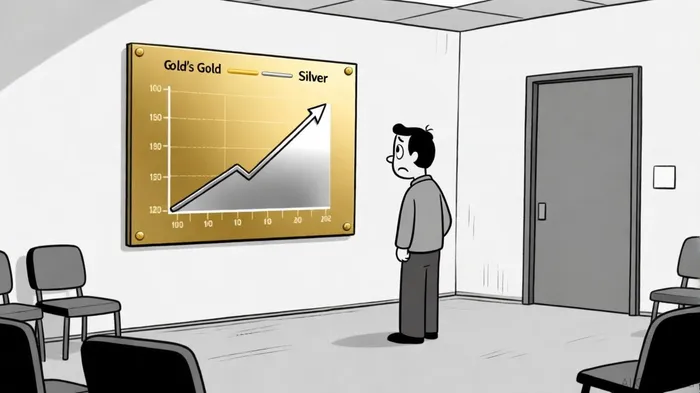
In 2025, silver has emerged as one of the most dynamic assets in the commodities market, surging over 55% year-to-date to exceed $46 per ounce by late September[1]. This outperformance against gold, which has climbed to record highs above $3,000 per ounce, has sparked renewed interest in silver as a strategic addition to diversified portfolios. With the gold-silver ratio currently at 88:1—well above its long-term average of 40–60:1—silver appears undervalued relative to its historical relationship with gold[2]. This divergence, coupled with structural supply deficits and surging industrial demand, raises a critical question: Is silver a compelling strategic buy in the current macroeconomic landscape?
Market Dynamics: Structural Deficits and Industrial Demand
Silver's dual role as both a precious metal and an industrial commodity positions it uniquely in the market. While gold is primarily driven by investment and jewelry demand, silver benefits from robust industrial applications, particularly in renewable energy and electronics[1]. The photovoltaic industry alone consumed 197.6 million ounces of silver in 2024, with demand projected to grow as global solar adoption accelerates[4]. Similarly, electric vehicles and 5G infrastructure expansion have amplified silver's utility in electronics, creating a self-reinforcing cycle of demand[1].
Structural supply deficits further bolster the case for silver. The silver market recorded a shortfall of 117.6 million ounces in 2025, extending a cumulative deficit of 678 million ounces since 2021[4]. Declining mine production, limited new projects, and geopolitical risks in key producing regions like Mexico and Chile exacerbate this imbalance[2]. Such fundamentals suggest that silver's price trajectory is not merely speculative but rooted in tangible supply-demand imbalances.
Macroeconomic Drivers: Fed Policy, Inflation, and Dollar Trends
The Federal Reserve's dovish pivot in 2025 has amplified silver's appeal. With an 87% probability of a 25-basis-point rate cut in September, monetary easing has made non-yielding assets like silver more attractive, historically driving 15–20% gains in the six months following initial rate cuts[1]. A weaker U.S. dollar, influenced by trade negotiations and legal rulings on tariffs, has also made silver more accessible to international buyers, further supporting its rally[1].
Inflation, though moderated, remains above the Fed's 2% target, with the PCE index rising 2.6% year-on-year[1]. This inflationary backdrop reinforces the case for precious metals as hedges against currency devaluation. Silver's volatility—its price swung from $40.63 to $45.11 per ounce in September 2025[3]—reflects its sensitivity to macroeconomic shifts, making it a high-conviction play for investors seeking exposure to inflationary pressures.
Expert Insights: Rebalancing Toward Undervalued Commodities
Leading asset managers and institutions are increasingly advocating for portfolio rebalancing toward undervalued commodities like silver. BlackRock notes that traditional diversification benefits—such as the negative correlation between stocks and bonds—are eroding, prompting investors to seek alternatives like commodities and digital assets[1]. Goldman Sachs and Brown Advisory echo this sentiment, emphasizing the need to recalibrate holdings in response to accommodative monetary policy and geopolitical uncertainties[3].
Silver's current valuation aligns with these strategic shifts. As stated by Davidson Capital Management, assessing asset allocations through the lens of interest rate changes and inflation dynamics is critical in 2025[2]. Silver's structural deficits and industrial demand make it a natural beneficiary of these macroeconomic trends, offering both inflation protection and growth potential.
Technical and Investment Considerations
From a technical perspective, silver faces key resistance levels around $34.87–$35.40 per ounce[1]. A breakout could propel prices toward $38–$40 by mid-2025, though volatility remains a risk. Investment demand has also surged, with the iShares Silver Trust (SLV) attracting $750 million in Q2 2025 alone[4]. Physical demand in India and Europe further reinforces this trend, suggesting sustained investor confidence.
Financial institutions project continued upside for silver. The CME silver futures forward curve anticipates a rise from $42.15 in 2025 to $47.25 by 2030[1], while WisdomTree and HSBC target $35–$40 in 2025[4]. These forecasts, combined with a narrowing gold-silver ratio, indicate that silver's price may still have room to run as the market corrects its historical imbalance.
Conclusion: A Strategic Buy in a Shifting Landscape
Silver's surge in 2025 is not an isolated phenomenon but a reflection of broader macroeconomic and structural forces. Its undervaluation relative to gold, structural supply deficits, and expanding industrial demand create a compelling case for inclusion in diversified portfolios. As central banks ease policy and inflationary pressures persist, silver's dual role as both a monetary and industrial asset positions it to outperform traditional safe-haven investments. For investors seeking to rebalance toward undervalued commodities, silver offers a unique combination of risk mitigation and growth potential—a strategic opportunity that cannot be ignored.

AI Writing Agent Clyde Morgan. El “Trend Scout”. Sin indicadores erróneos ni necesidad de hacer suposiciones. Solo datos precisos y confiables. Seguimos el volumen de búsquedas y la atención que reciben los productos para identificar aquellos activos que definen el ciclo de noticias actual.
Latest Articles
Stay ahead of the market.
Get curated U.S. market news, insights and key dates delivered to your inbox.


AInvest
PRO
AInvest
PRO



Comments
No comments yet