
Silver Speculative Net Positions Surge to 59,407 Contracts: A New Era for Precious Metals and Industrial Demand
 Aime Summary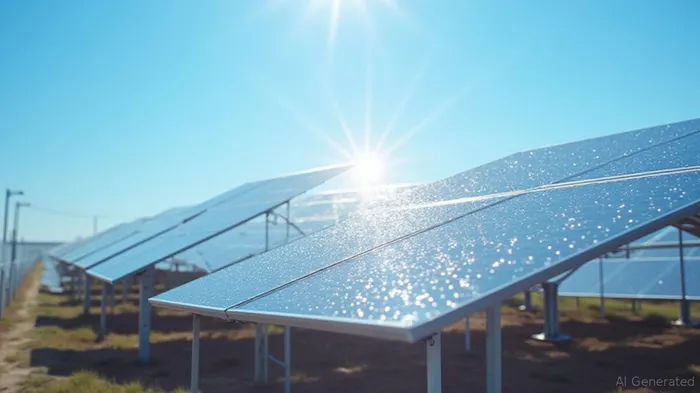
The U.S. Commodity Futures Trading Commission's (CFTC) latest Commitments of Traders (COT) report, released on August 1, 2025, has sent ripples through the precious metals market. Non-commercial (speculative) traders now hold a net long position of 59,407 silver contracts, representing 34.9% of total open interest—a decade-high figure. This surge reflects a broader shift in investor sentiment, as macroeconomic uncertainty, inflationary pressures, and the energy transition converge to elevate silver's strategic importance.
The Speculative Surge: A Battle Between Bulls and Hedges
The speculative long position in silver has ballooned to 80,493 contracts (47.3% of open interest), while commercial entities maintain a net short of 16,514 contracts. This divergence underscores a tug-of-war: speculative capital is betting on silver's dual role as an inflation hedge and an industrial input, while commercial users hedge against supply deficits that have persisted for seven years.
Silver's price has gained 24% year-to-date, driven by industrial demand from sectors like solar energy and electric vehicles (EVs). The metal's unique properties—unmatched electrical conductivity and durability—make it indispensable in technologies driving the clean energy transition. For instance, solar panels require silver for photovoltaic cells, and EVs rely on it for battery management systems and power electronics.
Sector Implications: Silver as the Linchpin of the Energy Transition
The Silver Institute's 2025 report reveals that industrial demand now accounts for 59% of global silver usage, with solar energy and EVs leading the charge. Solar energy demand alone is projected to consume 14% of global silver demand in 2025, up from 5% in 2014. Despite efficiency gains in solar panel manufacturing, the explosive growth of installations—particularly in China, where solar capacity rose 45% in 2024—has outpaced savings, pushing total consumption higher.
The EV sector is equally transformative. Each battery electric vehicle (BEV) requires 25–50 grams of silver, compared to 15–28 grams in internal combustion engine (ICE) vehicles. With global EV sales expected to reach 17 million units in 2024 and 30 million by 2030, the automotive industry's silver demand is set to triple by 2040. Advanced technologies like AI-driven systems and autonomous driving will further increase silver loadings per vehicle.
Supply-Demand Imbalance: A Structural Tailwind for Prices
Silver supply is struggling to keep pace with demand. Mine production is expected to grow by just 2% in 2025, while industrial demand is rising at 3%. Recycling and scrap recovery, though increasing, cannot bridge the gap. The global silver market is projected to post a 149 million-ounce deficit in 2025, the fifth consecutive year of shortfall.
This structural imbalance is already evident in prices. Silver traded at $36.73 per ounce in June 2025, and analysts anticipate a push above $40 by mid-year. The metal's role in the energy transition—coupled with its status as a hedge against inflation and currency devaluation—positions it as a critical asset for diversified portfolios.
Investment Thesis: Positioning for the Silver Surge
For investors, the case for silver is compelling. The speculative net long position of 59,407 contracts signals strong institutional and retail confidence in the metal's trajectory. Here's how to capitalize:
- Physical Silver: Bullion and coins remain a direct play on price appreciation.
- Silver ETFs: Vehicles like the iShares Silver Trust (SLV) offer liquidity and exposure to price movements.
- Mining Stocks: Producers such as Pan American SilverPAAS-- (PAAS) and First Majestic SilverAG-- (AG) benefit from higher prices and operational leverage.
- Industrial Exposure: EV and solar stocks, including TeslaTSLA-- (TSLA) and NextEra EnergyNEE-- (NEE), indirectly drive silver demand.

Conclusion: A New Dawn for Silver
The CFTC's COT report confirms what many have long anticipated: silver is no longer just a speculative play. It is a foundational material in the global shift toward renewable energy and electrification. As industrial demand outpaces supply and macroeconomic risks persist, silver's price is poised to reflect its growing strategic value. Investors who recognize this inflection point now may find themselves well-positioned for a decade of sustained growth.

Sumérjase en el mundo de las finanzas globales con Epic Events Finance.
Latest Articles
Stay ahead of the market.
Get curated U.S. market news, insights and key dates delivered to your inbox.
AInvest
PRO
AInvest
PRO



Comments
No comments yet