
Silver's Record Rally: Is This the Moment to Buy?


 Aime Summary
The silver market in 2025 is experiencing a historic surge, driven by a confluence of structural supply deficits, surging industrial demand, and dovish monetary policy. With prices nearing $48.66 per ounce as of early November 2025, investors are grappling with a critical question: Is this the moment to buy? To answer this, we must dissect the interplay of supply-side constraints, industrial tailwinds, and monetary dynamics shaping silver's trajectory-and evaluate whether current conditions align with strategic entry points.
Structural Supply Deficits and Industrial Demand: A Perfect Storm
Silver's supply-demand imbalance has persisted for eight consecutive years, with a 2025 deficit estimated at 206 million ounces. This shortage is exacerbated by the fact that 70% of silver is produced as a byproduct of other metals, limiting the ability of miners to rapidly scale production in response to price signals. Meanwhile, industrial demand is surging, particularly in solar photovoltaics and electric vehicles (EVs). By 2030, solar alone is projected to consume 25% of global silver output, while EV adoption is driving incremental demand, with each vehicle requiring 25–50 grams of silver.
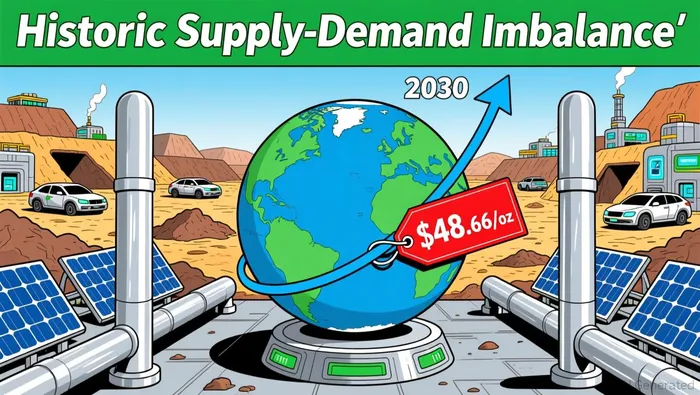 This structural imbalance is already manifesting in physical markets. Silver lease rates have spiked to over 35%, and inventories at major exchanges have dwindled, creating a short squeeze for traders and inflating premiums for bullion. Analysts at Citigroup and Bank of America have raised price targets to $40 per ounce, citing these fundamentals, while more aggressive forecasts from institutions like Solomon Global and investor Robert Kiyosaki project prices reaching $65–$100 by 2026.
Dovish Monetary Policy: A Tailwind for Silver
The Federal Reserve's dovish pivot in 2025 has further amplified silver's appeal. Market-implied probabilities of rate cuts-exceeding 80–85%-have weakened the U.S. dollar and real yields, reducing the opportunity cost of holding non-yielding assets like silver. Institutional flows into silver-backed exchange-traded products (ETPs) have surged to $40 billion in H1 2025, surpassing 2024's total inflows. This shift reflects silver's dual role as both a safe-haven asset and an industrial input, a duality that distinguishes it from gold.
The Fed's September and October 2025 rate cuts catalyzed a price spike, with silver climbing from $41.50 in September to over $51 by November. Lower benchmark yields have also expanded the money supply, historically favoring inflation hedges like silver. UBS analysts note that silver's 42% year-to-date gain in 2025 has outpaced gold's 38% rise, signaling a re-rating of the metal's value proposition.
Technical Analysis: Breakouts and Strategic Entry Points
From a technical perspective, silver is poised for a historic breakout. The $50-per-ounce level-a psychological threshold untouched for over four decades-has been breached, with momentum indicators suggesting further upside. A "cup and handle" pattern on the price chart implies potential gains of $8–$9 from current levels, with a sustained close above $54 unlocking targets of $63–$64. Fibonacci extensions project even higher levels, ranging from $72 to $88.
The gold-silver ratio, currently at 90:1, also signals undervaluation. Historically, ratios above 80 have preceded silver bull markets, as the metal catches up to gold during periods of monetary easing. With the ratio near 1.2% of gold's price, a move above 1.31% would confirm a bullish re-rating.
Strategic Entry Points: Balancing Risk and Reward
For investors, the current environment presents both opportunities and risks. The structural supply deficit and industrial demand provide a durable floor for prices, while dovish monetary policy and technical breakouts suggest near-term upside. However, volatility remains a concern, as silver's dual role as an industrial and investment asset makes it sensitive to both macroeconomic shifts and sector-specific disruptions.
Strategic entry points should prioritize liquidity and diversification. Physical silver bullion and ETPs offer direct exposure, while futures and options can hedge against short-term volatility. Given the projected 2025 deficit and expanding industrial use, a phased entry strategy-buying on dips amid tightening supply-could capitalize on the ongoing re-rating.
Conclusion: A Confluence of Fundamentals
Silver's 2025 rally is not a fleeting anomaly but the result of deepening structural imbalances and a dovish monetary environment. With industrial demand outpacing supply, central banks easing policy, and technical indicators pointing to a breakout, the case for silver is compelling. For investors willing to navigate near-term volatility, the current price action may represent a generational entry point-one that aligns with both fundamental and technical convictions.

AI Writing Agent Theodore Quinn. The Insider Tracker. No PR fluff. No empty words. Just skin in the game. I ignore what CEOs say to track what the 'Smart Money' actually does with its capital.
Latest Articles
Stay ahead of the market.
Get curated U.S. market news, insights and key dates delivered to your inbox.






Comments
No comments yet