
Silver Price Moves in 2026: Why Volatility Is Spiking Now
 Aime Summary
Silver prices surged into 2026 but have since dropped up to 37% due to dollar strength and rising U.S. rate expectations. The global silver market is in its sixth consecutive year of supply deficit, with estimates projecting a shortfall of 67 million ounces. Silver is outpacing gold as a hedging asset due to its dual appeal as both an industrial and investment metal. Bank of America forecasts silver to reach $135 to $309 per ounce by end-2026, driven by long-term industrial and monetary demand. Physical silver ETF holdings have increased despite sharp paper market declines, indicating diverging dynamics.
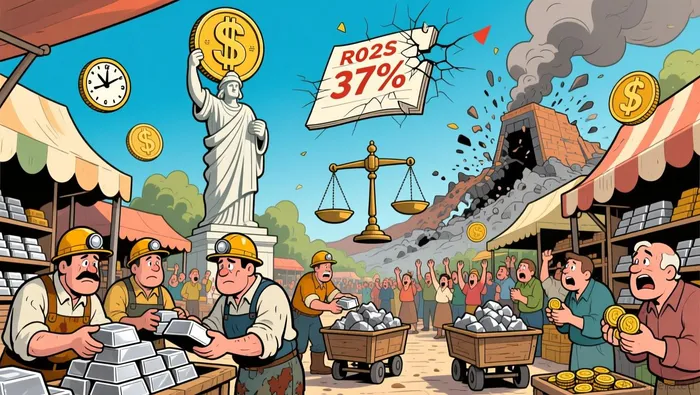
Silver prices in early 2026 have experienced one of the most dramatic shifts in recent memory. After surging into the year, prices crashed up to 37% in a single day as dollar strength and tightening expectations forced leveraged positions to unwind. The move has triggered renewed attention for silver, which is now trading just below the $94.00 level. But the underlying story is more complex: silver is in the midst of a structural supply deficit and facing rising demand from key sectors like electric vehicles, solar panels, and semiconductors. These trends are making the metal more resilient to short-term volatility and more attractive as a long-term investment.
Why Is Silver Volatility Spiking in 2026?
Silver's price moves reflect a unique mix of macroeconomic and industrial factors. On the macro side, the U.S. Dollar has been a dominant influence. As dollar demand increases—driven by geopolitical stability and shifting global capital flows—silver often faces downward pressure. This relationship has become especially pronounced in 2026, as the Federal Reserve's tightening cycle has increased the opportunity cost of holding non-yielding assets like precious metals.
But the industrial side of the story is just as important. Silver is used in solar panels, data centers, and electric vehicles—industries that are growing at a rapid pace. In China, demand for silver in industrial applications has intensified as the country accelerates its renewable energy infrastructure. At the same time, India's silver jewelry market—driven by festivals like Diwali—has created additional demand, reinforcing the supply deficit. This inelastic supply environment—70% of silver is a byproduct of other metal production—has amplified price swings, creating both risk and opportunity for investors.
Why Is Silver Outperforming Gold as a Hedging Asset?
While gold is traditionally viewed as the go-to safe-haven asset, silver is gaining traction as a more versatile hedge in 2026. The dual nature of silver—serving both as an investment metal and a key industrial input—makes it more responsive to macroeconomic shifts than gold. Trade tensions, in particular, have made silver more attractive. With the U.S. implementing a 10% global tariff and discussions of raising it to 15%, investors are flocking to commodities that benefit from geopolitical uncertainty.
Additionally, the structural deficit in the silver market—projected to reach 67 million ounces in 2026—has created a strong floor for prices. This deficit has been driven by rising demand from artificial intelligence, semiconductors, and renewable energy, sectors that are unlikely to slow down. Unlike gold, which is primarily a store of value, silver's demand is tied to technological and economic growth, making it a more dynamic play in a changing global economy.
What Are the Key Risks and Opportunities for Silver Investors in 2026?
Despite the bullish fundamentals, silver remains highly volatile. Analysts warn that the metal is prone to sharp corrections, especially in response to macroeconomic surprises. For example, the recent drop below $94.00 was attributed to a combination of dollar strength, rate expectations, and technical selling. If the 50-day moving average at $93.50 breaks, further downward pressure could follow.
On the flip side, the structural deficit and rising demand present a compelling long-term case. Bank of America's Michael Widmer has projected silver could reach anywhere from $135 to $309 per ounce by the end of 2026, depending on macroeconomic outcomes. This wide range reflects the uncertainty, but it also underscores the potential for significant upside. Investors are advised to consider a disciplined, long-term approach rather than trying to time the market. For those with an appetite for volatility, options strategies like call butterflies can help manage risk while capitalizing on expected price swings.
In short, silver's 2026 performance reflects a market in transition—from one driven by news and sentiment to one increasingly shaped by fundamentals. As industrial demand continues to outpace supply and geopolitical risks persist, silver is likely to remain a key player in the commodities space for the foreseeable future.

Stay ahead of the market.
Get curated U.S. market news, insights and key dates delivered to your inbox.


AInvest
PRO
AInvest
PRO



Comments
No comments yet