
Silver at the Crossroads: Geopolitical Tensions and Industrial Demand Fuel a Volatile Yet Promising Outlook


 Aime Summary
The global silver market in 2025 is a study in paradoxes. On one hand, it is a victim of geopolitical chaos—mining bans in Mexico, anti-mining protests in Peru, and arbitration battles in Poland have created a minefield of regulatory uncertainty. On the other, it is a beneficiary of the energy transition, with demand surging from solar panels, electric vehicles, and advanced electronics. This collision of forces has turned silver into a high-stakes investment, where volatility is not just a risk but a feature of the landscape.
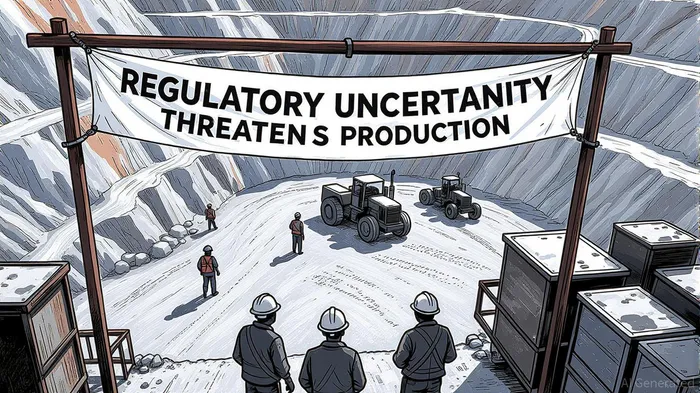
Geopolitical Tensions: A Supply Chain Time Bomb
Mexico, the world's largest silver producer, is at the epicenter of this turmoil. A proposed ban on open-pit mining—responsible for 60% of the country's output—has sparked legal battles and arbitration cases under the Energy Charter Treaty. Regulatory uncertainty, compounded by budget cuts to geological services and a freeze on new concessions since 2018, has pushed the global silver supply deficit to 149 million ounces, per the U.S. Geological Survey.
Peru, the second-largest producer, faces its own crisis. Anti-mining protests and environmental litigation have stalled projects critical to meeting demand. Meanwhile, China's dominance in refining (57% of global capacity) has created bottlenecks, as export controls and resource allocation policies distort supply chains. The GreenX Metals v. Poland arbitration case, which awarded £435 million in compensation for regulatory interference, underscores how even stable jurisdictions are not immune to geopolitical risk.
The U.S.-China trade war adds another layer of complexity. Tariffs peaking at 145% and 125% respectively have disrupted rare earth element supply chains, indirectly affecting EV and solar production—sectors now accounting for 45% of global silver demand. Russia's pivot to the BRICS bloc has further fragmented markets, creating pricing opacity and distorting traditional signals.
Industrial Demand: A Structural Deficit with No Quick Fix
The energy transition has turned silver into a critical commodity. Solar panels alone require 20 grams of silver per module, while EVs use 10 times more silver than traditional vehicles. Yet supply growth is lagging. Older mines are depleting, and new projects face permitting delays. The U.S. Department of Energy's inclusion of silver in its 2025 Critical Minerals List signals its strategic importance, but this classification may take years to translate into policy support.
The structural deficit—projected to reach 182 million ounces in 2024—means even minor disruptions could trigger sharp price spikes. COMEX silver warehouse stocks have plummeted 70% since 2021, and with recycling rates at just 5%, the market is highly sensitive to incremental demand. The gold-silver ratio, currently at 85:1 (well above the historical average of 67:1), suggests silver is undervalued relative to gold, drawing institutional investors seeking both inflation hedges and industrial exposure.
Investor Behavior: Hedging a High-Stakes Game
Investors are adapting to this volatility with a mix of caution and opportunism. ETF inflows into the iShares Silver Trust (SLV) hit 95 million ounces in the first half of 2025 alone, pushing prices up 56.7% since 2023. Physical silver premiums have surged, while mining equities in stable jurisdictions like Canada and Australia trade at a premium to their peers in politically risky regions.
The road ahead is fraught with uncertainty. Analysts project silver prices could reach $40–$52.50 per ounce by 2026, driven by inelastic supply and the energy transition. However, regulatory shifts in Mexico or Peru could derail these forecasts. For investors, the key is balancing exposure to industrial demand with hedging against political instability.
Strategic Recommendations: Navigating the Crossroads
- Diversify Exposure: Allocate to a mix of physical silver, ETFs like SLVSLV--, and ESG-compliant mining equities. Companies in stable jurisdictions (e.g., Canada's First Majestic Silver or Australia's Silver Lake Resources) offer lower risk.
- Hedge with Derivatives: Use futures and options to mitigate price swings, particularly as geopolitical tensions persist.
- Monitor Arbitration Risks: Track arbitration cases in Poland and Mexico, which could reshape regulatory landscapes.
- Engage in Policy Advocacy: Support initiatives that promote regulatory clarity in key producing regions.
The silver market is no longer just a commodity play—it is a barometer of global political and economic health. For those willing to navigate its complexities, the rewards could be substantial. But as with any high-stakes game, preparation and adaptability are paramount.

Blending traditional trading wisdom with cutting-edge cryptocurrency insights.
Latest Articles
Stay ahead of the market.
Get curated U.S. market news, insights and key dates delivered to your inbox.


AInvest
PRO
AInvest
PRO



Comments
No comments yet