
Silk Road Founder Ross Ulbricht Sentenced to Life for Bitcoin-Fueled Dark Web Marketplace
Ross Ulbricht, a Texas native and physics graduate, founded Silk Road in 2011, a dark web marketplace that revolutionized the way illegal drugs and other contraband were marketed on the internet. Operating under the alias “Dread Pirate Roberts,” Ulbricht utilized the digital currency Bitcoin to create a hidden online marketplace that was beyond the control of governments and courts. The platform was constructed on the Tor network, designed to obscure both users and servers.
Silk Road prohibited the sale of weapons, child pornography, and stolen goods, but otherwise, anything was fair game for sale—most of it drugs. The platform's revolutionary aspect was its functionality, which mirrored that of a regular e-commerce site, complete with user reviews, escrow payments, and dispute resolution. In just two years, the website generated over $1.2 billion in revenue, with Ulbricht reportedly pocketing around $28.5 million in commission. The platform was later described as “the most sophisticated criminal marketplace on the internet.”
Ulbricht's reign came to an end in October 2013 when he was arrested by federal agents in a San Francisco library. The arrest was meticulously timed to prevent him from encrypting or deleting incriminating files. Authorities uncovered private logs, chat histories, and journals that connected Ulbricht to his alias, Dread Pirate Roberts. Prosecutors also claimed that he attempted to hire hitmen to silence potential informants, although no murders were carried out.
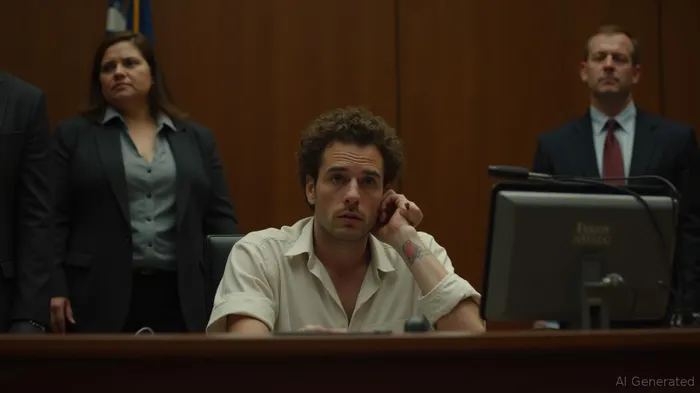
In 2015, Ulbricht was convicted on seven charges, including conspiracy to traffic narcotics and money laundering. The court sentenced him to two life terms plus 40 years, with no chance of parole. Supporters of Ulbricht argue that he was a non-violent libertarian idealist who believed in individual freedom and voluntary trade. Many crypto and privacy advocates rallied behind his cause, viewing him as a scapegoat punished too harshly for building a technology that challenged government control. Over 100 people, including family, friends, and law professors, wrote letters to the judge requesting leniency. However, the court cited the potential harm caused by Silk Road, particularly users who died of overdoses linked to drugs sold on the platform.
Ulbricht’s use of Bitcoin was groundbreaking. Silk Road proved, for the first time, that cryptocurrency could fuel a large-scale, anonymous economy. It was one of the earliest real-world use cases for Bitcoin, though one that earned it a reputation linked to crime. Law enforcement later seized over 144,000 BTC from Ulbricht’s laptop, worth around $28 million at the time—over $9 billion at today’s prices. The U.S. government auctioned the assets, sparking even greater public awareness of crypto.
Ross Ulbricht remains imprisoned in Tucson, Arizona. His appeals have been denied, but a strong online campaign, Free RossROST--, continues to push for clemency. In 2021, there were rumors of a possible pardon from the President, but it never materialized. Today, the Silk Road case stands as a pivotal moment in both cybercrime history and the evolution of cryptocurrency. It forced governments to take crypto seriously—both as a tool for innovation and a challenge to law enforcement. Despite being behind bars, Ross Ulbricht’s story still resonates. To some, he’s a cautionary tale. To others, a misunderstood pioneer.

Stay ahead of the market.
Get curated U.S. market news, insights and key dates delivered to your inbox.


AInvest
PRO
AInvest
PRO



Comments
No comments yet