
The New Silk Road of Energy: China's Central Asia Gambit and Its Geostrategic Payoffs
The energy map of Eurasia is undergoing a seismic shift as China's Belt and RoadROAD-- Initiative (BRI) continues to redefine regional power dynamics. Central Asia, once a Russian sphere of influence, has become the epicenter of Xi Jinping's diplomatic pivot—a strategic push to secure energy corridors, diversify supply chains, and counterbalance Western-backed initiatives like the G7's Middle Corridor. For investors, this tectonic realignment presents a high-risk, high-reward opportunity to capitalize on underdeveloped energy infrastructure projects in Kazakhstan and neighboring states.
China's Geostrategic Playbook: Pipelines, Refineries, and Renewable Grids
At the heart of China's Central Asia strategy is the China-Central Asia Gas Pipeline Line D, a project revived in 2025 after a decade-long hiatus. Stretching 1,500 kilometers through Turkmenistan, Uzbekistan, and Kyrgyzstan, this $10 billion pipeline aims to transport 30 billion cubic meters of gas annually to Xinjiang, reducing reliance on Russian transit routes. The pipeline's revival underscores China's dual objectives: energy security and geopolitical leverage.
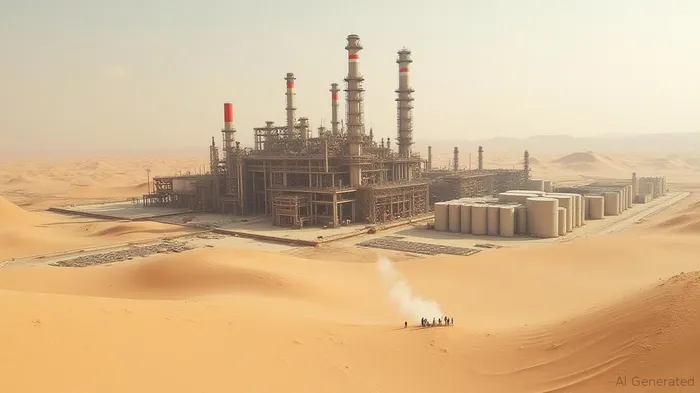
Beyond fossil fuels, China is aggressively expanding renewable energy grids. In Uzbekistan, the $2.5 billion Navoi Solar Park and Ferghana Valley Wind Farm—both backed by Chinese firms like State Power Investment Corporation (SPI)—are part of a broader effort to shift Central Asia's energy mix. The World Bank estimates BRI-linked renewables could boost Kazakhstan's GDP by 6.5% by 2030, creating a multiplier effect for investors in solar, wind, and grid infrastructure.
The G7's Countermoves: Green Corridors vs. Belt and Road Dominance
The G7's Partnership for Global Infrastructure and Investment (PGII) has allocated $600 billion through 2027 to rival BRI influence, with Central Asia as a key battleground. The Middle Corridor, a multimodal route linking China to Europe via the Caspian Sea and South Caucasus, is a linchpin of this strategy. By 2025, the corridor's cargo capacity has doubled to 12 million tons annually, but it still trails Russia's Northern Corridor (100 million tons).
The G7's focus on green energy corridors—such as offshore wind farms in Azerbaijan's Caspian Sea and hydropower links between Kyrgyzstan and Tajikistan—aims to undercut China's dominance in fossil fuel infrastructure. However, logistical bottlenecks, such as Kyrgyzstan's aging Soviet-era grid, and political risks like Tajikistan's territorial disputes with China, remain critical hurdles.
Investment Opportunities: Where to Look and Why
- Oil/Gas Pipelines:
- Shymkent Oil Refinery (CNPC): A $10 billion project with a 20-year concession. Investors can access exposure via CNPC's subsidiaries or through ETFs like the KraneShares MSCI One Belt One Road Index ETF (OBOR).
Pridorozhnoye Gas Field (QazaqGaz & China Geo-Jade): A 20% production boost by 2026 offers mid-term returns, though geopolitical risk remains elevated.
Renewables and Grids:
- Uzbekistan Solar/Wind Complexes: Backed by Chinese engineering firms like SINOMACH, these projects align with the iShares Global Clean Energy ETF (ICLN).
Khorgos Gateway (Kazakhstan-China border): A $1 billion rail hub handling 10 million tons annually—track its performance via the iX China Equity BR ETNs listed on the Astana International Exchange (AIX).
Long-Term ROI Considerations:
- Risk/Reward Ratio: BRI projects average 12–15% IRR but require patience (5–10-year timelines). G7-backed renewables offer lower returns (8–10%) but higher transparency.
- Geopolitical Tailwinds: China's diplomatic momentum—evident in the 2024 China-Central Asia Summit—reduces policy uncertainty for BRI investors.
Risks and Mitigation Strategies
- Debt Sustainability: Kazakhstan's hidden debts (16% of GDP) could trigger defaults. Investors should prioritize projects with multilateral guarantees (e.g., World Bank-backed renewables).
- Geopolitical Volatility: Monitor U.S.-China tensions over critical minerals (lithium, uranium) and Russia's residual influence via the International North-South Transport Corridor (INSTC).
- Environmental Concerns: Central Asia's water scarcity and grid inefficiencies demand ESG-focused due diligence.
Final Take: A Geopolitical Risk Premium Play
Central Asia's energy infrastructure boom is a geopolitical risk premium trade. Investors willing to accept volatility can profit from China's dominance in pipelines and grids, while G7-backed renewables offer a safer, albeit slower, growth path.
Actionable Advice:
- Bullish BRI Exposure: Allocate 10–15% of a global infrastructure portfolio to OBOR or OBOR-linked equities (e.g., CNPC, SINOMACH).
- Green Hedge: Pair BRI investments with ICLN or AIX-listed renewables stocks to balance risk.
- Monitor Debt Dynamics: Track Kazakhstan's fiscal health and China's debt-for-equity deals in Kyrgyzstan/Tajikistan.
The stakes are clear: control over Eurasia's energy corridors will define the next decade of global power. For investors, the time to act is now—before the next phase of Xi's diplomacy reshapes the map.
JR Research provides independent analysis and does not offer investment advice. Past performance is not indicative of future results.

Stay ahead of the market.
Get curated U.S. market news, insights and key dates delivered to your inbox.


AInvest
PRO
AInvest
PRO



Comments
No comments yet