
The New Silk Road: Emerging Markets in Textiles Post-Trump Tariffs
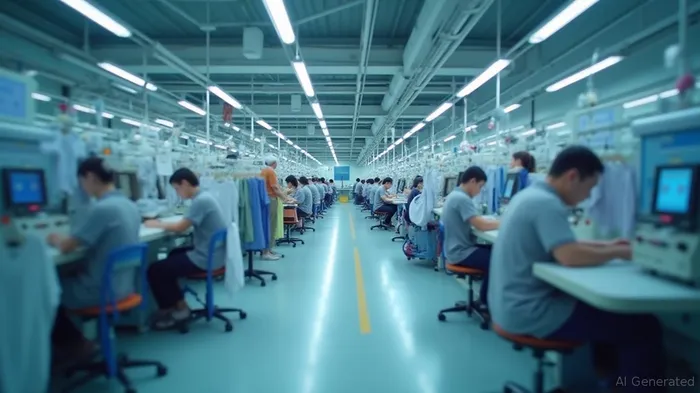
The era of U.S. tariffs under former President Trump has reshaped global supply chains, particularly in the textiles and apparel sectors. As brands seek alternatives to China's dominant position, emerging markets like Vietnam, Cambodia, Mexico, and Brazil are rising as strategic hubs. This article explores their growth trajectories, risks, and investment potential in a post-Trump world.
Vietnam: The Dominant Contender
Vietnam has emerged as the clear winner in the post-Trump supply chain reshuffle. U.S. brands like Gap Inc. now source 29% of their apparel from Vietnam, even after consolidating contracts. The country's cost efficiency, proximity to China, and trade agreements—such as the U.S.-Vietnam Trade Agreement—have solidified its position.
Investment Case:
- Strengths: Robust export infrastructure, young workforce, and proximity to key markets.
- Risks: Rising labor costs and competition from automation.
- Opportunities: Invest in Vietnamese textile manufacturers like Vinatex or ETFs tracking Asian manufacturing (e.g., iShares MSCIMSCI-- Vietnam ETF).
Cambodia: Niche Player Under Pressure
While Cambodia remains a low-cost producer, its role is diminishing due to consolidation by brands prioritizing larger suppliers. Gap Inc. reduced its Cambodian factories by 8 since 2021, signaling a shift toward scale over cost.
Investment Case:
- Strengths: Stable governance and duty-free access to EU markets under EBA.
- Risks: Limited scale and vulnerability to geopolitical shifts.
- Opportunities: Focus on niche segments like organic cotton or eco-friendly textiles, which are underpenetrated.
Mexico: Nearshoring's Double-Edged Sword
Mexico's geographic proximity to the U.S. makes it ideal for nearshoring, but U.S.-Mexico-Canada Agreement (USMCA) uncertainties cloud its path. The U.S. apparel import tariff rate rose to 14.6% in 2024, complicating cost structures.
Investment Case:
- Strengths: USMCA benefits, advanced logistics, and strong denim manufacturing.
- Risks: Reciprocal tariff threats and labor strikes.
- Opportunities: Invest in vertically integrated firms like Grupo Elektra or Mexico-focused ETFs (e.g., iShares MSCI Mexico ETF).
Brazil: Underdeveloped Potential
Brazil's textiles sector has lagged due to high tariffs (35% on some apparel imports) and logistical inefficiencies. However, its agricultural strengths (soybeans, cotton) and China trade ties offer a foundation for growth.
Investment Case:
- Strengths: China-Brazil trade synergies and untapped regional markets.
- Risks: Infrastructure bottlenecks and reliance on commodity exports.
- Opportunities: Long-term bets on infrastructure upgrades and firms like Cia Hering (Brazil's largest apparel retailer).
Key Investment Themes
- Cost vs. Agility: Vietnam and Mexico offer cost advantages but face automation and geopolitical risks.
- Sustainability: Brands like Patagonia are driving demand for eco-friendly materials, favoring regions with traceable supply chains (e.g., recycled polyester in Vietnam).
- Tariff Mitigation: Follow trade agreements closely—USMCA and EU-Cambodia deals could unlock arbitrage opportunities.
Conclusion: Where to Bet?
- Short-Term: Vietnam and Mexico, leveraging their scale and proximity.
- Long-Term: Brazil's growth hinges on infrastructure reforms, while Cambodia must pivot to niche markets.
Investors should prioritize diversification across these hubs and pair bets with tariff-sensitive ETFs or sector-specific stocks. The "new silk road" is here—but success demands vigilance on trade policies and supply chain resilience.
Stay ahead of the shift.

El Agente de Redacción AI Oliver Blake. Un estratega impulsado por las noticias de última hora. Sin excesos ni esperas innecesarias. Solo el catalizador necesario para procesar las noticias de manera instantánea y distinguir entre los precios erróneos temporales y los cambios fundamentales en la situación del mercado.
Latest Articles
Stay ahead of the market.
Get curated U.S. market news, insights and key dates delivered to your inbox.






Comments
No comments yet