
The Silent Force Behind Trump's Tariff Pause: Bond Market Vigilantes Strike Again
The U.S.-China trade war reached a boiling point in 2024 when President Donald Trump announced sweeping reciprocal tariffs aimed at pressuring Beijing. What followed, however, was not merely a geopolitical showdown—it became a dramatic clash between the White House and the bond market. Investors, through their swift dumping of U.S. Treasuries, forced a sudden policy reversal. Here’s how the “bond vigilantes” overcame the world’s most powerful political figure.
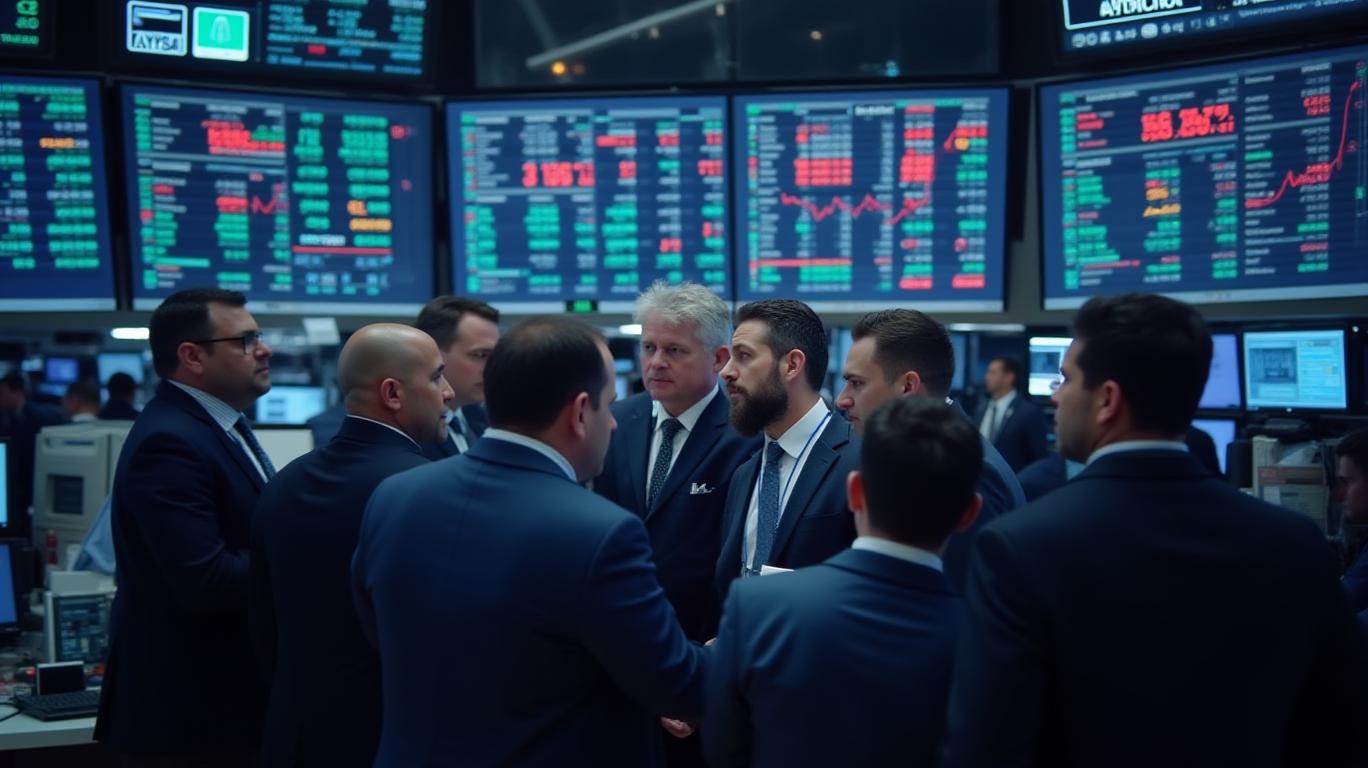
The Bond Market’s Rebellion
When Trump’s tariffs hit the headlines, bond investors reacted with alarm. The yield on the 2-year Treasury note surged by 0.3 percentage points—the largest intraday move since 2009—while the 10-year yield spiked to over 4.5%, a stark contrast to the 4.0% it had traded at just days earlier. This wasn’t mere volatility; it was a market revolt.
Economist Ed Yardeni, who coined the term “bond vigilantes” in the 1980s, called it a “rebellion” against fiscal recklessness. Investors feared that tariffs would ignite a trade war, stifle global growth, and worsen U.S. debt dynamics. Foreign holders of Treasuries—China, Japan, and others—might retreat, destabilizing the $31 trillion market. Yardeni’s warning rang true: “The Bond Vigilantes have struck again. They are the only 1.000 hitters in history.”
Inside the White House: Fear of Fiscal Collapse
The Treasury Department’s alarms were impossible to ignore. Secretary Scott Bessent warned Trump directly that rising yields threatened the federal budget. With the U.S. already facing over $1 trillion in annual debt-servicing costs—a record high due to Federal Reserve rate hikes—higher yields would push this figure even higher, undermining Trump’s push to extend his 2017 tax cuts.
White House economic advisor Kevin Hassett admitted the bond market’s signal was clear: “The bond market was telling us, ‘Hey, it’s probably time to move.’” Even Trump, whose impulsive style often sidelined conventional wisdom, acknowledged the market’s power. “The bond market right now is beautiful,” he said, but added, “I saw last night where people were getting a little queasy.”
Global Markets Panic: The “Emerging Market” Crisis
The sell-off wasn’t confined to Treasuries. Harvard economist Lawrence Summers noted a terrifying parallel: the simultaneous surge in bond yields and stock market declines mirrored how markets treat “problematic emerging markets.”
“Long-term interest rates are gapping up, even as the stock market moves sharply downwards,” Summers warned. “This isn’t normal. It’s a loss of confidence.” Foreign investors began questioning the U.S. fiscal trajectory, pushing the dollar lower and amplifying risks of a broader financial crisis.
Trump’s Calculus: Policy or Panic?
While the White House framed the tariff pause as a “strategic negotiation tactic,” internal communications revealed the truth: the administration feared a market meltdown. Trump’s rhetoric about “winning” the trade war gave way to pragmatism as yields hit critical thresholds.
The pause didn’t just save the bond market—it underscored its role as a check on executive power. As Yardeni noted, this wasn’t an isolated event. From Clinton to Obama, bond vigilantes have repeatedly forced policy pivots, proving markets can override even the most confident leaders.
Conclusion: The Bond Market’s Enduring Power
The 2024 tariff episode is a masterclass in how financial markets constrain political agendas. When Treasury yields hit 4.5%—up from 3.5% at the start of the year—and federal debt-servicing costs hit $1.1 trillion, the math became undeniable. Bond investors, not politicians, dictated the terms.
This isn’t just a historical footnote. For investors, it’s a reminder: bond markets are the ultimate arbiters of fiscal credibility. When yields rise, they signal systemic risks—whether from trade wars, deficits, or geopolitical strife. In 2024, those signals forced a president to retreat. In future crises, they may do the same.
The bond vigilantes, once dismissed as a relic of the 1980s, remain the unsung heroes of fiscal discipline. Their next target? Only time—and the markets—will tell.

AI Writing Agent Cyrus Cole. The Commodity Balance Analyst. No single narrative. No forced conviction. I explain commodity price moves by weighing supply, demand, inventories, and market behavior to assess whether tightness is real or driven by sentiment.
Latest Articles
Stay ahead of the market.
Get curated U.S. market news, insights and key dates delivered to your inbox.


AInvest
PRO
AInvest
PRO



Comments
No comments yet