
The Silent Crisis in Boardrooms: How Employee Complaints are Redefining ESG Risks for Investors
The rise of ESG (Environmental, Social, and Governance) investing has fundamentally reshaped corporate accountability, yet a growing shadow looms over public companies: workplace grievances. Recent surveys reveal that employee complaints—whether over labor conditions, diversity policies, or whistleblower protections—are no longer just HR headaches but operational risks with material consequences. For investors, this means due diligence must now include a sharp focus on how companies manage their workforce.
The Problem: Employee Complaints Signal Governance Weakness
A 2025 Conference Board survey of 125 large U.S. and multinational companies found that 90% of sustainability executives expect ESG backlash to persist or worsen over the next few years, up from 61% in 2023. At the heart of this backlash are employee-related issues:
- 46% of companies report heightened scrutiny over DEI (Diversity, Equity, and Inclusion) practices, with regulators and investors alike demanding transparency.
- 39% cite challenges from regulatory rollbacks, such as the delayed U.S. SEC climate rules, which indirectly pressure companies to address labor practices to avoid reputational damage.
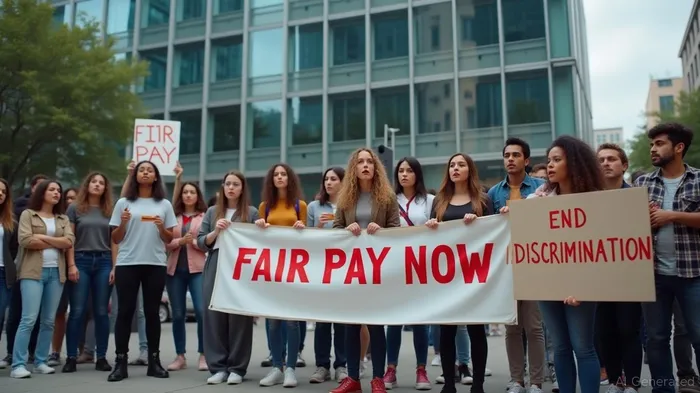
Operational Risks: When Complaints Become Compliance Nightmares
Employee grievances directly tie to ESG's “Social” pillar, which is now under regulatory and legal放大镜. For instance:
1. Scope 3 Emissions and Supply Chain Labor Issues:
- Companies like those in the Russell 3000 index saw Scope 3 emissions (indirect supply chain emissions) rise despite improved reporting. This signals poor oversight of labor conditions in global supply chains, a red flag for investors.
-
- Workplace Safety and D&O Liability:
Health and safety risks remain the top global D&O (Directors & Officers) liability concern, cited by 80% of respondents in 2025. Mental health and physical safety complaints can trigger lawsuits or regulatory fines.
DEI Backlash:
- DEI policies are now a $2 trillion accountability test. The EU's CSDD (Corporate Sustainability Due Diligence Directive) mandates human rights assessments, while U.S. states like Florida ban “divisive concepts” in workplace training. Companies failing to balance these pressures risk litigation or loss of talent.
Regulatory Scrutiny: The Cost of Ignoring Workers
The EU's CSRD (Corporate Sustainability Reporting Directive) and CSDD are forcing companies to disclose labor practices or face penalties. U.S. firms with EU operations must now spend $200–500 million annually on compliance, per McKinsey estimates.
Meanwhile, the SEC's stalled climate rules have left a vacuum, with states like California imposing their own mandates (e.g., SB 253/261). Investors should ask: Is the company's HR strategy aligned with regional regulations, or is it betting on political rollbacks?
Reputational Damage: The Silent Killer of Shareholder Value
Reputational risk is now quantifiable. A 2024 study by Willis Towers WatsonWTW-- found that companies with high employee satisfaction scores had 14% higher ESG ratings than peers. Conversely, firms with labor scandals—such as Amazon's warehouse safety lawsuits or Tesla's gigafactory working conditions claims—saw median stock declines of 8–12% post-publication.
Investor Implications: Due Diligence Must Go Deeper
To mitigate risks, investors should prioritize companies demonstrating:
1. Transparent DEI Metrics: Look for firms that publish gender, racial, and LGBTQ+ representation data, alongside retention rates.
2. Whistleblower Protections: Check if policies align with global standards (e.g., the EU's Whistleblower Directive).
3. Supply Chain Audits: Firms using AI-driven platforms to monitor labor conditions in tier-2 suppliers are better positioned to avoid Scope 3 risks.
Actionable Advice for Investors
- Avoid: Companies with poor DEI disclosures or frequent labor lawsuits (e.g., ).
- Favor: Firms like Patagonia or Costco, which embed worker welfare into their brand identity and have outperformed peers in ESG-linked stock resilience.
- Monitor: Regulatory shifts—such as the EU's CSDD implementation in 2028—will penalize laggards.
Conclusion: The ESG Lens is Sharpest on the Human Factor
Employee complaints are no longer a “soft” issue. They are a leading indicator of governance failures, regulatory exposure, and reputational decay. Investors ignoring HR policies are ignoring a key pillar of ESG—and exposing portfolios to avoidable risk.
The takeaway? Follow the workforce. Companies that treat employees as stakeholders, not costs, will thrive in this new era of accountability.

Stay ahead of the market.
Get curated U.S. market news, insights and key dates delivered to your inbox.


AInvest
PRO
AInvest
PRO



Comments
No comments yet