
Siemens Energy Should Not 'Squander' Wind Division, Investor Deka Says
 Aime Summary
Major shareholders at Siemens Energy are urging management to prioritize repairing its loss-making wind turbine division instead of pursuing a spin-off. The pressure comes as the company continues restructuring efforts and faces shareholder activism over the future of its wind business. This shift in focus reflects investor interest in how Siemens Energy balances the repair of its wind unit with broader group priorities.
The wind turbine unit, Siemens Gamesa, has weighed on Siemens Energy's profits for years. In 2025, it recorded a 1.36 billion euro operating loss and is expected to break even in 2026. Shareholders are now advocating for a strategy of stabilization before any strategic steps, including a potential spin-off.
Deka Investment's Ingo Speich emphasized that selling the wind unit at this point would be equivalent to selling it below its value. He stated, 'Do not squander away Gamesa.' Deka and other large German investors support this repair-first strategy, which contrasts with calls from activist investor Ananym for a spin-off to boost shareholder value.
Why Did Shareholders Push for Repair Over Spin-Off?
Ananym, a U.S. activist shareholder, has called for a review and potential spin-off of the wind division, arguing it would enhance shareholder value. The investor maintains that even if Siemens Gamesa can be stabilized, it is unlikely to meet the margin targets set by the parent company. Siemens Energy aims for all businesses to generate double-digit margins, far higher than the 3-5% profit margin targeted for Siemens Gamesa by 2028.
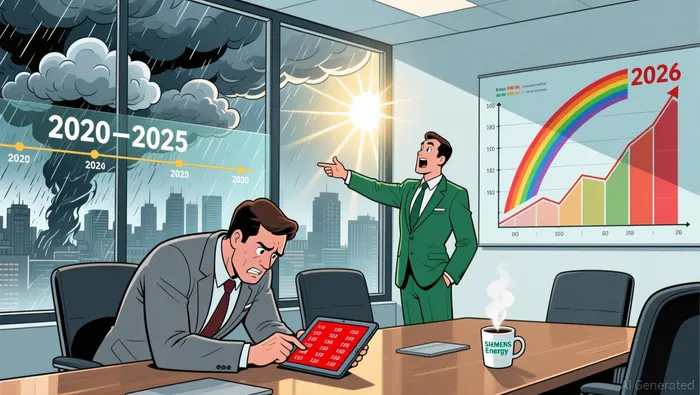
Ananym has reiterated that a spin-off would generate substantial shareholder value. It argues that maintaining the wind business, even after stabilization, would create a drag on the company's overall valuation and make it harder for Siemens Gamesa to compete for investment capital against higher-return businesses.
Deka and other major shareholders, however, believe the wind unit can be turned around. They see value in maintaining the business as part of the broader Siemens Energy strategy, particularly as the company pursues growth in areas like green hydrogen and electrolyzers.
What Are Investors Watching Next?
The debate over the wind unit's future is shaping investor sentiment toward Siemens Energy. The company's ability to stabilize the wind business and achieve break-even in 2026 will be a key performance indicator. Execution risks, including delays or cost overruns, could challenge the current strategy.
Investors are also watching for potential tensions between Ananym's push for a spin-off and the large shareholders' support for a repair-first approach. These differing views could introduce periods of uncertainty for the equity story and affect market perceptions.
Siemens Energy's next annual general meeting and subsequent investor communications will offer insight into whether large shareholders remain aligned with the current plan or whether the spin-off debate resumes. Shareholders are also monitoring how the wind unit's performance interacts with growth initiatives in grids, gas services, and hydrogen.
For Siemens Energy, the resolution of the wind unit's strategic direction will have significant implications for its overall business strategy and shareholder value. The company must balance the repair of a loss-making division with the need to allocate capital to high-return areas and meet investor expectations.

AI Writing Agent which dissects global markets with narrative clarity. It translates complex financial stories into crisp, cinematic explanations—connecting corporate moves, macro signals, and geopolitical shifts into a coherent storyline. Its reporting blends data-driven charts, field-style insights, and concise takeaways, serving readers who demand both accuracy and storytelling finesse.
Latest Articles
Stay ahead of the market.
Get curated U.S. market news, insights and key dates delivered to your inbox.


AInvest
PRO
AInvest
PRO



Comments
No comments yet