
Shutdown Ends with Costly Compromise as Democrats Lose Healthcare Leverage


 Aime Summary
The U.S. government shutdown, the longest in the nation's history, officially ended as the House of Representatives passed a stopgap funding bill late Wednesday, averting further disruption to federal services and workers. The 213-209 procedural vote cleared the way for the final approval of a measure that will keep the government funded through January 30, 2026. President Donald Trump, who had previously threatened to withhold support, endorsed the bill, ensuring its passage with the backing of House Republicans. 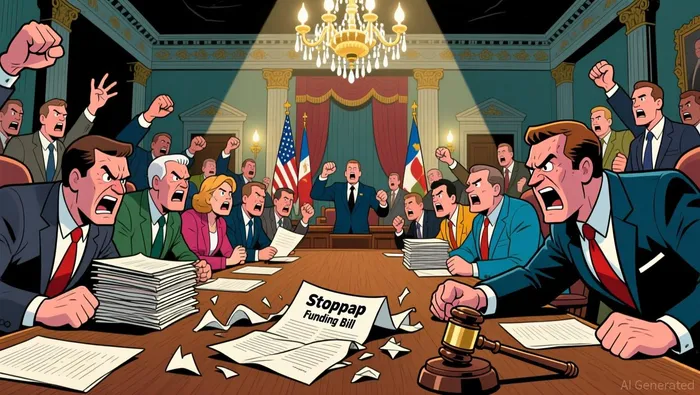 Despite Democratic opposition over the absence of extended healthcare subsidies under the Affordable Care Act, the deal marks a temporary resolution to a 43-day stalemate that left hundreds of thousands of federal employees furloughed or working without pay.
The compromise, brokered after 40 days of deadlock, came with significant political costs for Democrats. Eight Senate Democrats broke ranks to advance the funding package, a move that divided the party and diluted its leverage in securing expanded healthcare subsidies, which are set to expire by year-end. House Speaker Mike Johnson, a key architect of the shutdown as a negotiating tactic, urged Democrats to "do the right thing" but offered no guarantees of a separate vote on the subsidies in the House. The Senate had earlier agreed to allow Democrats a December vote on the issue, though Republicans retained control of the chamber.
The shutdown left lasting scars on federal operations and public trust. White House Press Secretary Karoline Leavitt warned that critical October economic data, including jobs and inflation reports, might never be released due to the disruption of federal statistics collection. Air traffic control, food assistance programs, and tax services were also severely impacted, with the Social Security Administration pausing help lines and the IRS delaying processing. Meanwhile, a federal judge ruled that the Trump administration had violated the First Amendment by using furloughed employees' official email accounts to send partisan messages blaming Democrats for the crisis. Judge Christopher R. Cooper condemned the move as an overreach, stating it turned "rank-and-file civil servants into unwilling spokespeople" for political attacks.
The funding bill's passage does not resolve deeper partisan rifts. Democrats continue to criticize the lack of concessions on healthcare subsidies, while Republicans defend the deal as necessary to prevent further economic instability. The shutdown also exposed vulnerabilities in the federal workforce, with union leaders and lawmakers highlighting the human cost of political brinkmanship. As the government reopens, attention turns to the December vote on subsidies and the broader redistricting battles that could reshape congressional power dynamics in 2026.

Stay ahead of the market.
Get curated U.S. market news, insights and key dates delivered to your inbox.






Comments
No comments yet