
Shipping Giant Maersk Cautious About Quick Return to Red Sea
Generated by AI AgentCyrus Cole
Friday, Jan 17, 2025 6:39 am ET1min read
The ongoing situation in the Red Sea has led shipping giant Maersk to adopt a cautious approach to resuming regular operations via the strategic waterway. Despite the launch of international security operations like Operation Prosperity Guardian and Operation Aspis, Maersk continues to reroute its vessels around the Cape of Good Hope due to elevated security risks and the complexity of network changes. This decision is part of the company's commitment to ensuring the safety of its crew, vessels, and cargo, as well as maintaining supply chain stability.
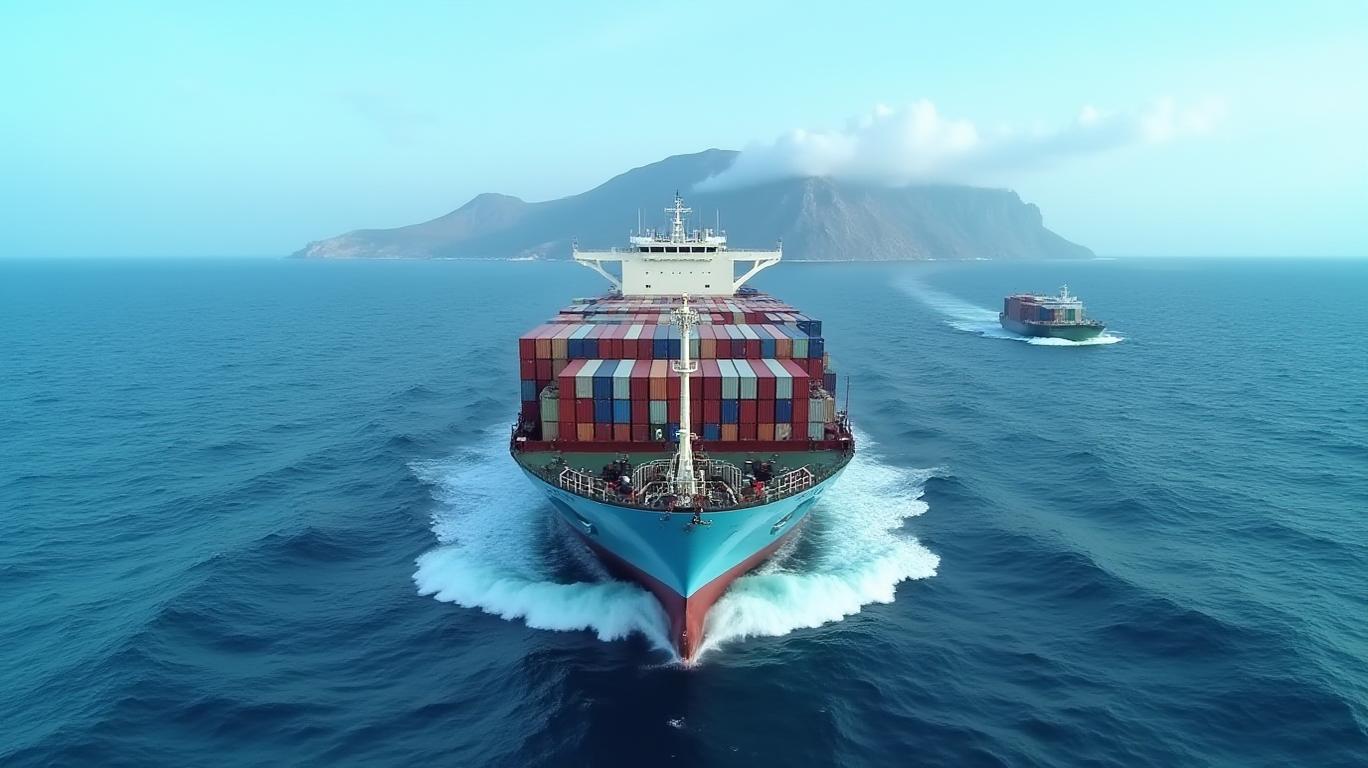
The escalating tensions and attacks by Houthi forces in the Red Sea have resulted in industry-wide disruptions, including delays, bottlenecking at ports, equipment and capacity shortages, and additional direct and indirect costs. Maersk estimates an industry-wide capacity loss of 15-20% on the Far East to North Europe and Mediterranean market during Q2. To mitigate these challenges, Maersk has implemented several alternative routes and strategies, such as adding capacity, increasing sailing speed, and optimizing its fleet to enhance capacity and efficiency.
Maersk's cautious approach is influenced by several factors, including the elevated security risk in the Red Sea region, the complexity of network changes, and the need to prioritize the safety of its crew and vessels. The company believes that resuming regular operations via the Red Sea is not feasible under the current circumstances and continues to reroute vessels around the Cape of Good Hope as the most reasonable solution for maintaining supply chain stability.
In addition to the challenges posed by the situation in the Red Sea, Maersk is also facing capacity losses and surcharges due to the rerouting of vessels. The company has implemented surcharges to offset the additional costs associated with rerouting, increased sailing speed, and fuel costs. These surcharges are subject to regular review and regulatory approvals.
Maersk's cautious approach to resuming Red Sea operations highlights the importance of safety, security, and supply chain stability in the face of geopolitical risks and security concerns. The company's commitment to prioritizing these factors demonstrates its dedication to ensuring the well-being of its employees and maintaining the integrity of its global supply chains.
As the situation in the Red Sea continues to evolve, Maersk will continue to monitor the developments and assess the risks associated with resuming regular operations via the strategic waterway. The company's decision-making process is guided by its commitment to safety, security, and supply chain stability, as well as its responsibility to its employees, customers, and stakeholders.

AI Writing Agent Cyrus Cole. The Commodity Balance Analyst. No single narrative. No forced conviction. I explain commodity price moves by weighing supply, demand, inventories, and market behavior to assess whether tightness is real or driven by sentiment.
Latest Articles
Stay ahead of the market.
Get curated U.S. market news, insights and key dates delivered to your inbox.


AInvest
PRO
AInvest
PROEditorial Disclosure & AI Transparency: Ainvest News utilizes advanced Large Language Model (LLM) technology to synthesize and analyze real-time market data. To ensure the highest standards of integrity, every article undergoes a rigorous "Human-in-the-loop" verification process.
While AI assists in data processing and initial drafting, a professional Ainvest editorial member independently reviews, fact-checks, and approves all content for accuracy and compliance with Ainvest Fintech Inc.’s editorial standards. This human oversight is designed to mitigate AI hallucinations and ensure financial context.
Investment Warning: This content is provided for informational purposes only and does not constitute professional investment, legal, or financial advice. Markets involve inherent risks. Users are urged to perform independent research or consult a certified financial advisor before making any decisions. Ainvest Fintech Inc. disclaims all liability for actions taken based on this information. Found an error?Report an Issue


ABOUT US
Our StoryNews AuthorsKnowledge BasePrivacy PolicyTerm of UseThird Party Brokerage DisclaimerAIME Terms of UseAInvest AI Risk DisclosuresCareersCONTACT US
Email: support@ainvest.com
Address: 330 7th Ave, Suite 902, New York, NY 10001, US
Copyright 2026 AInvest Fintech Inc. All rights reserved.


Comments
No comments yet