
The Shift to Natural Food Colorants: Opportunities in Sustainable Consumer Goods
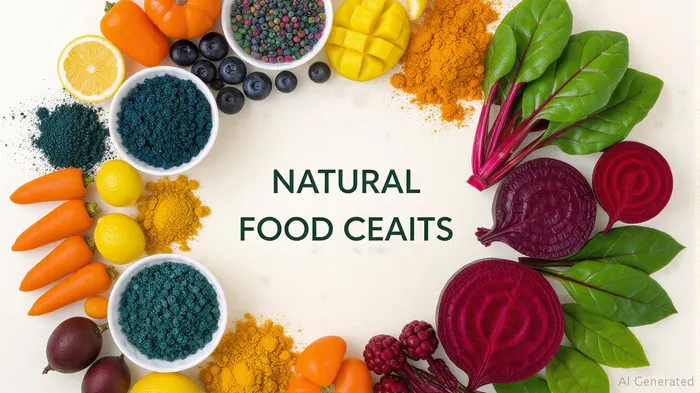
The global food industry is undergoing a profound transformation as consumers, regulators, and corporations alike demand transparency, sustainability, and safety. At the heart of this shift is the growing preference for natural food colorants over synthetic alternatives. This transition, driven by ESG (Environmental, Social, Governance) imperatives and regulatory pressures, presents a compelling investment opportunity in companies that are proactively adapting their supply chains, investing in R&D for plant-based extracts, and forging partnerships with certified agricultural sources.
The Drivers of the Natural Colorants Revolution
The market for natural food colorants is projected to grow at a 7.54% CAGR from 2025 to 2030, reaching $2.92 billion, fueled by three key trends:
1. Clean Label Demand: Over 50% of U.S. consumers actively seek products free of synthetic additives, while Europe's strict regulatory environment (e.g., EFSA bans on synthetic dyes) has made natural alternativesNAII-- a necessity.
2. Health and Safety Concerns: Synthetic dyes like Red No. 40 and Yellow No. 5 face scrutiny over links to hyperactivity in children and allergic reactions. The FDA's 2025 mandate to phase out petroleum-based dyes by 2026 has further accelerated this shift.
3. ESG Imperatives: Investors are prioritizing companies with sustainable supply chains and eco-friendly practices. Natural colorants align with ESG goals, reducing reliance on petrochemicals and minimizing environmental impact.
Investment Opportunities: Where to Look
1. Supply Chain Innovation
Companies that secure stable, ethical raw material supplies are well-positioned to capitalize on this trend. For example:
- Oterra, a leader in spirulina-based blue pigments, recently expanded its blending facility in Kerala, India, to tap into Asia-Pacific's booming demand.
- Kalsec (subsidiary of the Cargill Group) sources non-GMO ingredients like paprika and turmeric, ensuring traceability and sustainability.
Sensient Technologies, a dominant player in natural colorants, has outperformed broader markets by focusing on partnerships with certified agricultural suppliers and vertical integration.
2. R&D in Plant-Based Extracts
Breakthroughs in stabilization technologies and fermentation-based production are addressing historical challenges like color fading and cost inefficiency. Key innovators include:
- Givaudan (GIVN), which launched Amaize orange-red in 2024—a cost-effective, anthocyanin-based solution for acidic beverages.
- Phytolon, a startup using microbial fermentation to produce carotenoids at scale, reducing reliance on seasonal crops.
3. Market Differentiation
Brands adopting natural colorants gain a competitive edge by appealing to health-conscious consumers. For instance:
- Nestlé and General Mills have pledged to eliminate synthetic dyes by 2027, leveraging natural pigments to market products as “clean-label” and “premium.”
- Beverage companies (e.g., functional drinks, plant-based milks) are key growth segments, with nutraceuticals growing at a 9.09% CAGR due to dual health and aesthetic benefits.
Risks and Challenges
While the long-term outlook is promising, investors must navigate risks:
- Regulatory Uncertainty: While most regulations favor natural alternatives, inconsistent state-level bans (e.g., in U.S. school meals) could fragment markets.
- Raw Material Volatility: Crops like spirulina and carotenoid-rich plants are vulnerable to climate shifts and geopolitical disruptions. For example, India's 2024 monsoon delays impacted turmeric yields.
- Cost Premiums: Natural colorants remain 20–30% costlier than synthetics. Companies like Sensient are mitigating this via microencapsulation and AI-driven supply chain optimization.
Long-Term ESG and Market Benefits
Early adopters of natural colorants stand to gain threefold advantages:
1. ESG Alignment: Reduces carbon footprints and chemical waste, enhancing ESG ratings and attracting green investors.
2. Consumer Loyalty: Clean-label products command premium pricing; for instance, natural blue hues in plant-based ice creams command a 15–20% price premium.
3. Regulatory Safety: Companies with robust natural ingredient portfolios avoid the risks of synthetic dye bans or recalls.
Investment Strategies
Stock Picks
- Sensient Technologies (SXT): A global leader with diversified offerings and R&D in encapsulation.
- GNT Group: Specializes in spirulina-based solutions, with a 9.78% CAGR in Asia-Pacific.
- Givaudan (GIVN): Benefits from its portfolio of natural flavors and colors, including FDA-approved innovations like Amaize.
ETFs and Funds
- iShares Global Consumer Staples (KXI): Tracks companies in food and beverages, including natural ingredient suppliers.
- iShares MSCI ACWI Low Carbon Target ETF (CRBN): Focuses on low-carbon, sustainable consumer goods.
Risk Mitigation
- Diversify Suppliers: Invest in firms with geographically dispersed raw material sources (e.g., Oterra's partnerships in India and Sweden).
- Monitor Regulatory Trends: Track FDA and EFSA updates via tools like .
Conclusion
The shift to natural food colorants is not merely a trend—it is a structural transformation driven by consumer demands, regulatory tailwinds, and ESG priorities. Early adopters with robust supply chains, R&D pipelines, and ethical sourcing strategies are poised to dominate this $3 billion+ market. While risks like cost volatility exist, the long-term rewards—premium pricing, regulatory safety, and ESG differentiation—make this sector a compelling play for sustainable investors.
The question isn't whether to invest in natural colorants—it's how to do it strategically. Prioritize companies that are not just following the trend but leading it.
The data tells the story: this is a market that won't just grow—it will redefine consumer goods.

Stay ahead of the market.
Get curated U.S. market news, insights and key dates delivered to your inbox.
AInvest
PRO
AInvest
PRO



Comments
No comments yet