
SHIB Warns of Address Poisoning Scams Targeting Safe Wallet Users
 Aime Summary
The Shiba InuSHIB-- team has issued a warning about a large-scale address poisoning and social engineering campaign targeting Safe Wallet users. Attackers created thousands of lookalike wallet addresses to deceive users into sending funds to the wrong destination according to security reports.
The campaign exploits how cryptocurrency wallets display shortened versions of long addresses with ellipses, making it easy for attackers to create addresses with matching prefixes and suffixes. A recent case saw a crypto user lose $50 million after copying an address from transaction history.
Safe Labs and security teams have flagged approximately 5,000 malicious addresses and are removing them from the Safe Wallet interface to reduce the risk of accidental interaction. Shiba Inu team member Lucie emphasized the importance of verifying full addresses outside the wallet, using address books, and sending testTST-- transactions as security teams warn.
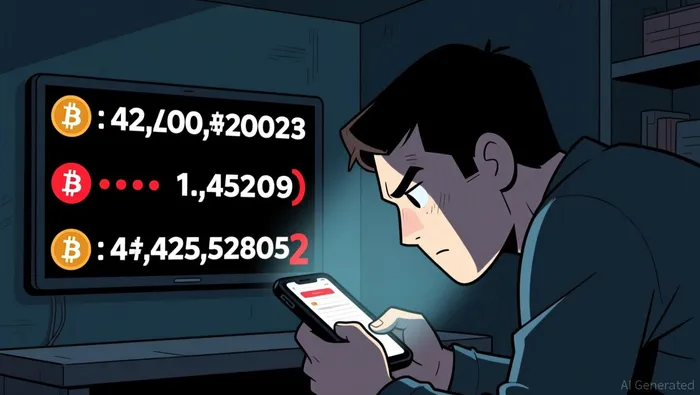
What Is Address Poisoning and How Does It Work?
Address poisoning involves attackers generating vanity addresses that closely resemble legitimate ones. These addresses appear identical when displayed with ellipses, leading users to copy the wrong address during transactions. This type of attack does not exploit technical vulnerabilities in wallets or smart contracts but relies on user behavior and interface design.
The attack typically involves scammers populating a victim's transaction history with a spoofed address after a small test transaction. When the user copies the address from their history, they unknowingly send the remaining funds to the wrong wallet. The recent case involving a $50 million loss demonstrated how quickly scammers can react to test transactions and replace the correct address in the user's history according to security analysis.
What Can Users Do to Protect Themselves?
Lucie and Safe Labs advise users to always verify the full recipient address outside the wallet interface before making any transfers. Users should avoid copying addresses from their transaction history and instead manually input the full address or use an address book or allow list for frequent transactions as recommended by security experts.
In addition, users are encouraged to send small test transactions before making high-value transfers. This allows them to confirm the correct recipient address and identify any potential spoofed addresses. Safe Labs also recommends using multi-factor authentication and other security measures to protect wallet access according to security guidelines.
The recent surge in address poisoning attacks highlights the growing importance of user education and security awareness in the crypto space. As these scams become more sophisticated and widespread, it is crucial for users to remain vigilant and adopt best practices to protect their assets as security researchers note.

Blending traditional trading wisdom with cutting-edge cryptocurrency insights.
Latest Articles
Stay ahead of the market.
Get curated U.S. market news, insights and key dates delivered to your inbox.






Comments
No comments yet