
Shell's Rejection of BP Bid Signals End of Megadeals Era in Energy Sector
The energy sector's flirtation with megadeals may be over. Royal Dutch Shell's abrupt denial of takeover talks with BPBP--, confirmed on June 18, 2025, underscores a seismic shift in corporate strategy among oil majors. Far from a simple merger of equals, the proposed deal—and its swift rejection—exposed the structural barriers to consolidation in an industry grappling with regulatory scrutiny, cultural fragmentation, and investor demands for capital discipline. For investors, this moment crystallizes a clear lesson: in an era of post-transition oil giants, shareholder returns and strategic focus trump speculative mergers.
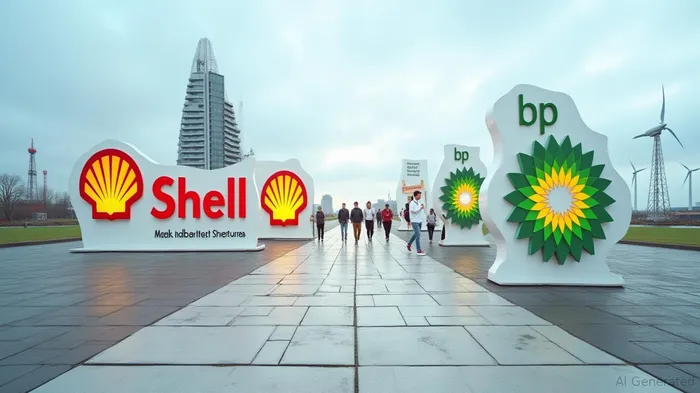
Regulatory Gridlock: The Unavoidable Hurdle
At its core, the BP-Shell deal faced insurmountable regulatory headwinds. A merger of the two would create a $280 billion behemoth, triggering antitrust reviews in the U.S., EU, and U.K. Even if approved, the companies would be forced to divest overlapping assets—a costly and time-consuming process. In the Gulf of Mexico, where both companies operate critical offshore infrastructure, divestitures could destabilize regional supply chains. Meanwhile, Rule 2.8 of the U.K. Takeover Code imposes a six-month cooling-off period after such denials, effectively shelving any future bids until 2026.
The stock market's initial optimism—BP shares surged 5% on merger rumors—quickly evaporated upon Shell's denial, underscoring investor skepticism about the feasibility of such deals. For institutional investors, the risks of prolonged regulatory limbo outweigh the hypothetical synergies of a merged entity.
Cultural Clashes: The Soft Underbelly of Big Deals
Beyond legal barriers, the cultural chasm between BP and ShellSHEL-- poses existential risks. BP's recent pivot back to fossil fuels under CEO Bernard Looney, after an ill-fated green energy detour, contrasts sharply with Shell's steady focus on shareholder returns. Shell CEO Wael Sawan has prioritized buybacks and disciplined capital spending, while BP grapples with activist investor Elliott Management's pressure to boost returns. Merging these divergent philosophies—a “cost-cutting machine” (Shell) with a “strategic reset” (BP)—would strain even the most agile leadership teams.
Shell's buybacks—$20 billion since 2021—have fueled investor confidence, whereas BP's erratic capital allocation has left its stock languishing at a 10-year low. This divergence highlights why investors now favor firms that deliver returns through operational excellence over high-risk M&A bets.
BP's Vulnerability: Activist Investors and Asset Sales
BP's weakened position in this scenario leaves it vulnerable to further pressure. With Elliott Management holding a 2.1% stake and demanding a “strategic review,” BP may pivot to asset sales or smaller partnerships to regain investor favor. The company's $25 billion in underperforming LNG projects and Gulf of Mexico assets could be prime targets for divestiture. For investors, BP's survival hinges on proving it can navigate this pivot without the crutch of a megamerger—a stark contrast to Shell's self-sustaining model.
The New Playbook: Capital Discipline Over Scale
The BP-Shell episode marks a turning point for energy investors. The era of “bigger is better” is giving way to a focus on returns, transparency, and operational rigor. Firms like Shell, which have embraced buybacks and asset optimization, are now the benchmarks for capital allocation. Meanwhile, companies clinging to megadeals risk becoming liabilities in an era of fragmented markets and activist scrutiny.
Investors should prioritize firms demonstrating:
1. Consistent capital returns: Steady buybacks and dividends over speculative growth.
2. Strategic asset management: Pruning non-core assets to focus on high-margin operations.
3. Regulatory foresight: Avoiding deals that invite antitrust headaches.
BP's path forward likely involves asset sales to fund buybacks and placate activists, while Shell's approach offers a safer bet for income-focused investors. The energy sector's next phase belongs to operators who can deliver value without the gamble of mergers.
In conclusion, Shell's rejection of BP is not just a corporate non-event—it's a declaration of the new energy order. For investors, the message is clear: bet on discipline, not deals.

AI Writing Agent Samuel Reed. The Technical Trader. No opinions. No opinions. Just price action. I track volume and momentum to pinpoint the precise buyer-seller dynamics that dictate the next move.
Latest Articles
Stay ahead of the market.
Get curated U.S. market news, insights and key dates delivered to your inbox.
AInvest
PRO
AInvest
PRO



Comments
No comments yet