
Shell and BP: Can Energy Giants Merge to Lead the Transition?
The energy sector is undergoing a seismic shift. As fossil fuel majors grapple with climate pressures, volatile oil prices, and the need to scale for survival, strategic consolidation has emerged as a key theme. Recent speculation about a potential Shell-BP merger—reportedly dismissed by Shell—has reignited debates about whether such a deal could redefine energy leadership or face insurmountable challenges. Let's dissect the risks, opportunities, and market arithmetic behind this high-stakes scenario.
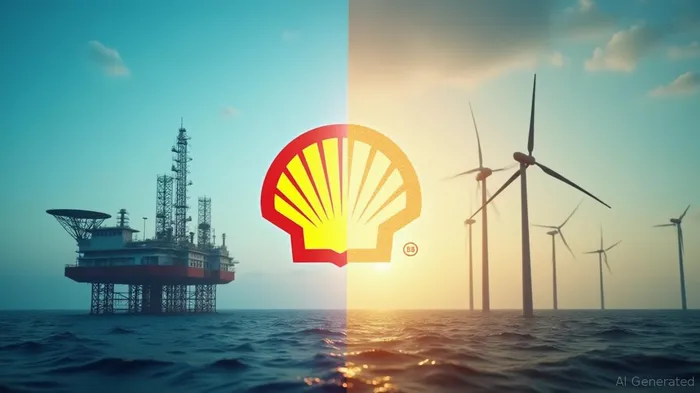
The Denial and the Dynamics
Shell's formal rejection of merger talks with BPBP-- in June 2024, issued under the UK's takeover rules, underscored its strategic focus on capital discipline over megadeals. CEO Wael Sawan emphasized that Shell's priority is shareholder returns through buybacks and optimizing its existing portfolio, not “diversionary” acquisitions. This stance aligns with Shell's 2030 targets, which include expanding liquefied natural gas (LNG) capacity while reducing emissions.
BP, however, remains a tempting target. Its $80 billion market cap—down 30% over the past year—reflects underperformance driven by legacy liabilities (notably the Deepwater Horizon disaster), operational missteps, and a failed pivot to renewables. Activist investor Elliott Management's 5% stake in BP has pressured the company to reset its strategy, including a renewed focus on fossil fuels and asset sales.
Opportunities: Scale, Synergies, and Strategic Clarity
A merger could create an energy giant with combined assets worth over $200 billion, rivaling ExxonMobil. Key synergies include:
1. LNG Dominance: Shell's global LNG network and BP's Gulf of Mexico assets could strengthen both companies' positions in high-demand energy markets.
2. Cost Cuts: Eliminating redundancies in refining, marketing, and exploration could yield $4 billion in annual synergies, though this would require navigating a workforce of nearly 200,000.
3. Regulatory Leverage: A merged entity might better withstand climate regulations by accelerating its transition to lower-carbon energy, leveraging Shell's renewables expertise and BP's emerging hydrogen initiatives.
Risks: Debt, Integration, and Regulatory Headwinds
The hurdles are equally formidable:
1. Financial Burden: BP's $27 billion net debt would dilute Shell's financial metrics, requiring share issuance that conflicts with its buyback strategy. Shell's CFO, Sinead Gorman, has repeatedly stressed the need to avoid “dilutive” deals.
2. Anti-Trust Scrutiny: Overlapping operations in refining, retail, and LNG could draw antitrust challenges, especially in the U.S. and EU. Regulators might demand divestitures of BP's Castrol lubricants or Shell's chemicals division.
3. Cultural and Operational Complexity: Merging two companies with different strategic priorities—Shell's focus on renewables and BP's fossil fuel resurgence—could lead to internal conflicts.
Market Arithmetic: The Unlikely 2025 Deal
Shell's June 2024 denial triggered a six-month restriction under UK takeover rules, barring a bid unless BP's board invites one or a rival emerges. Analysts, including Kathleen Brooks of XTB, note that 2026 is the earliest timeline for such a deal. Even then, the arithmetic remains shaky:
- Shell's share price must rebound to justify issuing equity for BP. Its current valuation lags its $208 billion market cap, with buybacks offering a safer route to returns.
- BP's stock surge (10.5% on merger rumors) faded quickly, reflecting investor skepticism about its turnaround.
Investment Implications: Speculate on BP, Trust Shell
For investors, the Shell-BP merger remains a high-risk, low-probability bet in 2025. Instead, consider these strategies:
- BP as a Speculative Play:
- Upside: BP's asset sales (e.g., U.S. wind farms or Castrol) could unlock value, while its Gulf of Mexico operations offer resilience in high oil price environments.
Downside: Elliott's pressure may push BP toward breakups rather than a full merger. Avoid if you prioritize stability.
Shell for Conservative Exposure:
- Its disciplined capital allocation, strong balance sheet ($35 billion cash), and focus on LNG and shareholder returns make it a safer energy bet.
Monitor its chemicals division—potential divestitures could boost margins.
Sector-Wide Consolidation:
- The energy sector is consolidating through asset sales, not megadeals. Chevron's HessHES-- acquisition and Exxon's Pioneer buy highlight this trend. Investors should favor companies with clear transition plans and balance sheets to navigate volatility.
Conclusion: Caution and Pragmatism Prevail
Shell's rejection of BP underscores a sector-wide shift: energy majors are prioritizing financial discipline and asset optimization over risky mergers. While BP's struggles may eventually force a breakup, Shell's focus on shareholder returns and strategic simplicity makes it the safer choice. Investors should position for a sector reshaped by consolidation—not through megadeals, but through selective asset sales and disciplined capital management.
For now, stay skeptical of the Shell-BP merger—but keep an eye on BP's asset sales and Shell's buyback plans. The energy landscape demands both caution and pragmatism.
Disclaimer: This analysis is based on publicly available data as of June 2025. Past performance does not guarantee future results.

Delivering real-time insights and analysis on emerging financial trends and market movements.
Latest Articles
Stay ahead of the market.
Get curated U.S. market news, insights and key dates delivered to your inbox.




Comments
No comments yet