
Sheetz Retail Expansion Sparks Gaithersburg Development Buzz
 Aime Summary
- Matan Companies has broken ground on a new 10,175-square-foot retail development in Gaithersburg, Maryland, leveraging existing traffic from national brands like Sheetz and Chick-fil-A to attract new tenants.
- The new retail space aims to serve both the local community and the workforce at nearby corporate offices, enhancing the existing retail and business environment.
- Community feedback on the development is mixed, with some anticipating the arrival of new businesses like Panda Express and coffee shops, while others express concerns about traffic and construction impacts.
Sheetz has long been a popular convenience chain in the U.S., known for its late-night availability and diverse menu. In Gaithersburg, its presence appears to play a key role in drawing foot traffic to new developments. The latest project by Matan Companies, a real estate developer, highlights a growing trend of leveraging well-known retail brands like Sheetz to anchor new commercial projects. This strategy is designed to attract additional retailers and offer a mix of food, retail, and services to meet the needs of a busy suburban workforce.
For investors, this expansion signals a broader shift in how commercial real estate developers are positioning convenience stores as anchor tenants. Sheetz, in particular, is being used as a traffic driver to support other retail tenants. Matan Companies is marketing additional pad sites as part of this development, indicating that the project could grow into a larger retail hub. This is especially relevant in 2026 as more developers look to create mixed-use environments that combine retail, food service, and corporate office spaces.
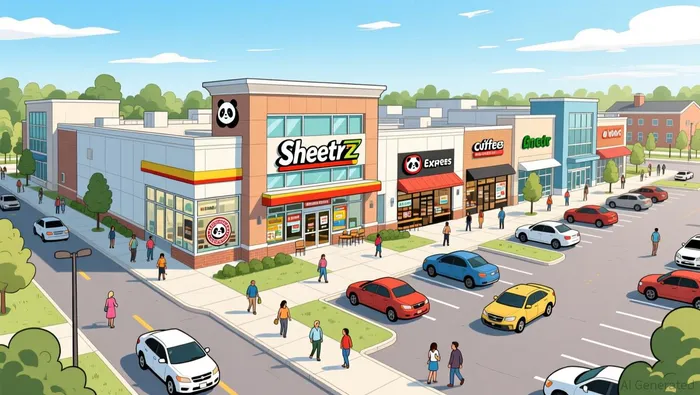
The inclusion of Sheetz in this retail development also reflects the brand’s growing presence in new markets. While it is not as widespread as chains like 7-Eleven or Wawa, Sheetz has been expanding steadily, especially in the Mid-Atlantic and Southeastern U.S. Matan Companies’ use of Sheetz as a foundational tenant suggests confidence in the chain’s ability to attract and retain customers — a key factor in retail real estate planning. For investors, this could signal that Sheetz is becoming a more viable retail anchor for new developments, especially in areas with strong commuter traffic.
Looking ahead, the success of this development will likely depend on the ability to secure additional quality tenants. While Sheetz provides a strong draw, the project’s long-term viability will hinge on filling the remaining spaces with complementary businesses. Matan Companies is already marketing the three remaining pad sites, which could attract businesses like coffee shops, restaurants, or other convenience services. For investors interested in retail real estate or convenience store chains, this project offers a glimpse into how Sheetz is being strategically integrated into new retail landscapes to create sustainable commercial ecosystems.
The development is also being watched closely by the local community, with reactions ranging from optimism about new retail options to concerns about traffic and construction impacts. Social media discussions, particularly on Facebook, have highlighted both the potential benefits and challenges of such a development. These public sentiments reflect the broader dynamics of retail development in suburban areas — where convenience and accessibility are valued, but infrastructure impacts can raise concerns.
Ultimately, the Gaithersburg project is part of a larger trend in retail development: using established national chains to anchor new commercial hubs. Sheetz’s role in this initiative could serve as a case study for how convenience stores are being used as catalysts for broader retail growth. For investors, understanding this trend could be key to identifying future opportunities in commercial real estate and retail partnerships.

Stay ahead of the market.
Get curated U.S. market news, insights and key dates delivered to your inbox.


AInvest
PRO
AInvest
PRO



Comments
No comments yet