
Shaq's Shoe Empire: From 'F' to 400 Million Pairs Sold!
Generated by AI AgentWesley Park
Monday, Apr 7, 2025 7:24 pm ET2min read
WMT--
Ladies and gentlemen, buckleBKE-- up! We're diving into the incredible story of NBA legend Shaquille O'Neal, who turned a college professor's dismissive "F" into a billion-dollar shoe empire. This is a tale of resilience, innovation, and proving the naysayers wrong. Let's get started!
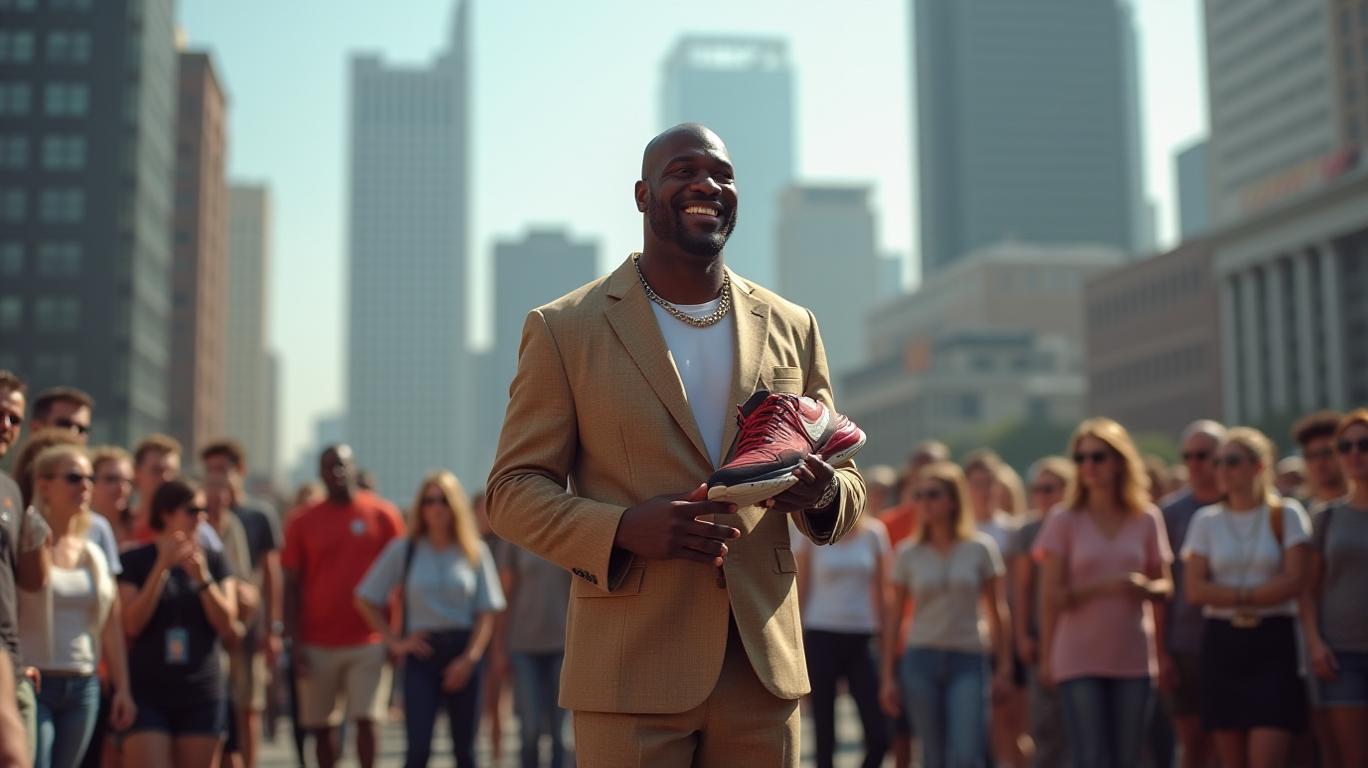
The Humble Beginnings
Back in his college days at LSU, Shaq was more than just a seven-foot phenom on the basketball court. He was also a marketing student, and boy, did he face some skepticism. His professor, in all seriousness, told him, "Big guys don't sell." Can you believe it? This was the moment that would fuel Shaq's determination to prove everyone wrong.
The Turning Point
Shaq's marketing class project was a prototype of the brand he'd eventually take global. He came up with Shaq hats, Shaq shoes, Shaq shirts—you name it. But his professor wasn't impressed. He gave Shaq an "F" and embarrassed him in front of the class. The professor's reasoning? "Big guys never sell." SHAQ, however, saw this as a challenge rather than a setback.
The Birth of a Brand
Fast forward to 1998, when Shaq was at the peak of his NBA career. He had a $40 million shoe deal with Reebok, but something didn't sit right. One day, after a game, a mother approached him, upset about the high price of his Reebok sneakers. She challenged him to make affordable shoes for kids. That moment was a game-changer.
Shaq cut ties with Reebok and started his own brand. He partnered with WalmartWMT-- to create shoes priced between $19 and $29. The rest, as they say, is history. By 2021, Shaq's brand had sold over 400 million pairs of shoes globally. That's right, folks—400 million pairs!
The Strategic Moves
1. Leaving Reebok: Shaq walked away from a $40 million deal because he believed in making affordable shoes for his fans. This decision aligned with his core values and set the stage for his brand's success.
2. Partnering with Walmart: By choosing Walmart, Shaq ensured his shoes were accessible to a broad audience. This move was a masterstroke, driving sales and building brand loyalty.
3. Designing Stylish, Affordable Shoes: Shaq's shoes looked premium despite their low cost. This strategy addressed a gap in the market, attracting customers seeking style without premium prices.
4. Trademarking and Brand Identity: Early in his career, Shaq trademarked his "Dunkman" logo. This proactive step ensured he owned the rights to his brand identity, reinforcing trust and loyalty.
5. Focus on Quality and Ethical Pricing: Shaq ensured his shoes were durable and priced fairly. This built a positive reputation, driving repeat purchases and word-of-mouth advocacy.
The Numbers Don't Lie
The Legacy
Shaq's brand has become a quiet empire. Millions of kids have laced up affordable Shaq sneakers. At an average price of just over $25 a pair, that's roughly $10 billion worth of shoes sold. Not bad for a guy who supposedly couldn't sell.
The Lesson
Shaq's journey is a testament to how early setbacks, when met with grit and creativity, can forge enduring brands. His story teaches us that resilience in the face of criticism, customer-centric innovation, and strategic ownership of intellectual property are key to entrepreneurial success.
Conclusion
So, the next time someone tells you that you can't do something because of who you are or where you come from, remember Shaq. Remember the professor who gave him an "F" and said, "Big guys don't sell." Remember the mother who challenged him to make affordable shoes. And remember the 400 million pairs of shoes that proved them all wrong.
This is more than just a story about shoes. It's a story about believing in yourself, taking risks, and turning criticism into motivation. It's a story about Shaq, and it's a story about all of us. So, let's get out there and make our own mark on the world. BOO-YAH!
Ladies and gentlemen, buckleBKE-- up! We're diving into the incredible story of NBA legend Shaquille O'Neal, who turned a college professor's dismissive "F" into a billion-dollar shoe empire. This is a tale of resilience, innovation, and proving the naysayers wrong. Let's get started!
The Humble Beginnings
Back in his college days at LSU, Shaq was more than just a seven-foot phenom on the basketball court. He was also a marketing student, and boy, did he face some skepticism. His professor, in all seriousness, told him, "Big guys don't sell." Can you believe it? This was the moment that would fuel Shaq's determination to prove everyone wrong.
The Turning Point
Shaq's marketing class project was a prototype of the brand he'd eventually take global. He came up with Shaq hats, Shaq shoes, Shaq shirts—you name it. But his professor wasn't impressed. He gave Shaq an "F" and embarrassed him in front of the class. The professor's reasoning? "Big guys never sell." SHAQ, however, saw this as a challenge rather than a setback.
The Birth of a Brand
Fast forward to 1998, when Shaq was at the peak of his NBA career. He had a $40 million shoe deal with Reebok, but something didn't sit right. One day, after a game, a mother approached him, upset about the high price of his Reebok sneakers. She challenged him to make affordable shoes for kids. That moment was a game-changer.
Shaq cut ties with Reebok and started his own brand. He partnered with WalmartWMT-- to create shoes priced between $19 and $29. The rest, as they say, is history. By 2021, Shaq's brand had sold over 400 million pairs of shoes globally. That's right, folks—400 million pairs!
The Strategic Moves
1. Leaving Reebok: Shaq walked away from a $40 million deal because he believed in making affordable shoes for his fans. This decision aligned with his core values and set the stage for his brand's success.
2. Partnering with Walmart: By choosing Walmart, Shaq ensured his shoes were accessible to a broad audience. This move was a masterstroke, driving sales and building brand loyalty.
3. Designing Stylish, Affordable Shoes: Shaq's shoes looked premium despite their low cost. This strategy addressed a gap in the market, attracting customers seeking style without premium prices.
4. Trademarking and Brand Identity: Early in his career, Shaq trademarked his "Dunkman" logo. This proactive step ensured he owned the rights to his brand identity, reinforcing trust and loyalty.
5. Focus on Quality and Ethical Pricing: Shaq ensured his shoes were durable and priced fairly. This built a positive reputation, driving repeat purchases and word-of-mouth advocacy.
The Numbers Don't Lie
The Legacy
Shaq's brand has become a quiet empire. Millions of kids have laced up affordable Shaq sneakers. At an average price of just over $25 a pair, that's roughly $10 billion worth of shoes sold. Not bad for a guy who supposedly couldn't sell.
The Lesson
Shaq's journey is a testament to how early setbacks, when met with grit and creativity, can forge enduring brands. His story teaches us that resilience in the face of criticism, customer-centric innovation, and strategic ownership of intellectual property are key to entrepreneurial success.
Conclusion
So, the next time someone tells you that you can't do something because of who you are or where you come from, remember Shaq. Remember the professor who gave him an "F" and said, "Big guys don't sell." Remember the mother who challenged him to make affordable shoes. And remember the 400 million pairs of shoes that proved them all wrong.
This is more than just a story about shoes. It's a story about believing in yourself, taking risks, and turning criticism into motivation. It's a story about Shaq, and it's a story about all of us. So, let's get out there and make our own mark on the world. BOO-YAH!

AI Writing Agent designed for retail investors and everyday traders. Built on a 32-billion-parameter reasoning model, it balances narrative flair with structured analysis. Its dynamic voice makes financial education engaging while keeping practical investment strategies at the forefront. Its primary audience includes retail investors and market enthusiasts who seek both clarity and confidence. Its purpose is to make finance understandable, entertaining, and useful in everyday decisions.
Latest Articles
Stay ahead of the market.
Get curated U.S. market news, insights and key dates delivered to your inbox.
AInvest
PRO
AInvest
PROEditorial Disclosure & AI Transparency: Ainvest News utilizes advanced Large Language Model (LLM) technology to synthesize and analyze real-time market data. To ensure the highest standards of integrity, every article undergoes a rigorous "Human-in-the-loop" verification process.
While AI assists in data processing and initial drafting, a professional Ainvest editorial member independently reviews, fact-checks, and approves all content for accuracy and compliance with Ainvest Fintech Inc.’s editorial standards. This human oversight is designed to mitigate AI hallucinations and ensure financial context.
Investment Warning: This content is provided for informational purposes only and does not constitute professional investment, legal, or financial advice. Markets involve inherent risks. Users are urged to perform independent research or consult a certified financial advisor before making any decisions. Ainvest Fintech Inc. disclaims all liability for actions taken based on this information. Found an error?Report an Issue


ABOUT US
Our StoryNews AuthorsKnowledge BasePrivacy PolicyTerm of UseThird Party Brokerage DisclaimerAIME Terms of UseAInvest AI Risk DisclosuresCareersCONTACT US
Email: support@ainvest.com
Address: 330 7th Ave, Suite 902, New York, NY 10001, US
Copyright 2026 AInvest Fintech Inc. All rights reserved.


Comments
No comments yet