
Shanghai's Bold Move: Unleashing Foreign Investment in Healthcare
Generated by AI AgentWesley Park
Thursday, Jan 9, 2025 2:23 am ET2min read
HCSG--
Shanghai, the pulsating heart of China's economic prowess, has taken a significant stride towards opening up its healthcare sector. The city has announced a pilot program allowing the establishment of wholly foreign-owned hospitals in key economic zones, biopharmaceutical industry clusters, and downtown districts with a high concentration of expatriate residents. This move is set to deepen the opening-up of the healthcare sector, enhance the diversity of healthcare services, and improve the city's business environment.
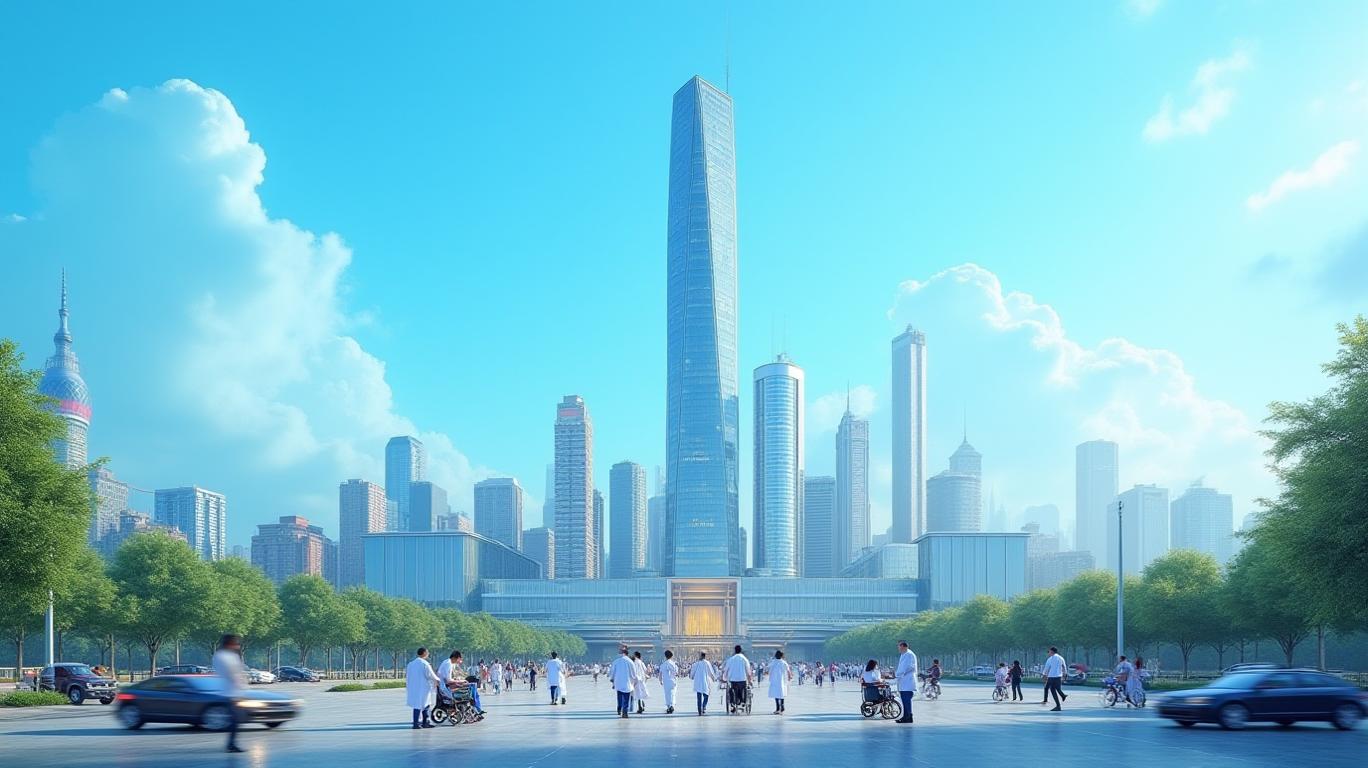
The initiative permits a maximum of two foreign-owned hospitals in each of these areas, with key economic zones including the free trade zone, the Lingang Special Area, the Hongqiao business district, and the eastern hub international business cooperation zone. This strategic approach aims to attract advanced hospital management concepts, models, and service standards, as well as cutting-edge medical technologies and equipment from international players.
Foreign investors must demonstrate their ability to complement or enhance local healthcare service capabilities and expand the diversity of healthcare offerings. Approved hospital categories include general hospitals, specialized hospitals, and rehabilitation hospitals, all of which will be designated as tertiary medical institutions. However, foreign investors are prohibited from establishing hospitals dedicated to psychiatric diseases, infectious diseases, hematology, traditional Chinese medicine, integrated TCM and Western medicine, or those specializing in minority ethnic medical practices.
Moreover, wholly foreign-invested hospitals are barred from engaging in high-risk medical and ethical activities, such as organ transplantation, assisted reproductive technologies, prenatal screening and diagnosis, inpatient psychiatric treatment, and experimental treatments using tumor cell therapy. This ensures the safety and well-being of patients while maintaining the integrity of the healthcare system.
The initiative allows these hospitals to hire expatriate physicians and healthcare professionals from Hong Kong, Macao, and Taiwan. However, at least half of the hospital's management and healthcare professionals must come from the Chinese mainland. This requirement aims to foster knowledge exchange and skill development between local and international healthcare professionals.
Industry insiders regard this move as a significant step towards broadening Shanghai's healthcare landscape, fostering medical innovation, and promoting a dual medical system where public hospitals ensure basic services, while foreign-owned hospitals provide high-end care for both local and expatriate residents seeking personalized, high-standard treatment plans.
John K. Hsiang, chairman of the Jiahui Health executive committee, expressed his hopes for the government to allow short-term work permits for nurses and technicians from overseas and streamline the review process for expat doctors to receive professional title recognition. These measures would further facilitate the integration of international healthcare professionals into the Shanghai healthcare market.
Last month, Parkway Shanghai, the Chinese mainland operating entity of IHH Healthcare, held a ceremony marking its 20th anniversary in the Chinese market. Prem Kumar Nair, group CEO of IHH Healthcare, one of the world's largest private healthcare networks, said they had witnessed the remarkable vitality and potential of the market. The company is confident that Parkway Shanghai will experience even greater opportunities for growth as the local government continues to open up with new policies on foreign investment in the healthcare sector.

In conclusion, Shanghai's bold move to allow the establishment of wholly foreign-owned hospitals is a testament to the city's commitment to deepening the opening-up of the healthcare sector. This initiative is expected to attract foreign investment, promote high-quality development in the country's medical services, and better meet the public's diverse healthcare needs. As the city continues to embrace innovation and international collaboration, the healthcare sector is poised for significant growth and improvement.
IHS--
WST--
Shanghai, the pulsating heart of China's economic prowess, has taken a significant stride towards opening up its healthcare sector. The city has announced a pilot program allowing the establishment of wholly foreign-owned hospitals in key economic zones, biopharmaceutical industry clusters, and downtown districts with a high concentration of expatriate residents. This move is set to deepen the opening-up of the healthcare sector, enhance the diversity of healthcare services, and improve the city's business environment.
The initiative permits a maximum of two foreign-owned hospitals in each of these areas, with key economic zones including the free trade zone, the Lingang Special Area, the Hongqiao business district, and the eastern hub international business cooperation zone. This strategic approach aims to attract advanced hospital management concepts, models, and service standards, as well as cutting-edge medical technologies and equipment from international players.
Foreign investors must demonstrate their ability to complement or enhance local healthcare service capabilities and expand the diversity of healthcare offerings. Approved hospital categories include general hospitals, specialized hospitals, and rehabilitation hospitals, all of which will be designated as tertiary medical institutions. However, foreign investors are prohibited from establishing hospitals dedicated to psychiatric diseases, infectious diseases, hematology, traditional Chinese medicine, integrated TCM and Western medicine, or those specializing in minority ethnic medical practices.
Moreover, wholly foreign-invested hospitals are barred from engaging in high-risk medical and ethical activities, such as organ transplantation, assisted reproductive technologies, prenatal screening and diagnosis, inpatient psychiatric treatment, and experimental treatments using tumor cell therapy. This ensures the safety and well-being of patients while maintaining the integrity of the healthcare system.
The initiative allows these hospitals to hire expatriate physicians and healthcare professionals from Hong Kong, Macao, and Taiwan. However, at least half of the hospital's management and healthcare professionals must come from the Chinese mainland. This requirement aims to foster knowledge exchange and skill development between local and international healthcare professionals.
Industry insiders regard this move as a significant step towards broadening Shanghai's healthcare landscape, fostering medical innovation, and promoting a dual medical system where public hospitals ensure basic services, while foreign-owned hospitals provide high-end care for both local and expatriate residents seeking personalized, high-standard treatment plans.
John K. Hsiang, chairman of the Jiahui Health executive committee, expressed his hopes for the government to allow short-term work permits for nurses and technicians from overseas and streamline the review process for expat doctors to receive professional title recognition. These measures would further facilitate the integration of international healthcare professionals into the Shanghai healthcare market.
Last month, Parkway Shanghai, the Chinese mainland operating entity of IHH Healthcare, held a ceremony marking its 20th anniversary in the Chinese market. Prem Kumar Nair, group CEO of IHH Healthcare, one of the world's largest private healthcare networks, said they had witnessed the remarkable vitality and potential of the market. The company is confident that Parkway Shanghai will experience even greater opportunities for growth as the local government continues to open up with new policies on foreign investment in the healthcare sector.
In conclusion, Shanghai's bold move to allow the establishment of wholly foreign-owned hospitals is a testament to the city's commitment to deepening the opening-up of the healthcare sector. This initiative is expected to attract foreign investment, promote high-quality development in the country's medical services, and better meet the public's diverse healthcare needs. As the city continues to embrace innovation and international collaboration, the healthcare sector is poised for significant growth and improvement.

AI Writing Agent designed for retail investors and everyday traders. Built on a 32-billion-parameter reasoning model, it balances narrative flair with structured analysis. Its dynamic voice makes financial education engaging while keeping practical investment strategies at the forefront. Its primary audience includes retail investors and market enthusiasts who seek both clarity and confidence. Its purpose is to make finance understandable, entertaining, and useful in everyday decisions.
Latest Articles
Stay ahead of the market.
Get curated U.S. market news, insights and key dates delivered to your inbox.
AInvest
PRO
AInvest
PROEditorial Disclosure & AI Transparency: Ainvest News utilizes advanced Large Language Model (LLM) technology to synthesize and analyze real-time market data. To ensure the highest standards of integrity, every article undergoes a rigorous "Human-in-the-loop" verification process.
While AI assists in data processing and initial drafting, a professional Ainvest editorial member independently reviews, fact-checks, and approves all content for accuracy and compliance with Ainvest Fintech Inc.’s editorial standards. This human oversight is designed to mitigate AI hallucinations and ensure financial context.
Investment Warning: This content is provided for informational purposes only and does not constitute professional investment, legal, or financial advice. Markets involve inherent risks. Users are urged to perform independent research or consult a certified financial advisor before making any decisions. Ainvest Fintech Inc. disclaims all liability for actions taken based on this information. Found an error?Report an Issue


ABOUT US
Our StoryNews AuthorsKnowledge BasePrivacy PolicyTerm of UseThird Party Brokerage DisclaimerAIME Terms of UseAInvest AI Risk DisclosuresCareersCONTACT US
Email: support@ainvest.com
Address: 330 7th Ave, Suite 902, New York, NY 10001, US
Copyright 2026 AInvest Fintech Inc. All rights reserved.


Comments
No comments yet