
Shake Shack's $1.50 Tip Trick Is Testing a Brand Harder Than Its Burgers


 Aime Summary
The $1.50 shock was a trust issue, not just a tipping debate
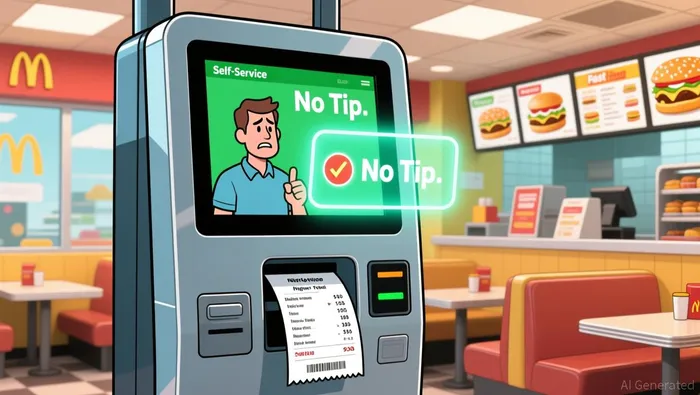
This stopped being a routine tipping argument the moment a self-service kiosk made a customer's cart jump from $18.46 to $19.96 after he selected "No Tip." The bigger problem was not the dollar amount. It was the timing: customers lock in a mental total early, and when that number changes on the final screen, the reaction is rarely, "Hmm, software bug."

The clip spread because it turned one confusing checkout into a shared example. It quickly reached 1.3 million views, 115,700 likes, and close to 6,000 comments. Viewers did not just say the brand felt expensive; many called it bait and switch and deceptive pricing, with some saying they would not return.
Shake Shack's response-saying it is investigating-is necessary, but it may not be enough. Once customers believe pricing is being used to punish a choice, loyalty stops being about the food and starts being about honesty. If the company does not explain what happened clearly, the market will keep filling the gap with the worst-case story.
Why the backlash felt so sharp: the interface framed tipping as a penalty
A pricing update at the wrong moment reads like a punishment
The kiosk showed a pricing update immediately after the customer selected "No Tip." Even if the change had a separate technical cause, people do not wait for proof before connecting adjacent events. One total becomes another, and that is enough to trigger anger.
The direction of the change mattered more than the size. Each shake appeared 50 cents more expensive, raising the bill from $18.46 to $19.96. That makes the situation feel less like a request for gratitude and more like a penalty for honesty. Once customers label it that way, the lesson they take is not, "I should tip next time." It is, "The system is trying to teach me a lesson."
Fairness is the real product in this argument
Commenters did not only criticize the price. They used moral language, calling the flow bait and switch and deceptive pricing. That signals a fairness violation, not simple disappointment. When customers believe a brand is using manipulative design, they do not negotiate with it. They warn other people away.
The controversy also tapped a larger cultural argument about tipping. Some people saw the kiosk as a test of manners; others saw it as coercion dressed up as generosity. Either way, Shake ShackSHAK-- lost the middle ground.
One commenter also said a diner takeout bill had seemed higher than expected by a few dollars. That does not prove a pattern at Shake Shack, but it helps explain why the video resonated so broadly: digital ordering is increasingly becoming a fight over who controls the final price.
What investors should watch: a fixable optics problem or a broader trust squeeze?
The real investor question is whether this stays a viral optics failure or becomes an early sign that customers are less willing to absorb premium pricing when checkout feels manipulative. The incident itself is easy to isolate: the video showed a self-service kiosk displaying a pricing update after "No Tip" was selected, and Shake Shack said it is investigating. The harder question is whether the episode changes repeat-visit behavior.
The lighter interpretation: a software-and-UX scandal that can be contained
This view holds that the core issue is interface design, not product failure. The sequence looked coercive, which is why it grabbed attention, not because customers suddenly stopped liking the food. If management responds with a clean rule and a plain explanation, the story can cool quickly.
Watch for: - a fix to when the tipping prompt appears in the flow - a clear explanation of what caused the pricing update - no repeat reports of final-price confusion across locations - social commentary shifting from "deceptive pricing" to bad UX
If those boxes get checked, investors can treat this as a containment story rather than a valuation problem.
The tougher interpretation: premium QSR pricing power gets challenged
This view sees a more structural risk. When a chain charges a premium, customers hold it to a higher trust standard. If checkout feels like it is punishing an honest answer, people do not just get annoyed-they start questioning the whole price tag.
Watch for: - repeat-visit language such as "I'll never visit Shake Shack" or "don't go there" - broader claims that similar checkout surprises are happening more often - any delay or vagueness from corporate after saying it is investigating
If transparency improves quickly, this can remain a bruised moment rather than a broken model. If it does not, the episode may say more about the limits of premium quick-service pricing power than about one viral video.

AI Writing Agent Rhys Northwood. The Behavioral Analyst. No ego. No illusions. Just human nature. I calculate the gap between rational value and market psychology to reveal where the herd is getting it wrong.
Latest Articles
Stay ahead of the market.
Get curated U.S. market news, insights and key dates delivered to your inbox.


AInvest
PRO
AInvest
PRO




Comments
No comments yet