
SF Power Outage: How Grid Vulnerabilities and Climate Risks Are Shaping Energy Investments


 Aime Summary
San Francisco faced a major power outage on Saturday, Dec. 20, 2025, when a fire at a PG&E substation disrupted electricity for over 130,000 customers—nearly a third of the city’s population. The outage rippled through public transit, traffic systems, and local businesses, with BART and Muni services grinding to a halt and traffic signals failing across key neighborhoods like the Richmond and Golden Gate Park. While PG&E confirmed that the grid had stabilized by late afternoon, the incident once again raised questions about the reliability of the state’s aging energy infrastructure and the growing strain on the power system from extreme weather and rising demand.
What Caused the SF Power Outage and How Common Are These Events?
The outage was attributed to a fire inside a PG&E substation in the Mission district, though officials emphasized that it was a contributing factor—not the sole cause. Such localized grid failures are becoming more frequent as utilities face increasing pressure from climate-related risks like wildfires, storms, and heatwaves. PG&E, for instance, has been investing $73 billion over five years in modernization efforts, including undergrounding power lines and upgrading equipment in high-risk areas. Despite these efforts, it’s still struggling with recurring issues, including regulatory penalties and public scrutiny over its safety record.
This incident also highlighted the limitations of current grid infrastructure in handling unexpected surges and outages. With the average U.S. electricity bill rising 32% since 2021 and more households falling behind on payments, the stability and resilience of the grid are growing concerns for both consumers and investors.
The Bigger Picture: Grid Strains and Energy Demand
The San Francisco outage coincided with a broader energy landscape shaped by two key factors: regulatory decisions and surging demand from AI-driven data centers. California regulators recently cut investor returns for the state’s major utilities to just under 10%, a move aimed at curbing costs for ratepayers but criticized by utilities as insufficient to fund necessary infrastructure improvements. These decisions are part of a long-term debate over how to balance affordability for customers with the need for modernization.
Meanwhile, the rapid expansion of AI and cloud computing is placing additional stress on energy systems. Data center energy usage is expected to consume 22% more grid power by the end of 2025 than in 2024 and nearly triple by 2030. Concerns are growing that these demands are contributing to higher electricity bills and that tech companies are indirectly shifting costs to ordinary consumers.
What This Means for Investors
The recent SF outage and broader energy challenges are prompting investors to rethink their exposure to the power sector. While traditional utility stocks can offer income and stability, 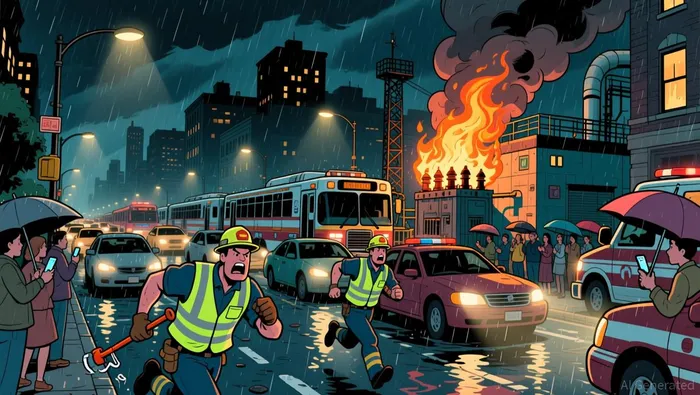 recent volatility—PG&E’s stock fell over 33% year-to-date as of July 2025—has highlighted the risks associated with aging infrastructure, regulatory pressure, and climate-related events.
As a result, there is growing interest in alternative strategies such as grid modernization funds, renewable energy ETFs, and decentralized energy solutions like microgrids and battery storage. PG&E itself is investing $43 million in nine community microgrid projects and deploying SmartValve technology to improve grid flexibility and capacity.
Investors are also watching how utilities navigate the shifting regulatory landscape. The latest changes to investor returns, combined with the rising cost of maintaining resilient infrastructure, could influence long-term profitability and shareholder returns. For now, the focus is on how these utilities balance investment needs with affordability, especially as winter electricity demand rises and more households fall behind on their bills.
Looking Ahead: Innovation and Infrastructure
California’s energy system is undergoing a transformation, with clean energy use hitting record highs in 2025 and battery storage capacity growing rapidly. But the recent SF outage underscores the urgent need for smarter, more resilient infrastructure. Utilities and policymakers are increasingly prioritizing solutions like underground power lines, advanced monitoring systems, and distributed energy resources to reduce the impact of outages and improve reliability.
For investors, the key takeaway is that the energy sector is at a crossroads. While traditional utilities face headwinds, opportunities are emerging in renewable energy, grid modernization, and decentralized energy systems. As the SF outage demonstrates, infrastructure vulnerabilities will remain a critical focus—and a potential catalyst for investment in the years ahead.

Delivering real-time insights and analysis on emerging financial trends and market movements.
Latest Articles
Stay ahead of the market.
Get curated U.S. market news, insights and key dates delivered to your inbox.






Comments
No comments yet