
Severe Weather Threatens 25 Million in US, Prompts Emergency Alerts
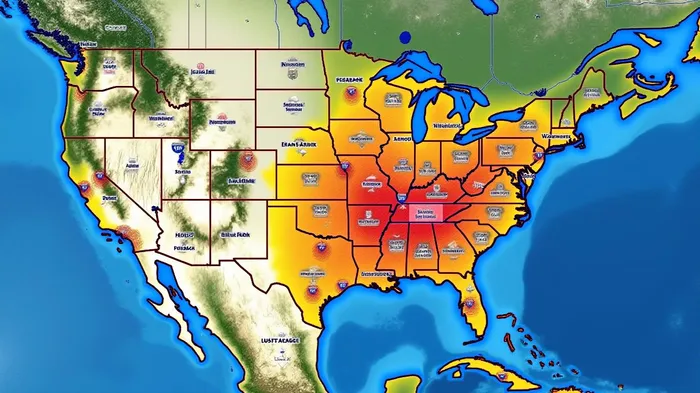
On May 3, local time, over 25 million people across the United States were under threat from severe weather conditions, including destructive strong winds, large hail, and tornadoes. The affected regions spanned from the central to the eastern parts of the country, with particular concern for areas stretching from northern Virginia to New Hampshire. These regions were at high risk for localized tornadoes and flash floods, which posed significant threats to public safety and infrastructure.
The severe weather system, characterized by destructive storms and flash floods, was expected to move eastward throughout the day. Starting from 1 PM Eastern Time, new storms were forecast to spread from Carolina to New York. These storms were anticipated to intensify as they moved eastward from the afternoon into the evening, with some reaching intensities capable of producing destructive gusts, large hail, and even localized tornadoes.
The severe weather conditions prompted authorities to issue warnings and advisories to the affected populations. The potential for destructive winds, large hail, and tornadoes necessitated immediate action to ensure public safety. Residents in the affected areas were advised to stay indoors, secure their properties, and follow the instructions provided by local emergency management agencies. The coordinated efforts of authorities and the public were crucial in mitigating the risks associated with the severe weather.
The impact of the severe weather was not limited to immediate threats but also included the potential for long-term disruptions to daily life and infrastructure. The destructive winds and hail could cause significant damage to buildings, vehicles, and other structures, while tornadoes posed an even greater risk of catastrophic destruction. The flash floods, on the other hand, could lead to roadROAD-- closures, power outages, and other disruptions to essential services.
In response to the severe weather threat, emergency management agencies across the affected regions were on high alert. They worked diligently to monitor the weather conditions, issue timely warnings, and coordinate response efforts. The public was urged to stay informed through official channels and to take necessary precautions to protect themselves and their properties. The collective efforts of authorities and the public were essential in ensuring the safety and well-being of the affected populations during this challenging period.

Stay ahead of the market.
Get curated U.S. market news, insights and key dates delivered to your inbox.


AInvest
PRO
AInvest
PRO



Comments
No comments yet